How to Greet Someone in Different Korean Politeness Levels

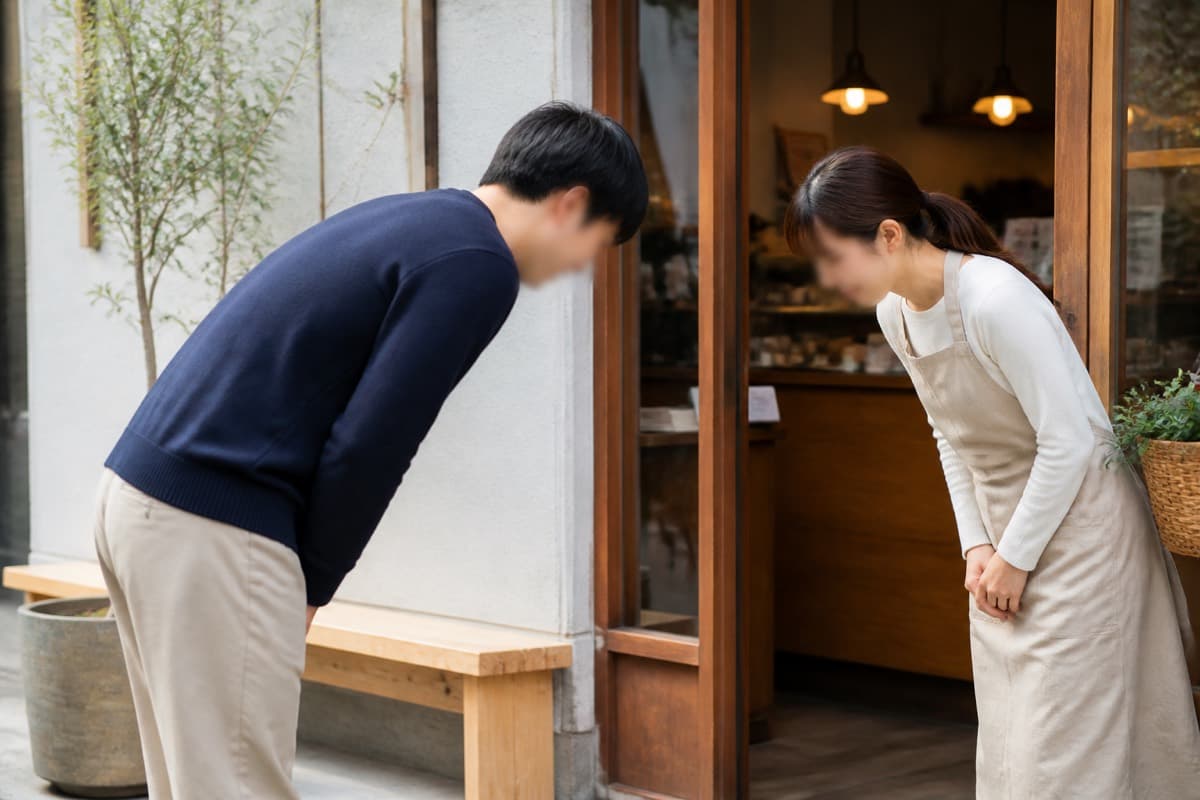
To greet someone in Korean, match the level to the relationship. Use 안녕하세요 (annyeonghaseyo) with most adults you don't know well, casual 안녕 (annyeong) only with close friends, and formal 안녕하십니까 (annyeonghasimnikka) for ceremonies or broadcasts. 해요체 (haeyoche) is the safe default when you're unsure which one fits.
- 안녕하세요. (annyeonghaseyo.) is everyday polite speech, safe with unfamiliar adults.
- 안녕. (annyeong.) is casual — use it only once a friendship already allows casual speech.
- 안녕하십니까. (annyeonghasimnikka.), formal 하십시오체 (hasipsioche), also called 합쇼체 (hapsyoche), fits ceremonies and speeches.
- Being the same age as someone does not automatically make casual speech appropriate.

The three levels a beginner actually needs
Korean has more speech styles than this, but these three cover almost every beginner greeting.
| Speech style | Greeting |
|---|---|
| Casual (해체) | 안녕 (annyeong) |
| Everyday polite (해요체) | 안녕하세요 (annyeonghaseyo) |
| Formal polite (합쇼체) | 안녕하십니까 (annyeonghasimnikka) |
| First meeting (해요체) | 반가워요 (bangawoyo) |
| Parting (해요체) | 안녕히 가세요 (annyeonghi gaseyo) |
해요체 is not a weaker version of 합쇼체 — they're two different registers for different moments, not a ladder based only on age or job title.
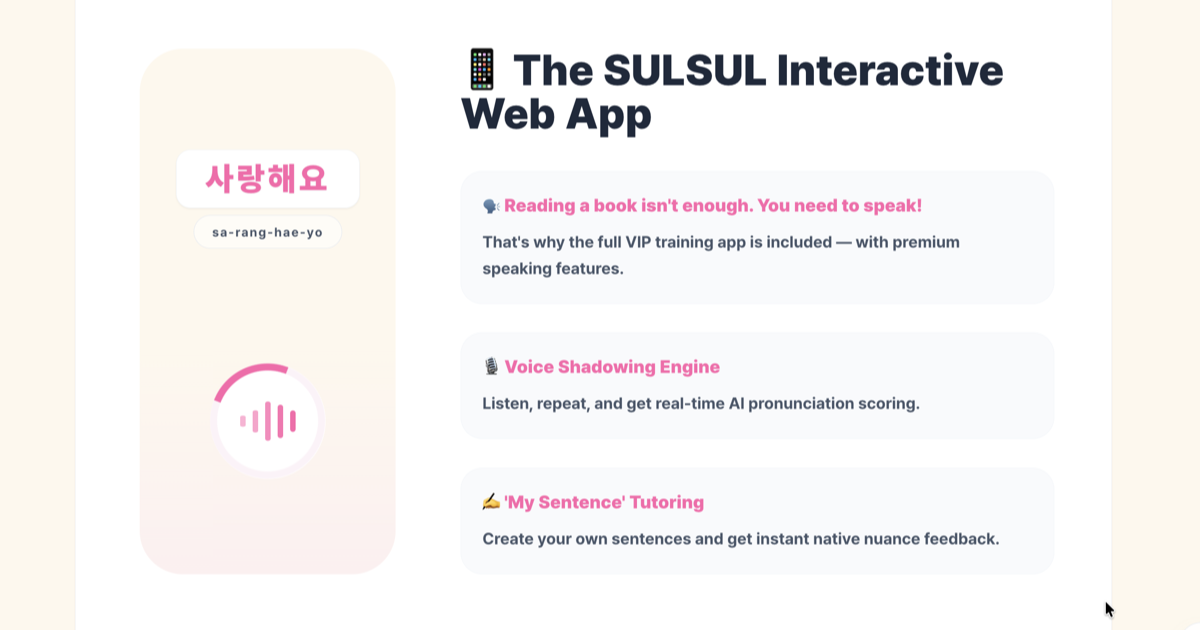
Practice this out loud with SULSUL — the app says it, you repeat it →
Greet someone politely for the first time
For a classmate you just met, a neighbor, or a new coworker, 해요체 is almost always the right call.
You: 안녕하세요. 저는 마야예요. — annyeonghaseyo. jeoneun mayayeyo. — "Hello. I'm Maya."
Them: 반가워요. 저는 지훈이에요. — bangawoyo. jeoneun jihunieyo. — "Nice to meet you. I'm Jihun."
You: 저도 반가워요. — jeodo bangawoyo. — "Nice to meet you too."
For a more formal first meeting, 처음 뵙겠습니다 (cheoeum boepgetseumnida), "It's a pleasure to meet you," lowers the speaker relative to the person being met.
Open a formal event with 하십시오체
합쇼체, more precisely called 하십시오체, has a crisp, public-facing tone. It fits an audience or a representative role, not an ordinary hallway greeting.
You: 안녕하십니까. 오늘 발표를 맡은 리나입니다. — annyeonghasimnikka. oneul balpyoreul mateun rinaimnida. — "Good day. I'm Rina, today's presenter."
Them: 네, 반갑습니다. — ne, bangapseumnida. — "Yes, it's nice to meet you."
Repeating 하십시오체 in a casual office conversation can sound like an announcement. Save it for the moment that's actually formal, then drop back to 해요체 once the event ends.
What usually goes wrong when choosing a level
The most common mistake is switching to 안녕 with someone your own age just because you're close in age — familiarity, not age, grants that permission. The opposite mistake is staying in 하십시오체 all day with a manager who actually speaks 해요체 in ordinary conversation, which can create unnecessary distance.
Watch for 오빠, 언니, 형, and 누나 too: they depend on gender, relative age, and an accepted relationship, so a name or title like 선생님 (seonsaengnim) is safer at first.
Say it out loud, not just in your head
Picking the right level in your head is not the same as producing the whole sentence correctly the instant someone greets you first.
SULSUL is a speaking gym for exactly that moment: pick a survival pattern, say it out loud, get an instant fix from the AI pronunciation coach, then run the real situation as a mission. The 100-pattern PDF workbook comes along as a bonus.