How to Say Good Morning in Korean: 좋은 아침이에요
The word-for-word translation of "good morning" is 좋은 아침이에요 (joeun achimieyo) — literally "it is a good morning" — and it is grammatically perfect. It is also something you will rarely hear a Korean say out loud. Korean does not split its greeting by time of day the way English does. There is no good morning / good afternoon / good evening ladder; there is 안녕하세요 (annyeonghaseyo), and it works at 7am, at lunch, and at 2 in the morning. So the honest answer to "how do I say good morning in Korean" has two parts. To anyone outside your home — a hotel clerk, a coworker, a neighbour in the elevator — you say 안녕하세요. To someone who was asleep under the same roof as you, the real morning greeting is 잘 잤어요? (jal jasseoyo?), "did you sleep well?" That question is what "good morning" actually does in a Korean household.
- Good morning (literal, mostly written) — 좋은 아침이에요 (joeun achimieyo)
- Good morning (what you actually say) — 안녕하세요 (annyeonghaseyo)
- Did you sleep well? — 잘 잤어요? (jal jasseoyo?)
- Did you sleep well? (to an elder) — 잘 주무셨어요? (jal jumusyeosseoyo?)
- You're up? — 일어났어요? (ireonasseoyo?)
- Did you have breakfast? — 아침 먹었어요? (achim meogeosseoyo?)
- Have a good day — 좋은 하루 보내세요 (joeun haru bonaeseyo)
- Good morning! (text message) — 좋은 아침! (joeun achim!)
Why 좋은 아침이에요 sounds translated
좋은 is "good," 아침 is "morning," and 이에요 is "it is." Nothing is wrong with the sentence. The problem is that it was built by translating English into Korean rather than reaching for the phrase a Korean would reach for, and native ears hear that.
Where it does live comfortably is in writing and in performance. Morning radio hosts open with 좋은 아침입니다. Company-wide emails start with it. Some workplaces — often younger teams, often ones with foreign offices — have adopted 좋은 아침입니다 as a deliberate house greeting, in which case use it, because the room has already decided. And in a text message 좋은 아침! with no ending at all is cheerful and completely normal.
| Say this | Romanization | Where it fits |
|---|---|---|
| 좋은 아침입니다 | joeun achimimnida | email, announcements, broadcast |
| 좋은 아침이에요 | joeun achimieyo | polite but stiff; a greeting card |
| 좋은 아침! | joeun achim! | KakaoTalk, a cheerful shout |
| 굿모닝 | gun-moning | "good morning" in Hangul, between friends |
What it does not fit is the moment it looks like it should: walking up to a stranger at 8am. Say 안녕하세요 there.
Practice this out loud with SULSUL — the app says it, you repeat it →
안녕하세요 does the whole day
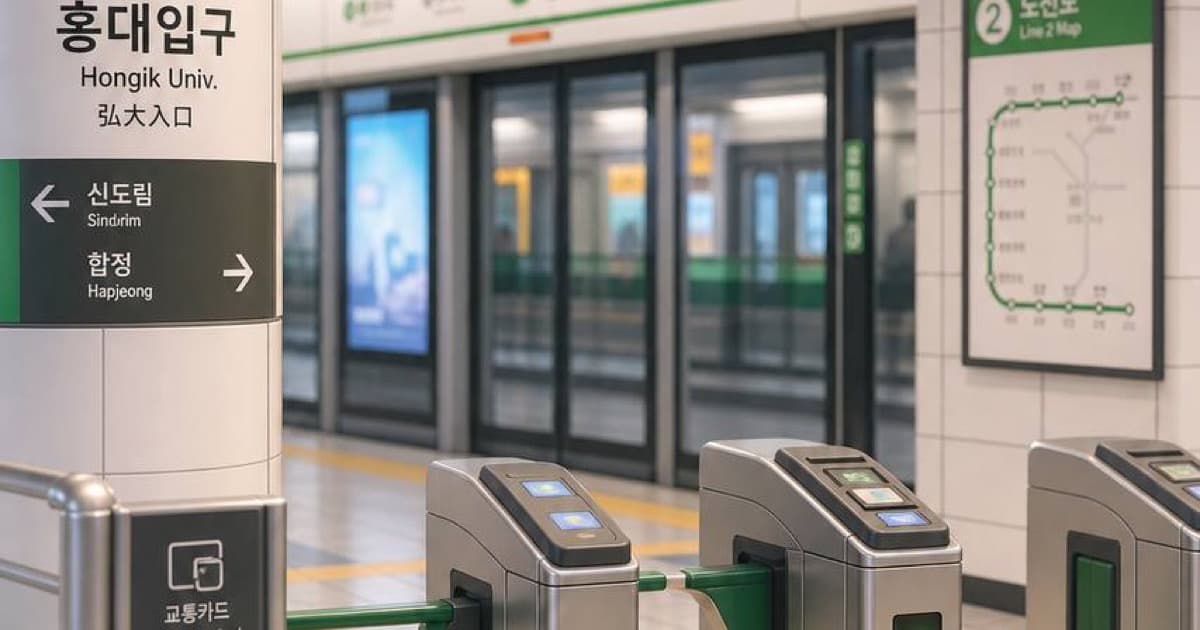
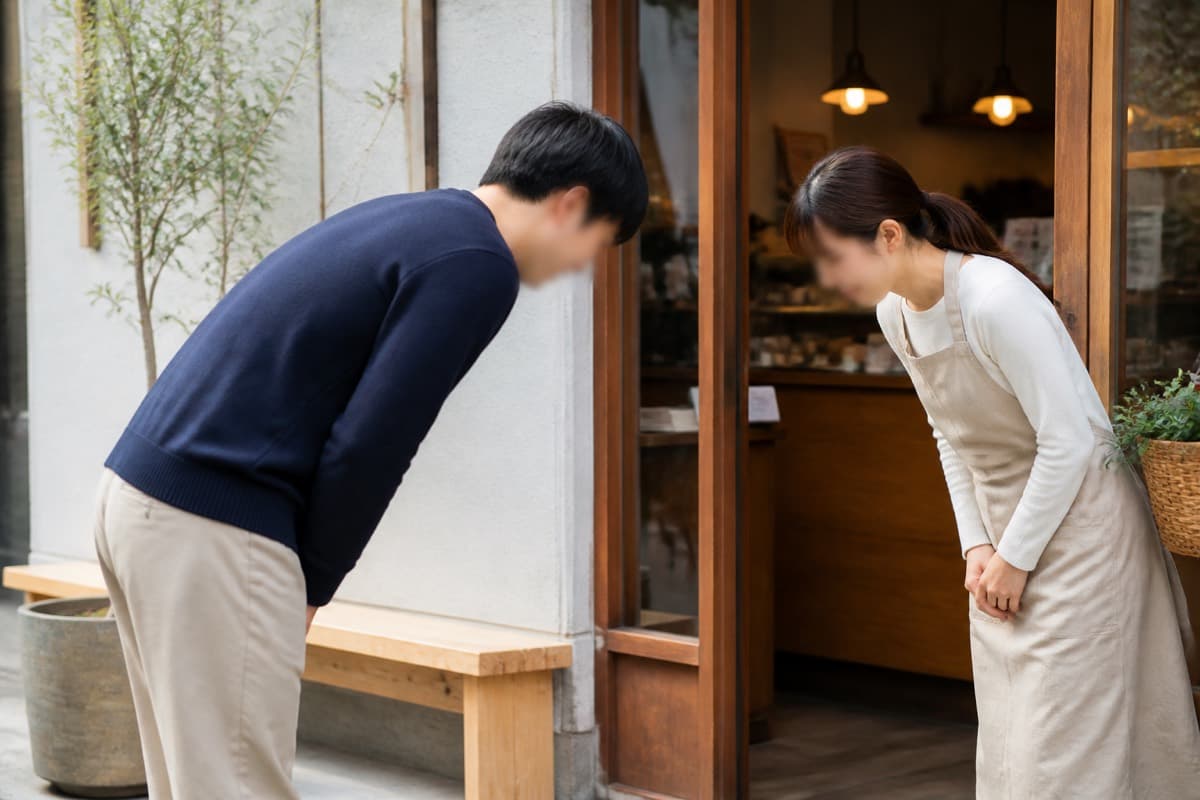
안녕하세요 is not time-stamped. It is built on 안녕 (annyeong), peace or well-being, and it asks whether you are at peace — which is why one phrase covers sunrise to midnight. This is the single greeting you need for the entire morning outside your front door: the front desk, the barista, the security guard, the taxi driver, a coworker arriving at the same time as you.
Which shape of it you use depends on the room. 안녕하십니까 (annyeonghasimnikka) is the formal register — a 9am client meeting, a uniformed job, a presentation. 안녕하세요 is the safe default that never offends anyone. 안녕 on its own is for friends and anyone clearly younger, and using it on someone older is the kind of mistake that lands hard. The full map of that split is in how to greet someone in different Korean politeness levels.
잘 잤어요? — the one families use
Inside a home, 안녕하세요 would be strange; you did not go anywhere. What you say instead is a question about sleep.
잘 잤어요? — jal jasseoyo? — "did you sleep well?" Polite, used with a partner's family, a roommate, a host. 잘 잤어? — jal jasseo? — the casual version, for a partner, a sibling, a close friend. 잘 주무셨어요? — jal jumusyeosseoyo? — for anyone older. 주무시다 is the honorific verb for sleeping, a separate word from 자다, and this is the form your partner's mother or your host grandmother should hear. 안녕히 주무셨어요? — annyeonghi jumusyeosseoyo? — the warmest, most traditional version of the same thing.
The answers are short. 네, 잘 잤어요 (ne, jal jasseoyo), "yes, I slept well." 잘 못 잤어요 (jal mot jasseoyo), "I didn't sleep well." If you are staying in a guesthouse or a homestay, 잘 주무셨어요? to the owner in the morning will do more for you than any amount of textbook grammar.
There is also 일어났어요? (ireonasseoyo?), "you're up?", which sounds blunt written down and is affectionate in practice — it is what a parent says to a teenager who finally emerged.
아침 먹었어요? is a greeting, not a survey
Mornings in Korea come with the food question. 아침 먹었어요? (achim meogeosseoyo?) asks whether you have eaten breakfast, and like its all-day cousin 밥 먹었어요?, it is an expression of care rather than a request for information. To someone older it becomes 아침 식사하셨어요? (achim siksahasyeosseoyo?).
You do not have to describe your breakfast. 네, 먹었어요 or 아직 안 먹었어요 (ajik an meogeosseoyo), "not yet," covers it — with the warning that "not yet" may get you fed, because that is how the greeting works. The same logic runs through how to say how are you in Korean, where the food question stands in for the whole question of how you are.
Two more lines that belong to the morning specifically: 일찍 오셨네요 (iljjik osyeonneyo), "you're here early," a friendly observation for a coworker who beat you in; and 어제 잘 들어갔어요? (eoje jal deureogasseoyo?), "did you get home okay last night?", which is the standard morning-after greeting following any dinner or drinks.
When you really mean "have a good day"
Half the time an English speaker says "good morning," they mean it as a send-off — tossed over a shoulder on the way past. Korean has a precise phrase for that, and it is not a morning greeting at all:
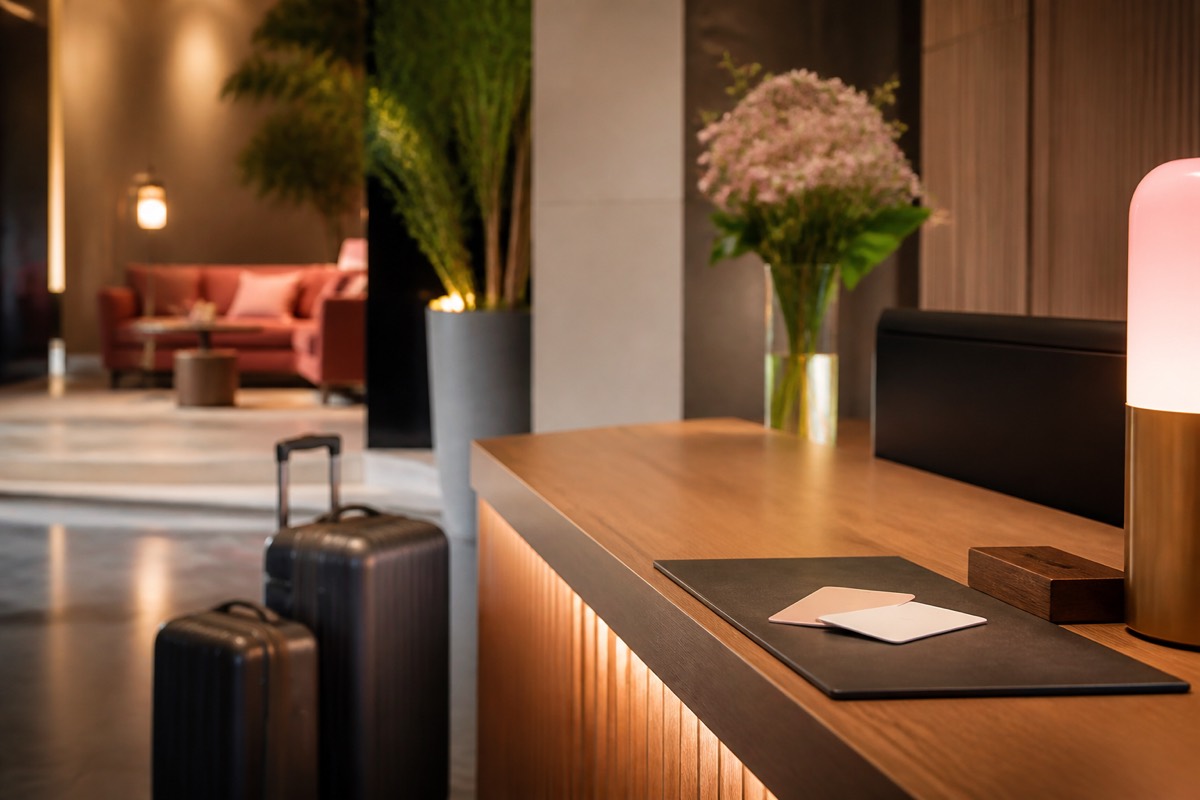
좋은 하루 보내세요 — joeun haru bonaeseyo — "have a good day." Polite, warm, perfect for leaving a hotel lobby or a shop. 좋은 하루 되세요 — joeun haru doeseyo — the same thing, heard constantly from cashiers. 오늘도 화이팅! — oneuldo hwaiting! — "you've got this today too," said to a friend heading into something hard. 수고하세요 — sugohaseyo — "keep up the good work," for staff still working as you leave.
If you are the one leaving rather than the one staying, the going-and-staying split matters, and it is unpacked in how to say goodbye in Korean.
How it actually runs
Checking out of a guesthouse at 8am, owner behind the desk:
You: 안녕하세요! 잘 주무셨어요? — annyeonghaseyo! jal jumusyeosseoyo? — "Good morning! Did you sleep well?" Them: 네, 잘 잤어요. 아침 먹었어요? — ne, jal jasseoyo. achim meogeosseoyo? — "Yes. Have you had breakfast?" You: 아직 안 먹었어요. — ajik an meogeosseoyo. — "Not yet." Them: 그럼 이거 드세요. — geureom igeo deuseyo. — "Then have this." You: 감사합니다! 좋은 하루 보내세요. — gamsahamnida! joeun haru bonaeseyo. — "Thank you! Have a good day."
Five lines, and you have been handed breakfast. Nobody said "good morning" once.
What goes wrong
Leading with 좋은 아침이에요 to a stranger. It is correct and it marks you instantly as someone translating from English. 안녕하세요 is the move.
Hunting for "good afternoon" and "good evening." They do not exist as separate greetings. 안녕하세요 keeps working. (안녕히 가세요 is a goodbye, not an evening hello — a very common mix-up.)
Using 잘 잤어요? at work. It asks about someone's sleep, which implies you were around for it. A coworker gets 안녕하세요; your roommate gets 잘 잤어요?
Saying 잘 잤어요? to someone's grandmother. The honorific verb is not optional here. 잘 주무셨어요? is the version that shows respect, and the gap between the two is audible.
Treating 좋은 하루 보내세요 as a hello. It is a parting line. Said on arrival, it tells the other person you are already leaving. More openers that actually carry a morning conversation are in Korean small talk phrases for total beginners.

Say it before 8am arrives
안녕하세요, 잘 주무셨어요? is easy to read here and still comes out a beat too slow when a guesthouse owner has already greeted you first and is waiting.
SULSUL is a speaking gym built for that gap: pick a pattern, say it out loud, get an instant fix from the AI pronunciation coach, then run the whole morning as a mission. The 100-pattern PDF workbook comes along as a bonus.