How to Say Goodbye in Korean: 가세요 or 계세요

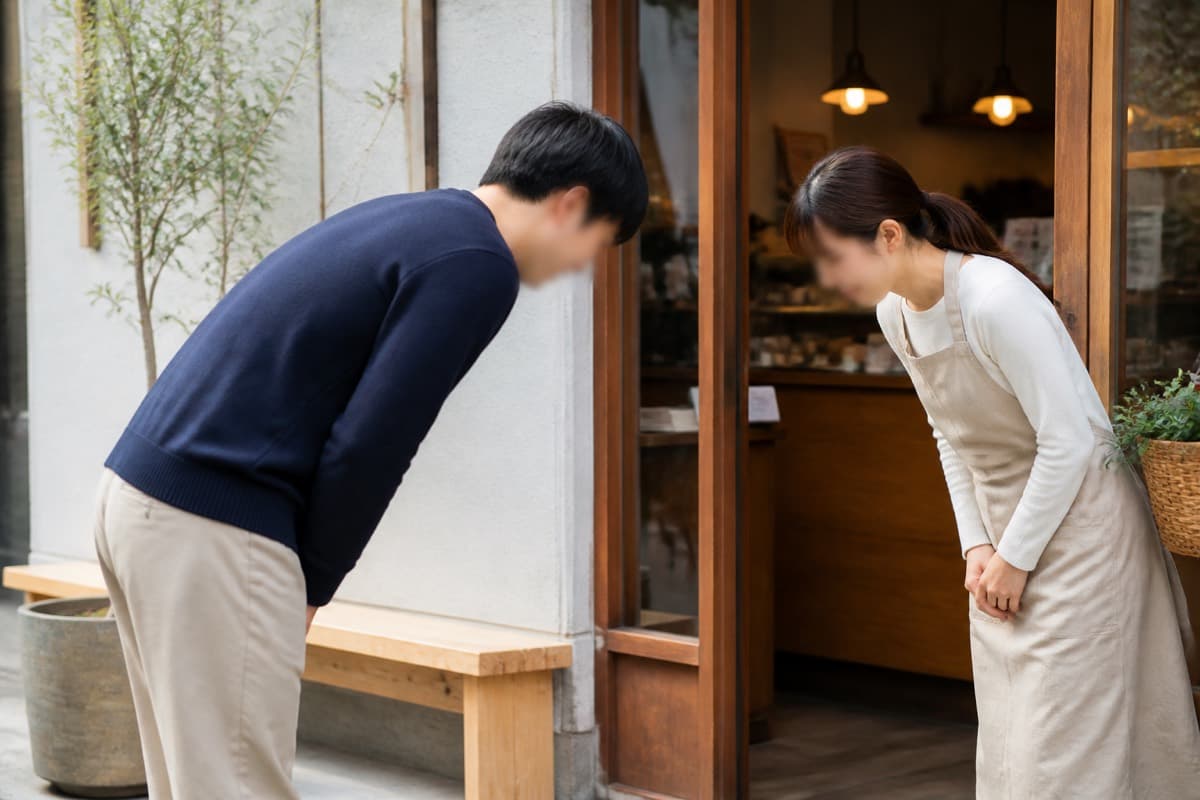
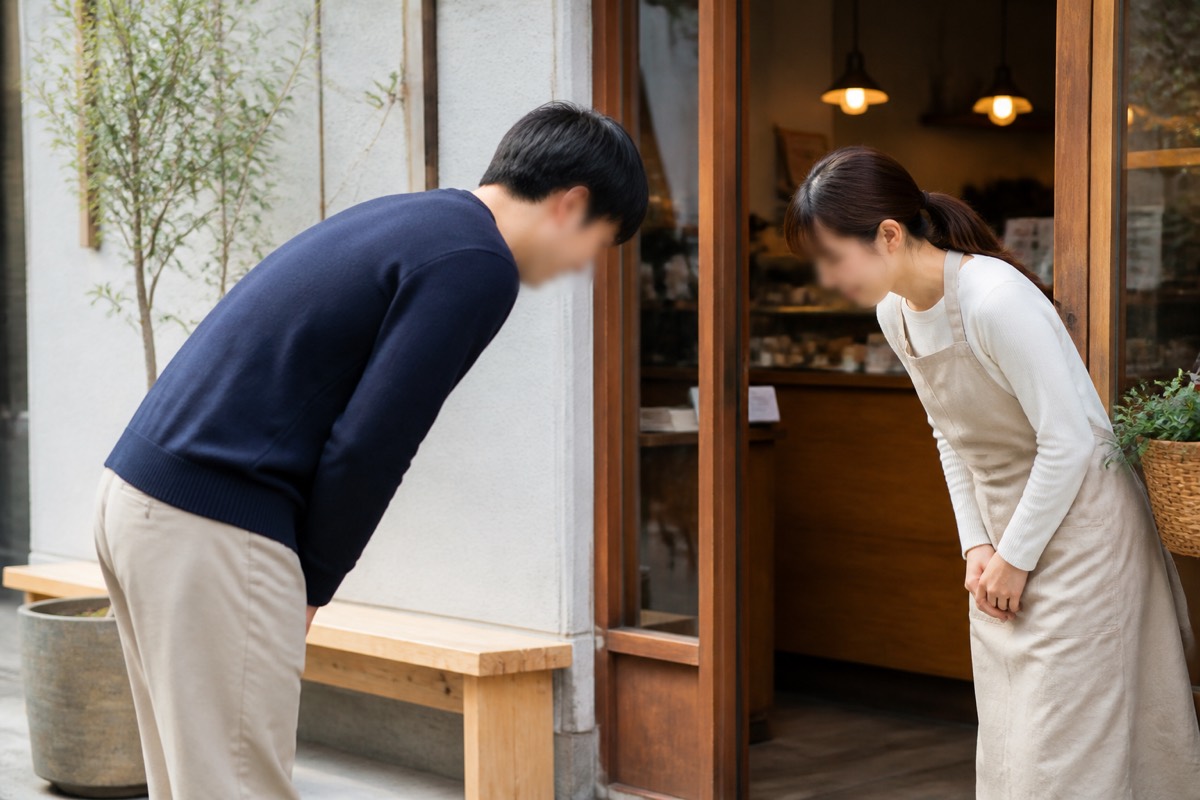
Korean gives you two goodbyes, and you choose between them by asking one question: who is walking away? If the other person is leaving, you say 안녕히 가세요 (annyeonghi gaseyo) — "go in peace." If the other person is staying and you are the one walking out the door, you say 안녕히 계세요 (annyeonghi gyeseyo) — "stay in peace." Both of you leaving in different directions? Then you both say 안녕히 가세요 at the same time. That is the whole rule, and it is the only part of Korean farewells that is genuinely mechanical. Everything after it — the shop counter, the office, the phone — is a choice of warmth, not of grammar.
- They leave, you stay: 안녕히 가세요 (annyeonghi gaseyo)
- You leave, they stay: 안녕히 계세요 (annyeonghi gyeseyo)
- To a friend: 잘 가 (jal ga) / 잘 있어 (jal isseo)
- Walking out of a shop: 수고하세요 (sugohaseyo), "keep up the good work."
- The warm one: 조심히 가세요 (josimhi gaseyo), "get home safely."
가세요 or 계세요 — a two-second check
The two verbs are doing exactly what they look like. 가다 (gada) is "to go," 계시다 (gyesida) is the honorific "to stay / to be somewhere." 안녕히 (annyeonghi) is the adverb "peacefully," and it sits in front of whichever verb matches reality.
| Situation | You say |
|---|---|
| A guest leaves your home | 안녕히 가세요 |
| You leave someone's home | 안녕히 계세요 |
| You leave a shop, the staff stay | 안녕히 계세요 |
| You both walk off in different directions | 안녕히 가세요 (both of you) |
Say the check out loud once — are they going, or am I going? — and the right ending arrives on its own. Mixing them up is not offensive, by the way. It just makes a Korean smile, because telling a shop owner "go in peace" as you step outside sounds like you are shooing them out of their own store.
There is also the shortcut everybody reaches for when the situation is murky: plain 안녕 (annyeong) works for both hello and goodbye, in both directions. It is casual, so keep it for friends and for people clearly younger than you.
Practice this out loud with SULSUL — the app says it, you repeat it →
The casual versions: 잘 가, 잘 있어, 들어가
With friends you drop 안녕히 entirely and use 잘 (jal), "well."
잘 가! — jal ga! — "Go well" → said to the friend leaving. 잘 있어! — jal isseo! — "Stay well" → said to the friend staying.
The most common real-life goodbye between Korean friends, though, is neither of those. It is 들어가 (deureoga), literally "go inside" — meaning go home, get in safely. Politely it becomes 들어가세요 (deureogaseyo), and Koreans use it constantly with colleagues and neighbours because it sounds caring rather than formal.
Friend A: 나 먼저 갈게! — na meonjeo galge! — "I'm heading off first!" Friend B: 어, 조심히 들어가. — eo, josimhi deureoga. — "Okay, get home safely." Friend A: 응, 내일 봐! — eung, naeil bwa! — "Yeah, see you tomorrow!"
먼저 갈게요 (meonjeo gallgeyo), "I'll go first," is the sentence that actually starts a Korean goodbye. You rarely just leave — you announce the leaving, and the other person releases you. The same instinct shapes how people open a conversation, which is laid out in Korean small talk phrases for total beginners.
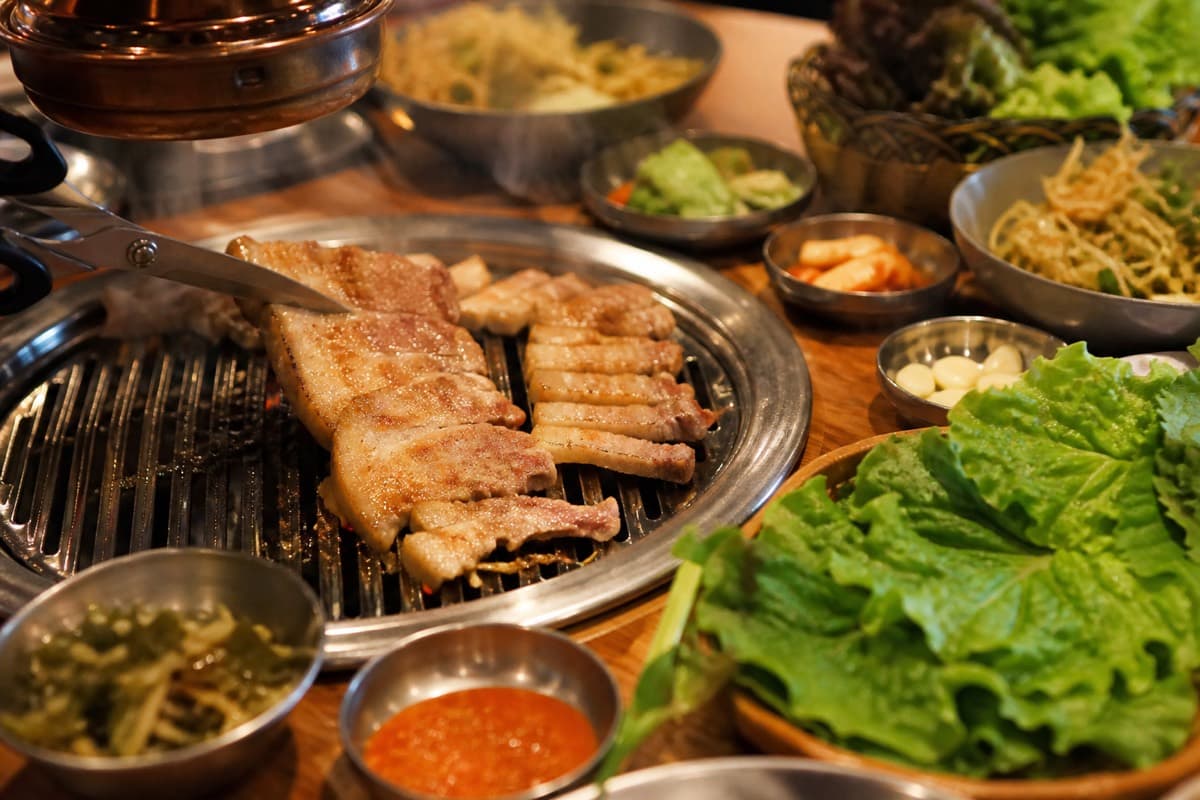
Leaving a shop, café or restaurant
Here is where textbooks and real Seoul diverge. As you walk out of a convenience store or a café, the technically correct line is 안녕히 계세요 — they are staying, you are going. Koreans say it, and it is perfectly fine.
But the warmer, far more common line is 수고하세요 (sugohaseyo): "keep up the good work." You are acknowledging that the person behind the counter is still working while you get to leave. It lands as friendly rather than distant, and it is the single most useful goodbye a visitor can memorise.
You: 잘 먹었습니다. 수고하세요! — jal meogeosseumnida. sugohaseyo! — "Thanks for the meal. Keep up the good work!" Staff: 네, 안녕히 가세요! — ne, annyeonghi gaseyo! — "Yes, goodbye!"
Notice the staff say 가세요 to you and you say 계세요 or 수고하세요 to them. Two different phrases crossing in the doorway, both correct. What to say on the way into that meal, and the line that closes it, are covered in what to say in Korean before and after eating.

Leaving the office: 수고하셨습니다 and the exit line
At work the past-tense version takes over. 수고하셨습니다 (sugohasyeosseumnida), "thank you for your hard work," is how a Korean workday, meeting or class ends. Everyone says it to everyone as they pack up.
One trap: to a boss or someone clearly senior, 수고하셨습니다 can sound like you are grading their effort. The safe upgrade is 고생하셨습니다 (gosaenghasyeosseumnida) — same meaning, no whiff of evaluation.
And because leaving before your seniors still carries weight in many Korean offices, the exit line is an apology-shaped one:
먼저 들어가 보겠습니다. — meonjeo deureoga bogesseumnida. — "I'll be heading home first." 네, 수고하셨습니다. 내일 뵐게요. — ne, sugohasyeosseumnida. naeil boelgeyo. — "Yes, good work today. See you tomorrow."
뵐게요 (boelgeyo) is the humble form of "I'll see you," and it is the polish that makes a work goodbye sound native. The same hierarchy shows up over dinner with colleagues, which is unpacked in Korean phrases for a company dinner in Korea.
Hanging up: why Koreans say 들어가세요 on the phone
Nobody is walking anywhere on a phone call, so 가세요 and 계세요 both feel wrong — and Korean solved it with 들어가세요. On a call it simply means "you can go now," a soft signal that the conversation is complete.
네, 그럼 들어가세요. — ne, geureom deureogaseyo. — "Alright then, goodbye."
In KakaoTalk the goodbye shrinks again: ㅂㅂ (bba, from "bye bye"), 잘 자 (jal ja, "sleep well"), or 낼 봐 (nael bwa, a clipped 내일 봐). Texting has its own compressed grammar, gathered in Korean phrases for KakaoTalk texting.
The goodbyes that sound like you mean it
Three add-ons turn a correct farewell into a warm one.
조심히 가세요 (josimhi gaseyo) — "go carefully." Used at night, in rain, or whenever someone has a long trip home. Softer than 안녕히 가세요, and Koreans reach for it more often.
다음에 밥 한번 같이 먹어요 (da-eume bap hanbeon gachi meogeoyo) — "let's eat together sometime." This is not an invitation and you do not need to check your calendar. It means "I want this to continue," and it is one of the friendliest things you can say while parting.
또 뵙겠습니다 (tto boepgesseumnida) — "I'll see you again." Formal, used after a first meeting or a business visit.
Four mistakes learners make saying goodbye
Using 가세요 when you are the one leaving. The most frequent one, and the easiest to fix: if your feet are moving, it is 계세요.
Saying 안녕히 가세요 to a close friend. It is not wrong, but it puts a wall up. Friends get 잘 가 or 들어가.
Saying 수고하세요 to your boss. Present-tense 수고 aimed upward sounds presumptuous. Use 고생하셨습니다.
Leaving without announcing it. Silently standing up and walking off reads as abrupt in Korean. 먼저 갈게요 or 먼저 들어가 보겠습니다 first, then the goodbye.
Pronunciation-wise, 안녕히 is three light syllables — an-nyeong-hi — with no stress punch in the middle, and the ㅎ almost disappears in fast speech, so you will hear something closer to annyeongi gaseyo. Copy the flattened version; it is what people actually say.
Say it out loud before you need it
먼저 갈게요. 수고하세요! takes one second to read and still tangles the tongue when a real person is holding the door for you.
SULSUL is a speaking gym built for that gap: pick a pattern, say it out loud, get an instant fix from the AI pronunciation coach, then run the whole situation as a mission. The 100-pattern PDF workbook comes along as a bonus.