Korean Phrases for a Company Dinner in Korea
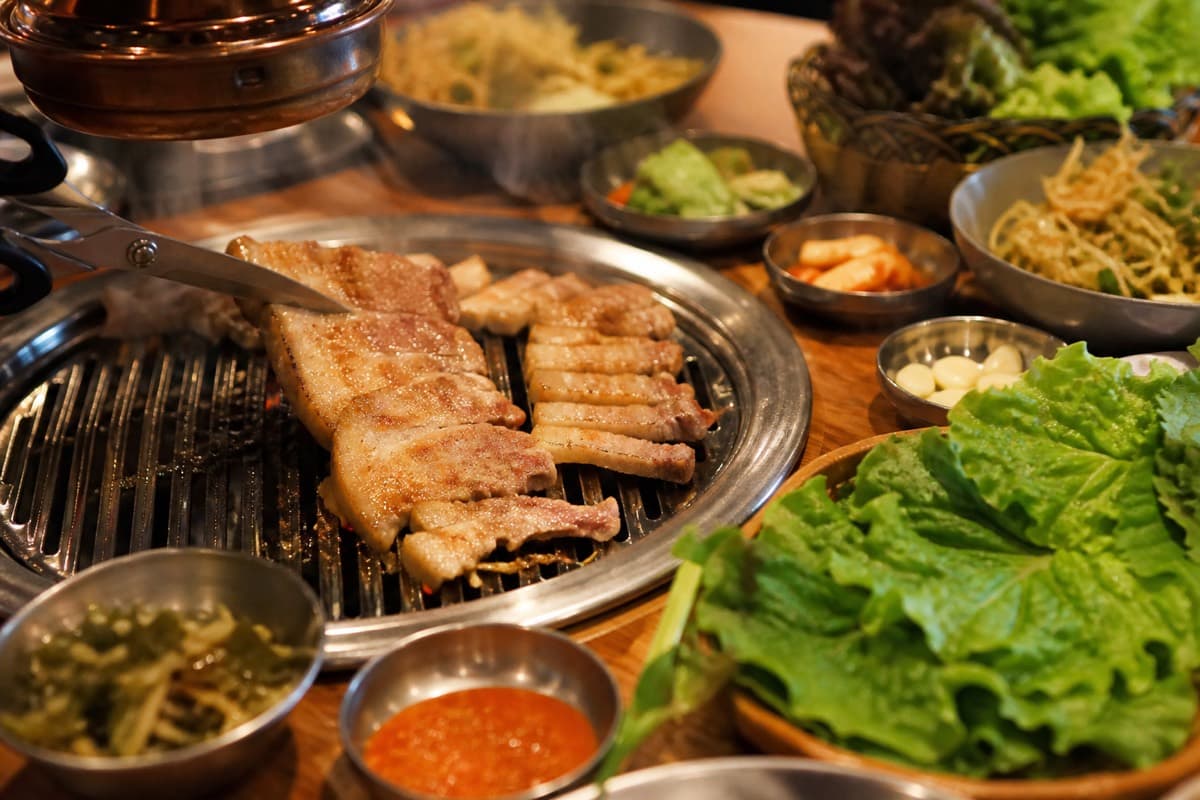
The 회식 (hoesik) is the dinner the whole team goes to after work, and it is where most of the real talking happens — the table is loud, the grill is on, and nobody is speaking the careful Korean you practised. Two patterns from the SULSUL workbook carry you through the evening. Pattern 91 — the encouragement set built on 수고하셨어요 (sugohasyeosseoyo) — is the sentence that opens and closes the whole thing: 수고하셨습니다 (sugohasyeotseumnida), "Good work today." Pattern 07 — 못 (mot) plus a verb — is the one that keeps a glass from being refilled all night: 저는 술을 잘 못 마셔요 (jeoneun sureul jal mot masyeoyo), "I can't really drink."
- Thank the team for the day: 수고하셨습니다 (sugohasyeotseumnida), "Good work today."
- Open the meal: 잘 먹겠습니다 (jal meokgetseumnida), "Thank you for the food."
- Offer to pour: 제가 따라 드릴게요 (jega ttara deurilgeyo), "Let me pour for you."
- Turn down a drink: 저는 술을 잘 못 마셔요 (jeoneun sureul jal mot masyeoyo), "I can't really drink."
- Leave without awkwardness: 먼저 가 보겠습니다 (meonjeo ga bogetseumnida), "I'll head off first."
How does a 회식 actually start?
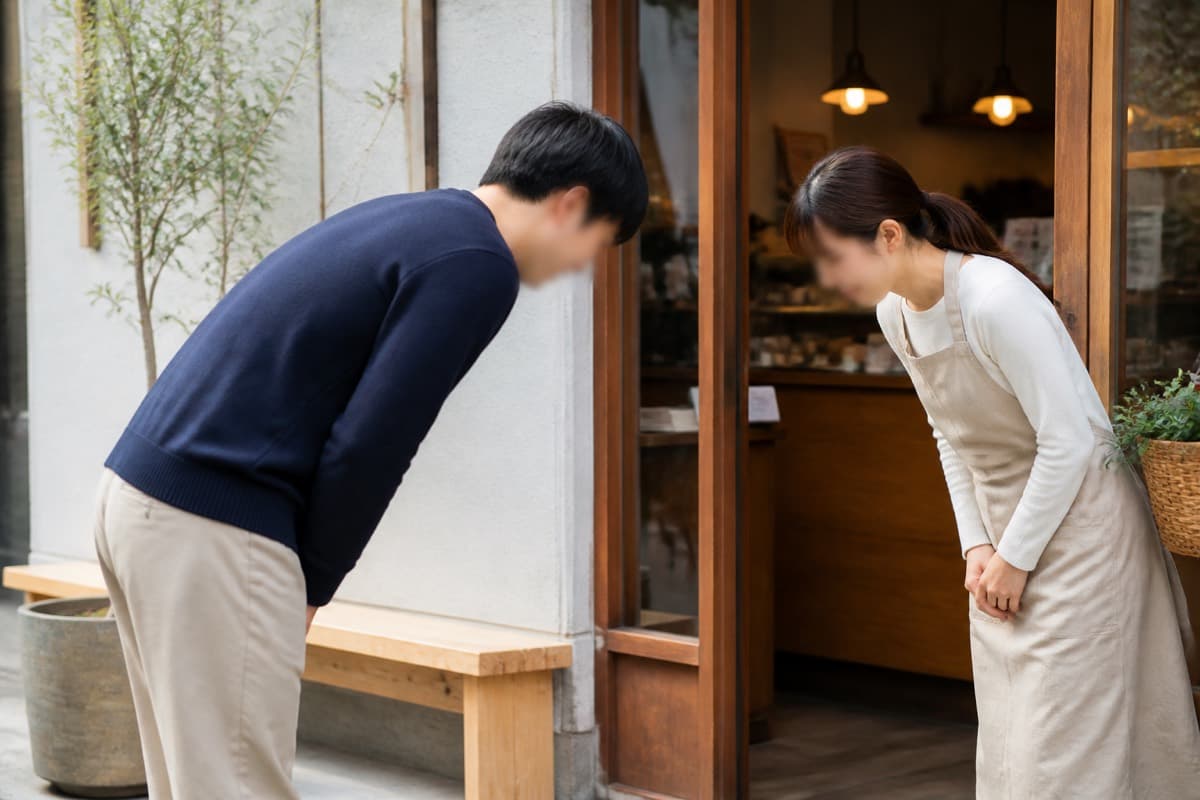
Nobody eats until the glasses are filled, and the filling is done for each other, never for yourself. Reaching for the bottle before someone senior has to is the single easiest way to look like you have done this before.
Them: 자, 다들 잔 채우세요. — ja, dadeul jan chaeuseyo. — "Right, everyone fill your glass."
You: 제가 따라 드릴게요. — jega ttara deurilgeyo. — "Let me pour for you."
Them: 오, 고마워요. 자, 건배! — o, gomawoyo. ja, geonbae! — "Oh, thanks. Right — cheers!"
Two hands on the bottle when you pour for someone older, two hands on the glass when you receive. 건배 (geonbae) is the formal cheers; 짠 (jjan) is the casual one you will hear more often. And before the first bite, 잘 먹겠습니다 (jal meokgetseumnida) — said to whoever is treating — is never wrong. The eating itself runs on the same phrases as any grill table, which Korean phrases for a Korean BBQ restaurant covers in full.
| Situation | Say this |
|---|---|
| Thank the team for the day | 수고하셨습니다 (sugohasyeotseumnida) |
| Open the meal | 잘 먹겠습니다 (jal meokgetseumnida) |
| Offer to pour | 제가 따라 드릴게요 (jega ttara deurilgeyo) |
| Turn down a drink | 저는 술을 잘 못 마셔요 (jeoneun sureul jal mot masyeoyo) |
| Leave without awkwardness | 먼저 가 보겠습니다 (meonjeo ga bogetseumnida) |
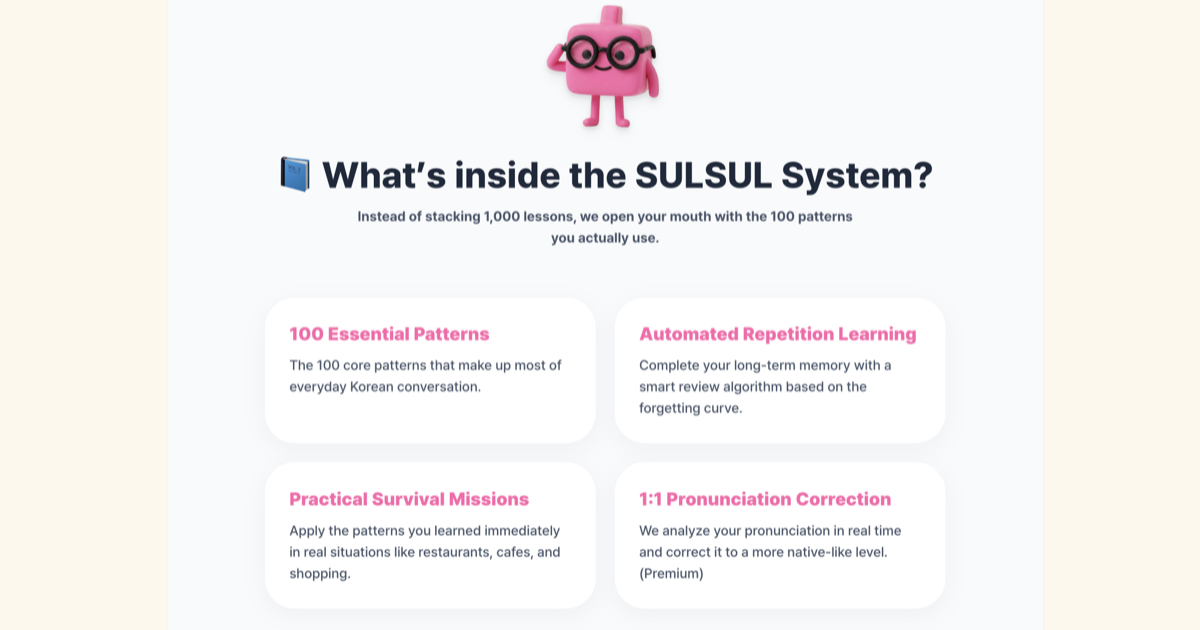
Practice this out loud with SULSUL — the app says it, you repeat it →
How do you say no to a drink without killing the mood?
This is what Pattern 07 is for, and the choice of word does all the work. 안 마셔요 (an masyeoyo) means "I don't drink" — a decision, which invites persuasion. 못 마셔요 (mot masyeoyo) means "I can't" — a fact, which does not.
You: 저는 술을 잘 못 마셔요. — jeoneun sureul jal mot masyeoyo. — "I can't really drink."
Them: 그럼 뭐 마실래요? — geureom mwo masillaeyo? — "What'll you have then?"
You: 사이다 주세요. — saida juseyo. — "A lemon-lime soda, please."
The 잘 (jal) in the middle softens it further — closer to "not much of a drinker" than a flat no. If someone asks again, one reason ends it: 운전해야 돼요 (unjeonhaeya dwaeyo), "I have to drive," or 약 먹고 있어요 (yak meokgo isseoyo), "I'm on medication." Leaving a full glass sitting in front of you also works quietly, because an empty glass is what invites a refill. When someone offers a round with 한 잔 더 하실래요? (han jan deo hasillaeyo?) — that is Pattern 25 — 저는 여기까지 할게요 (jeoneun yeogikkaji halgeyo), "I'll stop here," is the polite full stop.
What usually goes wrong at a 회식?
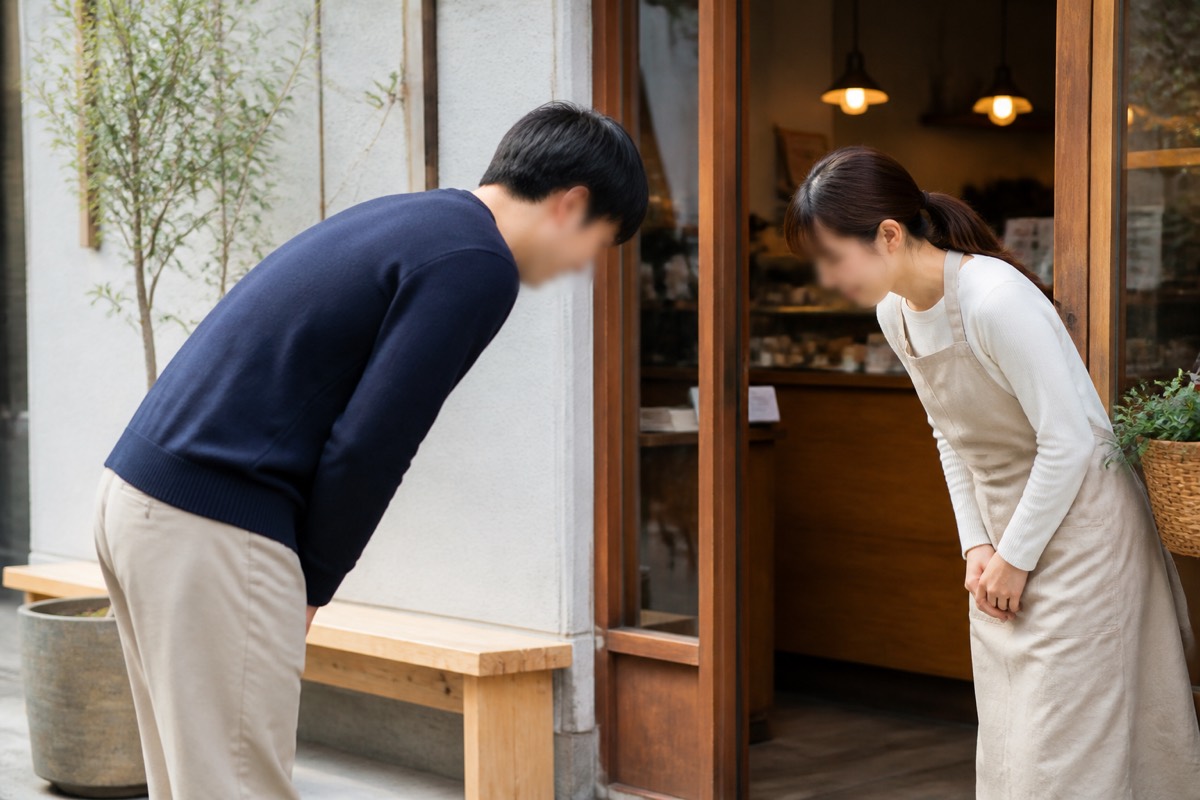
The first thing is leaving silently. Slipping out while everyone is talking reads as walking out on the group, and it is entirely avoidable with one sentence: stand, say 먼저 가 보겠습니다. 수고하셨습니다. — "I'll head off first. Good work today." — and go. Nobody will stop you. Say it to the table, not just to the person next to you.
The second is not knowing that the night has chapters. 1차 (ilcha) is dinner, 2차 (icha) is usually beer or a 노래방 (noraebang, karaoke room), and there can be a 3차 (samcha). You are allowed to go home after any of them, and 먼저 가 보겠습니다 works at every one — see Korean phrases for a noraebang night with friends and Korean phrases for a chimaek night with friends for what gets said at those two. The third is titles: colleagues are addressed by role, not by name alone, and how to address people in Korean and how to greet Koreans across politeness levels are the two to read before Friday. On the way out, 조심히 들어가세요 (josimhi deureogaseyo), "get home safe," is what everyone says to everyone — and then how to ask for a taxi in Korean gets you there.
Say it out loud, not just in your head
저는 술을 잘 못 마셔요 is a sentence you cannot look up mid-sentence — someone is already tilting a bottle over your glass and smiling at you.
SULSUL is a speaking gym for exactly that moment: pick a survival pattern, say it out loud, get an instant fix from the AI pronunciation coach, then run the real situation as a mission. The 100-pattern PDF workbook comes along as a bonus.