Korean Family Titles: How to Address People in Korea

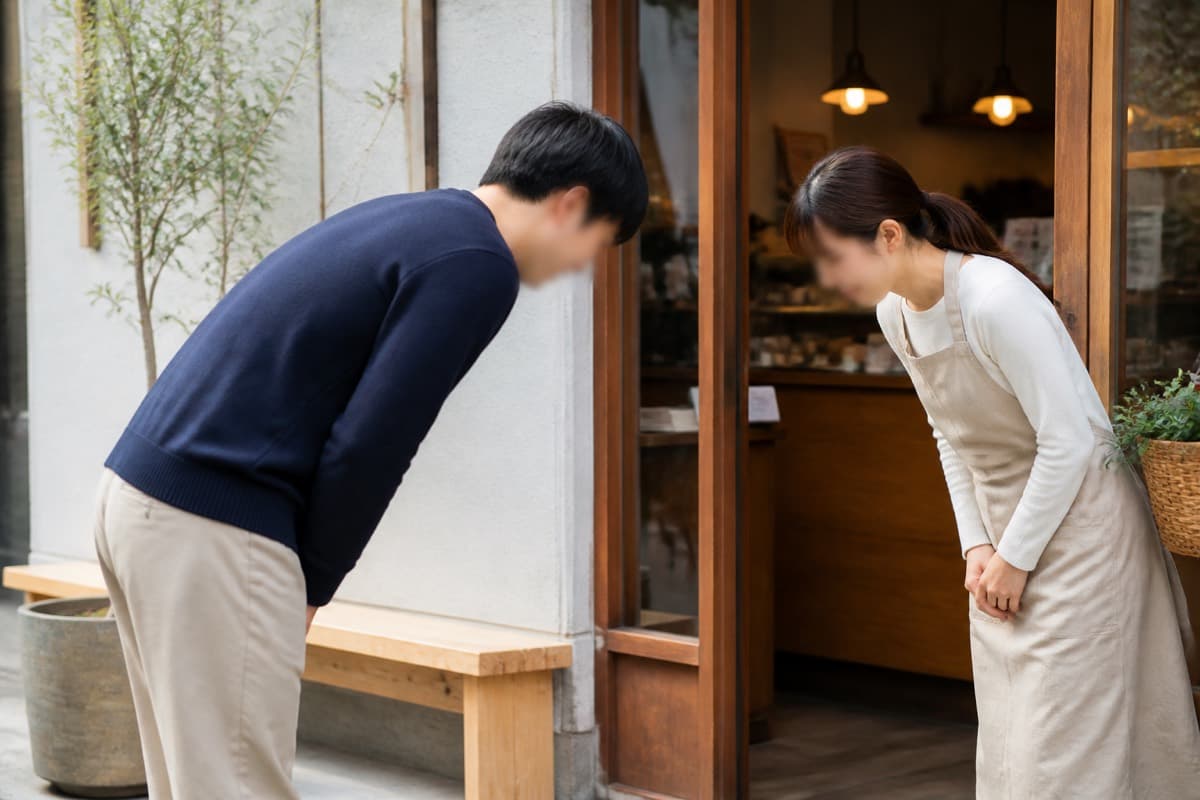
Korean family titles show how close you are, not just blood ties. If you are female and talking to an older male friend, 오빠 (oppa) works naturally. With strangers in a shop or taxi, 사장님 (sajangnim) or 저기요 (jeogiyo) keeps things polite without guessing someone's name.
- Female speaking to an older male friend: 오빠 (oppa), "older brother" used between close friends.
- Female speaking to an older female friend: 언니 (eonni), the same warmth for an older woman you are close to.
- Male speaking to an older male friend: 형 (hyung); to an older female friend: 누나 (noona).
- With strangers in stores or taxis: 사장님 (sajangnim), "boss/owner," or 저기요 (jeogiyo), "excuse me," to get attention.
How do Korean family titles work with friends?
Koreans often use family words with people they are not related to. The title depends on your gender and whether the other person is older or younger than you. Younger people usually get called by name — 동생 (dongsaeng, younger sibling) exists as a word, but you rarely say it to their face.
| Who you are talking to | Title to use |
|---|---|
| Older male (you are female) | 오빠 (oppa) |
| Older female (you are female) | 언니 (eonni) |
| Older male (you are male) | 형 (hyung) |
| Older female (you are male) | 누나 (noona) |
| Stranger in a shop or taxi | 사장님 (sajangnim) |
You: 민수 오빠, 뭐 해요? — Minsu oppa, mwo haeyo? — "Minsu oppa, what are you doing?"
Them: 카페 가려고요. — kape garyeogoyo. — "I'm about to go to a cafe."
You: 저도 같이 갈래요? — jeodo gachi gallaeyo? — "Can I come along too?"
These titles signal warmth. Using them too early with someone you just met can feel pushy — wait until the other person uses casual speech with you first.
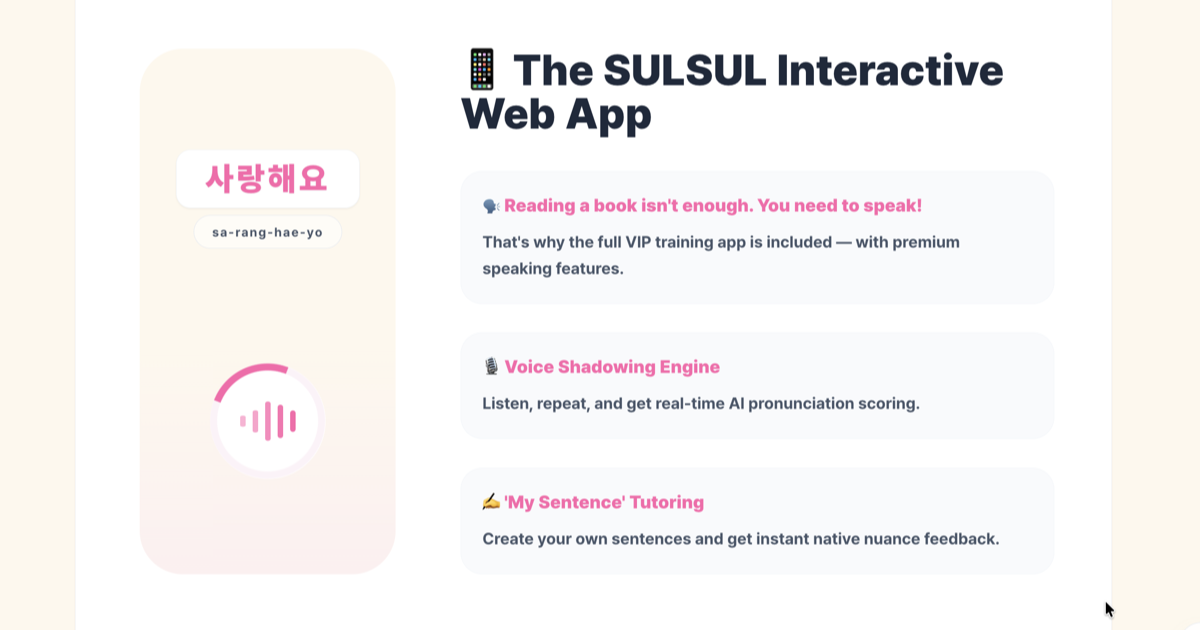
Practice this out loud with SULSUL — the app says it, you repeat it →
What do you say to strangers in shops and taxis?
When you do not know someone's name or age, family titles are risky. 사장님 (sajangnim) is the safest catch-all for shop staff, restaurant owners, and taxi drivers. 저기요 (jeogiyo) gets attention when no title fits — at a busy counter or on a street.
You: 저기요, 주문할게요. — jeogiyo, jumunhalgeyo. — "Excuse me, I'd like to order."
Them: 네, 뭐 드릴까요? — ne, mwo deurilkkayo? — "Yes, what can I get you?"
You: 비빔밥 하나 주세요. — bibimbap hana juseyo. — "One bibimbap, please."
What titles should you never use with strangers?
당신 (dangsin, "you") sounds confrontational when said to someone you do not know well. 너 (neo, casual "you") is only safe with close friends the same age or younger.
What usually goes wrong: learners hear 오빠 in K-dramas and use it with any older Korean man on the street. That reads as overly familiar, not friendly. Save family titles for people who already treat you like a friend. For restaurant lines that pair with 사장님, see Korean phrases for ordering at a restaurant.
Say it out loud, not just in your head
Reading 사장님 on this page is not the same as saying it when a taxi driver glances at you in the rearview mirror.
SULSUL is a speaking gym for exactly that moment: pick a survival pattern, say it out loud, get an instant fix from the AI pronunciation coach, then run the real situation as a mission. The 100-pattern PDF workbook comes along as a bonus.