How to Address Older People in Korean: 어르신, 할머니, 아버님, and the Polite Endings That Go With Them
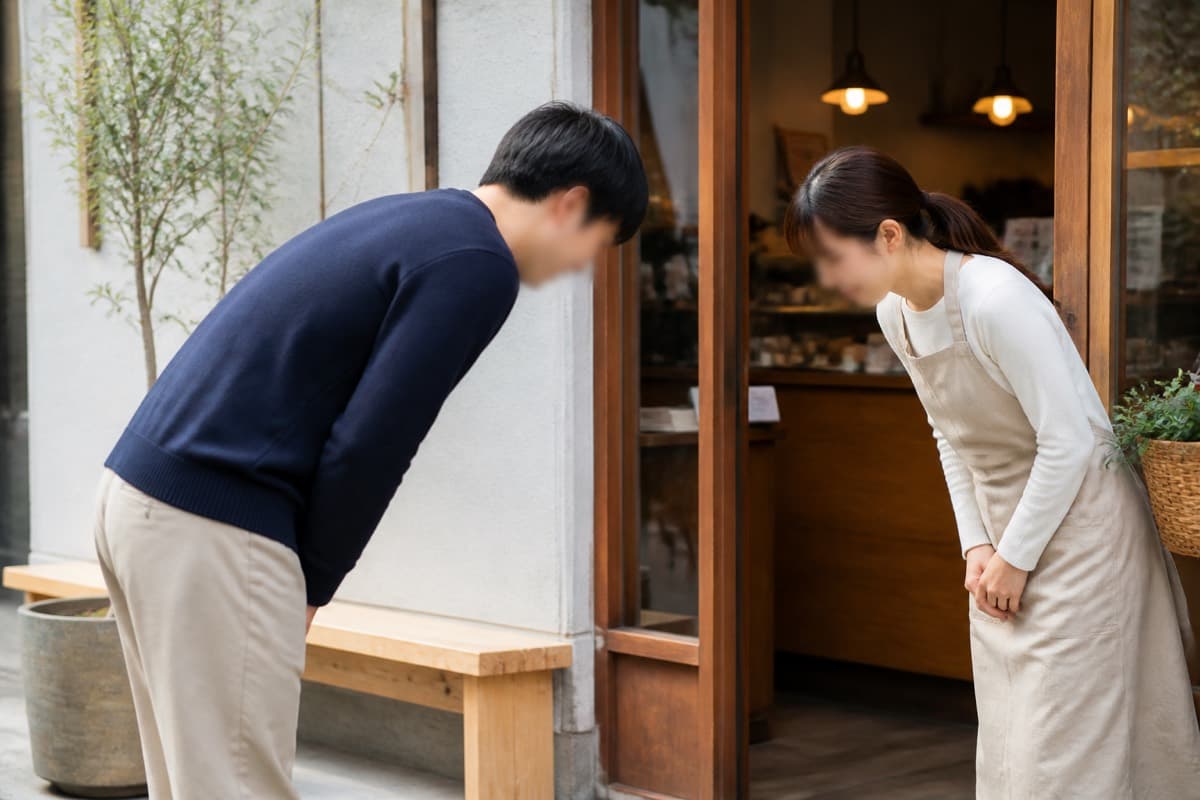
To address an older person in Korean, you use a title, never the word "you." The safe choices are 어르신 (eoreusin, "respected elder") for anyone clearly elderly, 할머니 (halmeoni, "grandmother") and 할아버지 (harabeoji, "grandfather") for people around your grandparents' age, 어머님 (eomeonim) and 아버님 (abeonim), "mother / father," for people around your parents' age, and 선생님 (seonsaengnim) for doctors, teachers, and anyone in a professional role. Then you soften every verb with -(으)세요: 앉으세요 (anjeuseyo, "please sit"), 괜찮으세요? (gwaenchaneuseyo?, "are you all right?"). Pick the title, add the ending, and you will sound respectful even with a beginner's vocabulary.
- 어르신 (eoreusin) — respected elder. Safe for any senior you don't know.
- 할머니 / 할아버지 (halmeoni / harabeoji) — grandma / grandpa. Warm, used for strangers too.
- 어머님 / 아버님 (eomeonim / abeonim) — mother / father. For people your parents' age.
- 선생님 (seonsaengnim) — teacher, doctor, or any respected professional.
- 사장님 (sajangnim) — the owner, at shops and restaurants.
- -(으)세요 — the polite verb ending that shows respect to the listener.
Why Korean has no safe word for "you"
English uses "you" for a child and a grandmother alike. Korean does have words for "you" — 너 (neo), 당신 (dangsin) — but none of them work with an older stranger. 너 is for close friends and younger people. 당신 sounds cold, and in an argument it sounds like a challenge. So Koreans fill that spot with a title, and they repeat it where English would say "you":
- 할머니, 어디 가세요? (halmeoni, eodi gaseyo?) — "Where are you going, ma'am?" (literally "Grandmother, where are you going?")
- 선생님, 이거 먹어도 돼요? (seonsaengnim, igeo meogeodo dwaeyo?) — "Doctor, can I eat this?"
Once you stop looking for a word for "you," Korean politeness gets much easier.
Practice this out loud with SULSUL — the app says it, you repeat it →
Which title fits which person
Age is the main thing you are guessing, and Koreans guess it too. When in doubt, aim a little younger — nobody minds being called 어머님 instead of 할머니.
| Who you're talking to | What to call them |
|---|---|
| A clearly elderly stranger, formal setting | 어르신 (eoreusin) |
| An older woman, grandmother's age | 할머니 (halmeoni) |
| An older man, grandfather's age | 할아버지 (harabeoji) |
| A woman around your parents' age | 어머님 (eomeonim) |
| A man around your parents' age | 아버님 (abeonim) |
| A doctor, teacher, pharmacist, instructor | 선생님 (seonsaengnim) |
| A shop or restaurant owner of any age | 사장님 (sajangnim) |
어르신 is the most respectful and the most neutral — it works for men and women and never guesses wrong about gender. You will hear it from staff at banks, hospitals, and community centers. It sounds a little formal in casual talk, so with a friendly market vendor, 할머니 is warmer.
어머님 / 아버님 are what a polite younger adult uses with a middle-aged stranger, for example at a friend's house, or when helping someone with a heavy bag.
The other half: -(으)세요 on your verbs
A title alone is not enough. If you say 할머니, 앉아 (halmeoni, anja), you have just ordered your grandmother to sit. Korean shows respect inside the verb, and the beginner-friendly way to do it is -(으)세요:
- 앉다 (sit) → 앉으세요 (anjeuseyo) — "Please sit down."
- 가다 (go) → 가세요 (gaseyo) — "Please go / you're going."
- 괜찮다 (be okay) → 괜찮으세요? (gwaenchaneuseyo?) — "Are you all right?"
- 조심하다 (be careful) → 조심하세요 (josimhaseyo) — "Please be careful."
Add -으세요 after a final consonant (앉 → 앉으세요) and -세요 after a vowel (가 → 가세요). The same ending works as a question when your voice goes up, so one form covers both "please do" and "are you doing?"
A few everyday verbs change into a special honorific word. These three come up constantly with older people:
- 먹다 (eat) → 드세요 (deuseyo) — "Please eat / have some."
- 있다 (be somewhere) → 계세요 (gyeseyo) — "Please stay / are you there?"
- 자다 (sleep) → 주무세요 (jumuseyo) — "Please sleep / good night."
Saying 먹으세요 to a grandmother is understood, but 드세요 is what she expects to hear.
Five situations you will actually meet
Giving up your seat on the subway or bus. Seats near the doors are for seniors, and offering one is normal. Stand up and say: 어르신, 여기 앉으세요. (eoreusin, yeogi anjeuseyo) — "Please sit here." If they refuse with 괜찮아요, offer once more; a second refusal is real.
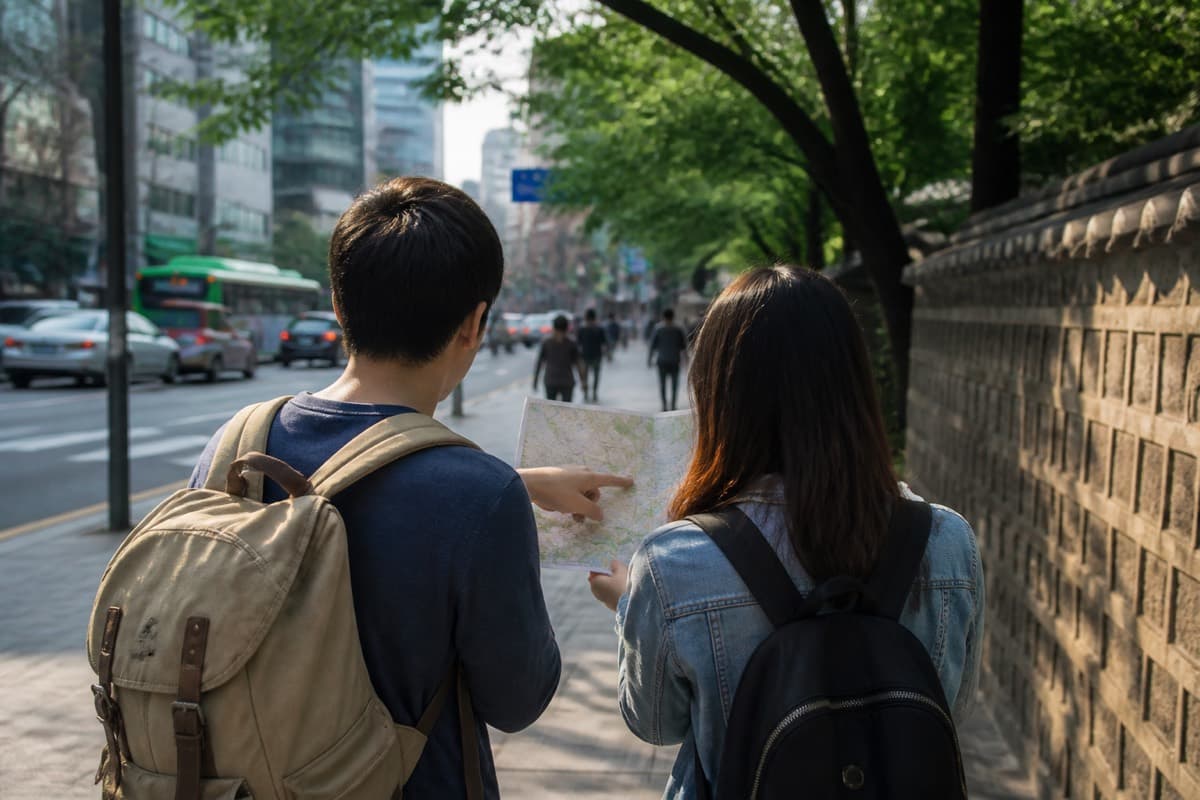
Asking an older person for directions. Start with a softener and the title: 저, 할머니, 혹시 시청역이 어디예요? (jeo, halmeoni, hoksi sicheongyeogi eodiyeyo?) — "Excuse me, grandma, do you know where City Hall Station is?" Finish with 감사합니다 (gamsahamnida), the more formal thank-you.
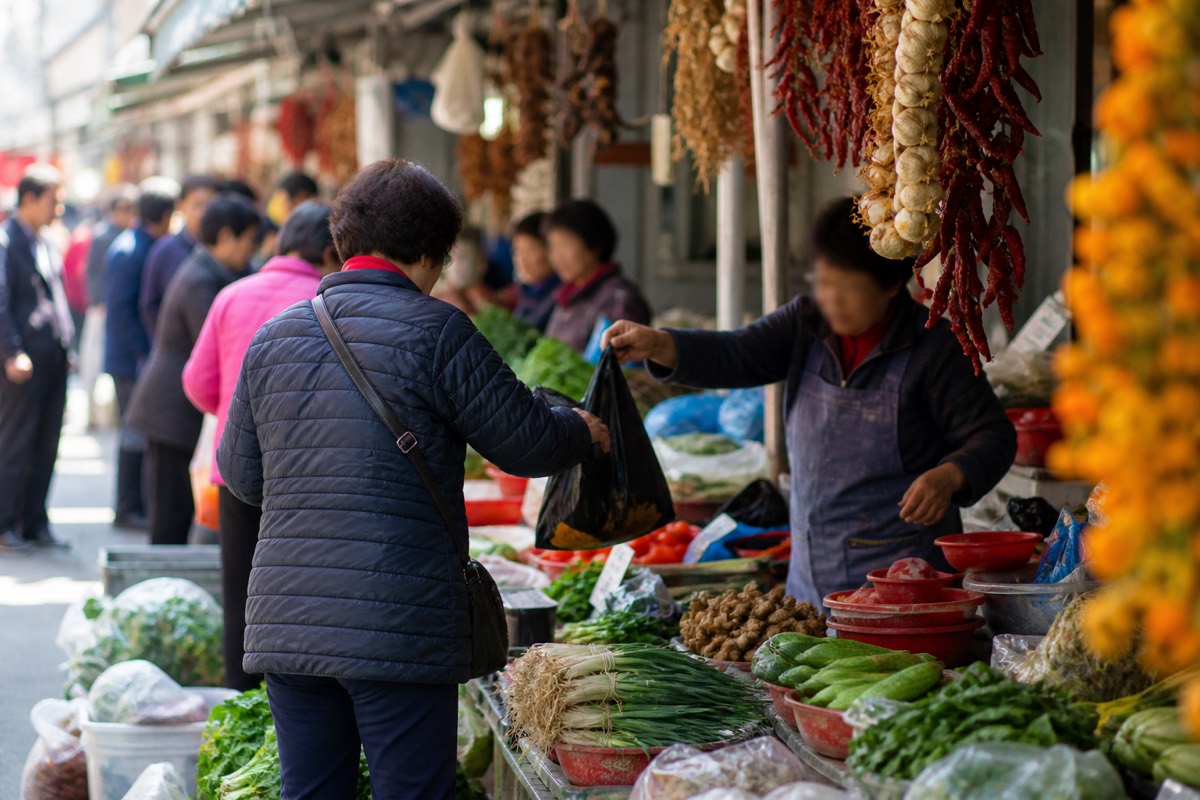
At a market stall run by an older vendor. 할머니, 이거 얼마예요? (halmeoni, igeo eolmayeyo?) — "How much is this?" Market grandmas often call you 아가씨 or 총각 back; that is affection, not rudeness.
At a friend's family dinner. Use 어머님 and 아버님 for your friend's parents. Before eating, wait for the oldest person to lift their spoon, then say 잘 먹겠습니다 (jal meokgetseumnida). When you pass food, add 드세요: 아버님, 이것 좀 드세요. — "Please have some of this."
Helping someone who looks unwell. 어르신, 괜찮으세요? 도와드릴까요? (eoreusin, gwaenchaneuseyo? dowadeurilkkayo?) — "Are you all right? Can I help you?" 도와드릴까요 is the humble form of "shall I help," used when the helper is younger.
Mistakes that sound rude without meaning to
Using 아저씨 and 아줌마 too freely. These mean "mister" and "ma'am," and you will hear them everywhere. But 아줌마 in particular can sound dismissive to a woman who does not see herself as middle-aged, and both can feel blunt. 사장님 for shop owners and 어머님 / 아버님 elsewhere are kinder defaults.
Calling a stranger 할머니 too early. A woman in her fifties called "grandmother" may laugh, but she will notice. If you cannot tell, use 어머님, or skip the title and start with 저기요 (jeogiyo), "excuse me."
Saying 당신. It appears in song lyrics and between married couples, and in a street argument. To an older stranger it sounds hostile. Repeat the title instead.
Asking 몇 살이에요? Asking an older person's age with 몇 살 is too casual. The respectful version is 연세가 어떻게 되세요? (yeonsega eotteoke doeseyo?). More in our guide on how to ask someone's age in Korean.
Dropping 요 at the end. Even with a title in front, 할머니, 고마워 sounds like talking to a child. Keep the 요, or go one step higher: 감사합니다.
Say it out loud before your trip
Pick two lines and practice them until they come out without thinking: 어르신, 여기 앉으세요 and 할머니, 이거 얼마예요? The title and the -(으)세요 ending are a package — say them together every time, and they will stick together when a real grandmother is standing in front of you. For the wider picture, our guide to being polite in Korean explains 요, 저, and the little 시 hiding inside -세요, and Korean family titles covers 오빠, 언니, and the names you use with friends.

SULSUL is a speaking gym for exactly this: pick a pattern, say it out loud, get an instant fix from the AI pronunciation coach, then run the real situation as a mission. The 100-pattern PDF workbook comes along as a bonus.