How to Say Help in Korean: 도와주세요, 살려 주세요, and the Words for a Real Emergency

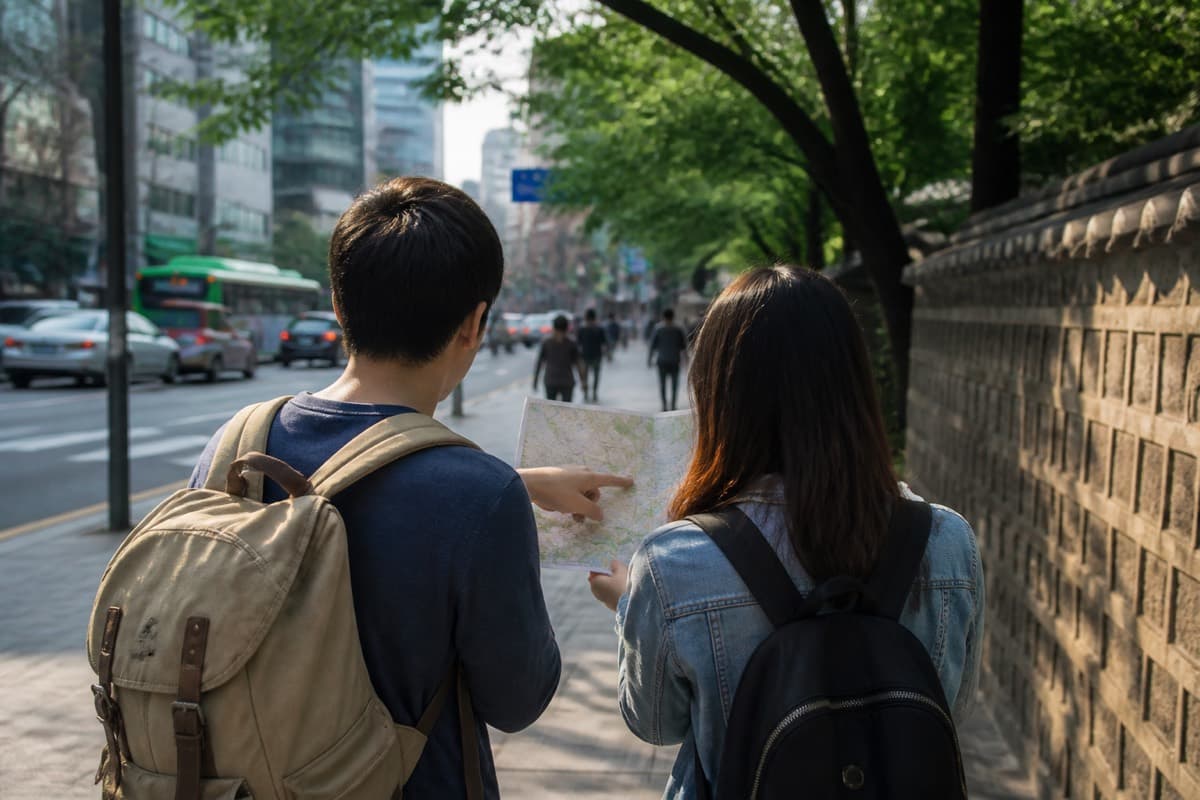
To say help in Korean, say 도와주세요 (dowajuseyo) — "please help me." It is polite, it works with any stranger, and it is the line you will use ninety-nine times out of a hundred. When it is a real emergency — someone is in danger, someone is hurt, you need people to come running — Koreans shout 살려 주세요! (sallyeo juseyo!), which literally means "please save me."
- 도와주세요 (dowajuseyo) — "Please help me." Your default.
- 좀 도와주시겠어요? (jom dowajusigesseoyo?) — "Could you help me a little?" Softer.
- 살려 주세요! (sallyeo juseyo!) — "Save me!" Danger only.
- 도움이 필요해요 (doumi piryohaeyo) — "I need help."
- 도와드릴까요? (dowadeurilkkayo?) — "Can I help you?" When you are the helper.
The rest of this page sorts these lines by how serious the moment is, then gives you the short sentences that turn "help" into something a stranger can actually act on.
Where 도와주세요 comes from
The verb is 돕다 (dopda), "to help." Its stem changes shape before a vowel — 돕 becomes 도와 — and then you attach the request ending 주세요, "please do it for me." That is the same pattern as 찍어 주세요 ("please take a photo") or 포장해 주세요 ("please pack it to go"): verb + 아/어 주세요.
So 도와주세요 is literally "help, for me, please." You will also see it written with a space, 도와 주세요. Both spellings are fine and both are said in one breath: do-wa-ju-se-yo, with the weight landing softly on ju.
The noun is 도움 (doum), "help." You need it for one sentence: 도움이 필요해요 (doumi piryohaeyo, "I need help"). It sounds calmer than 도와주세요, which makes it good for a front desk or an information counter.
Practice this out loud with SULSUL — the app says it, you repeat it →
Everyday help: soften it with 좀
For a stuck suitcase, a ticket machine you can't read, or a door you can't open with full hands, plain 도와주세요 can sound a little abrupt. Koreans almost always slip in 좀 (jom), a cushion word that means "a little, please":
- 저기요, 좀 도와주세요. (jeogiyo, jom dowajuseyo.) — "Excuse me, could you help me a bit?"
- 죄송한데, 좀 도와주시겠어요? (joesonghande, jom dowajusigesseoyo?) — "Sorry to bother you, but could you help me?"
저기요 gets attention, 죄송한데 apologizes for interrupting, 좀 softens the ask. Stack them and almost anyone will stop.
Then name the problem in one short line, because "help" alone leaves the other person guessing:
- 이거 어떻게 해요? (igeo eotteoke haeyo?) — "How do I do this?" (pointing at the machine)
- 길을 잃었어요. (gireul ileosseoyo.) — "I'm lost."
- 영어 할 줄 아세요? (yeongeo hal jul aseyo?) — "Do you speak English?"
For longer exchanges with strangers — directions, lost items, what to say when you can't follow the answer — see how to politely ask for help in Korean.
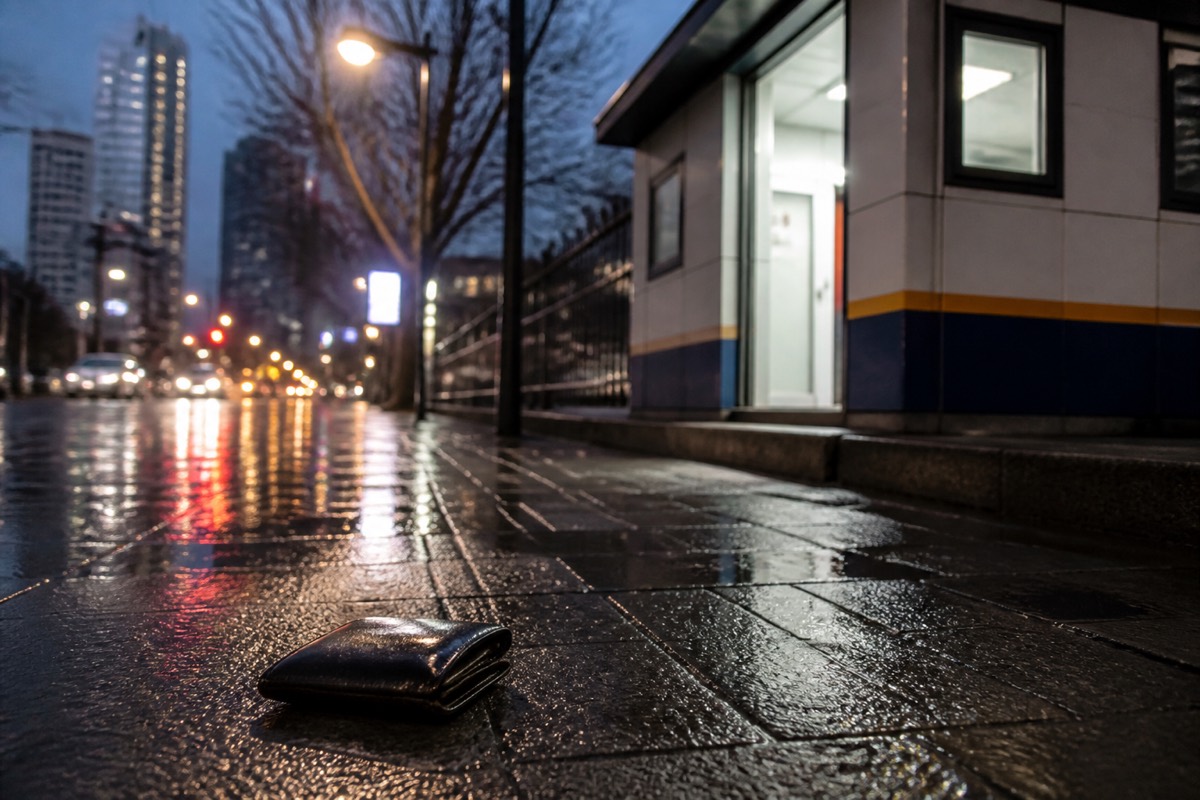
Real emergencies: 살려 주세요 and who to call
살려 주세요 comes from 살리다, "to keep alive." Nobody says it about a broken ticket machine. It is for drowning, a fire, an attack — anything where staying quiet could cost a life. If you shout it, people will understand immediately that this is not a small problem.
The next most useful lines are the ones that get a stranger to make the call for you:
- 119 불러 주세요! (il-il-gu bulleo juseyo!) — "Call 119!" Ambulance and fire.
- 경찰 불러 주세요! (gyeongchal bulleo juseyo!) — "Call the police!" Police is 112.
- 구급차 불러 주세요! (gugeupcha bulleo juseyo!) — "Call an ambulance!"
Two shouts every Korean knows from childhood:
- 불이야! (buriya!) — "Fire!"
- 도둑이야! (dodugiya!) — "Thief!"
And if you are the one hurt, keep it to two or three words:
- 다쳤어요. (dachyeosseoyo.) — "I'm hurt."
- 여기 아파요. (yeogi apayo.) — "It hurts here." (point)
- 숨을 못 쉬겠어요. (sumeul mot swigesseoyo.) — "I can't breathe."
Korea's numbers to remember: 119 for an ambulance or fire, 112 for police, and 1330, the Korea Travel Helpline, which can interpret for you in English and other languages around the clock. Emergency operators at 119 and 112 can also connect an interpreter, so say 영어요 (yeongeoyo, "English, please") as soon as they pick up. What happens once you reach a hospital is covered in Korean phrases at an emergency room in Korea.
When someone asks if you need help
Koreans often offer before you ask. You will hear:
- 괜찮으세요? (gwaenchaneuseyo?) — "Are you okay?"
- 도와드릴까요? (dowadeurilkkayo?) — "Shall I help you?"
To accept: 네, 감사합니다 (ne, gamsahamnida, "Yes, thank you"). To decline politely: 괜찮아요, 감사합니다 (gwaenchanayo, gamsahamnida, "I'm fine, thanks"). The same 도와드릴까요? works when you are the one offering — for someone carrying too many bags up subway stairs, it is the perfect line.
Between close friends, the casual forms are 도와줘 (dowajwo, "help me") and 살려 줘 (sallyeo jwo). Friends also say 살려 줘 as a joke when they are drowning in homework or a long shift. With strangers, stay with 도와주세요.
A real moment, start to finish
Your suitcase wheel has jammed at the top of subway stairs:
You: 저기요, 죄송한데 좀 도와주시겠어요? — jeogiyo, joesonghande jom dowajusigesseoyo? — "Excuse me, sorry, could you help me?"
Them: 네, 뭐 도와드릴까요? — ne, mwo dowadeurilkkayo? — "Sure, what can I help with?"
You: 가방이 너무 무거워요. 같이 들어 주세요. — gabang-i neomu mugeowoyo. gachi deureo juseyo. — "The bag is too heavy. Please lift it with me."
Them: 아, 네. 하나, 둘, 셋! — a, ne. hana, dul, set! — "Oh, sure. One, two, three!"
You: 정말 감사합니다! — jeongmal gamsahamnida! — "Thank you so much!"
Notice the shape: get attention, ask, name the problem, thank. That covers almost every help situation short of an emergency.
Mistakes that make "help" go wrong
Shouting 살려 주세요 for a small problem. It signals danger. Saying it because your card was declined will alarm everyone nearby.
Saying only 도와주세요 and waiting. The other person still doesn't know what you need. Add one line — 길을 잃었어요, 이거 어떻게 해요? — right after.
Dropping 저기요. Starting with 도와주세요 before someone has even looked at you is easy to miss on a busy street. Get eye contact first.
Using 도와줘 with strangers. Casual speech to an older stranger asking a favor sounds demanding.
Forgetting the number. In panic, "nine-one-one" comes out automatically. In Korea it is 119. Say it out loud a few times now so it is ready.
Practice the help lines out loud
Say each one three times, louder on the last two:
- 저기요, 좀 도와주세요. — everyday help.
- 도움이 필요해요. — at a counter.
- 119 불러 주세요! — someone is hurt.
- 살려 주세요! — real danger.
Emergency lines only work if they come out without thinking. Practicing them aloud once, while you are calm, is what makes them available when you are not.
From knowing the word to saying it under pressure
Reading 도와주세요 is easy. Getting it out clearly to a stranger who is walking fast, while you are flustered, is the hard part — and it is the same 아/어 주세요 pattern you will use for photos, to-go boxes, and directions.
SULSUL is a speaking gym for that moment: pick a pattern, say it out loud, get an instant fix from the AI pronunciation coach, then run the real situation as a mission. The 100-pattern PDF workbook comes along as a bonus.