How to Say Please Give Me in Korean: 주세요
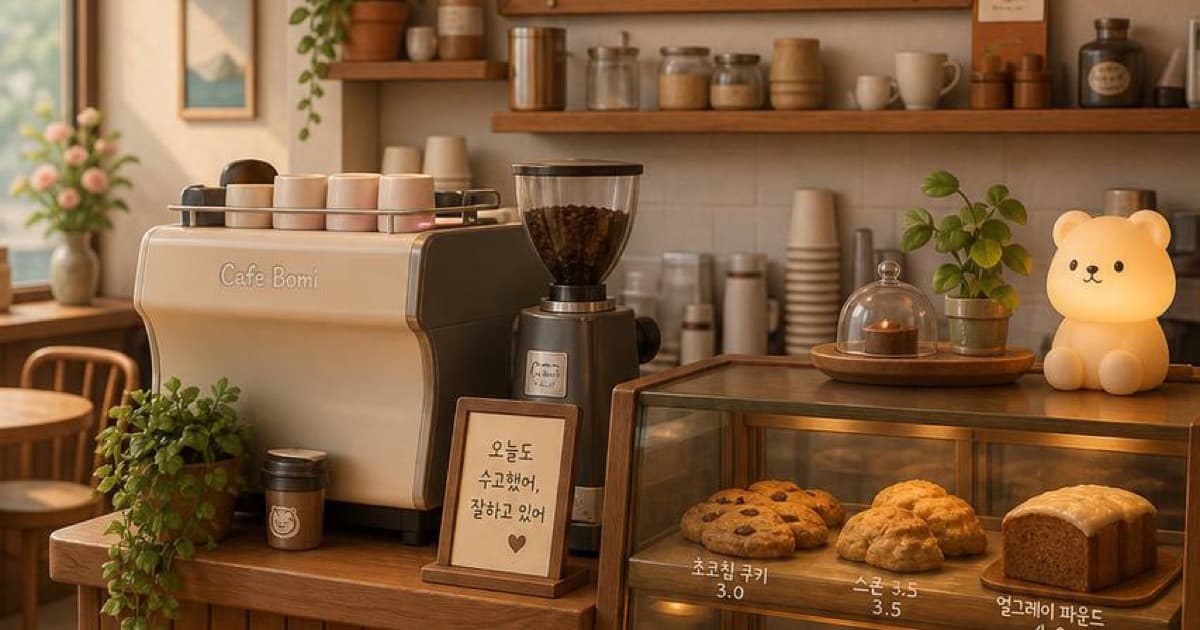
"Please give me ___" in Korean is 주세요 (juseyo), and it goes after the thing you want, not before it. Coffee please is 커피 주세요 (keopi juseyo). Bread please is 빵 주세요 (ppang juseyo). Water please is 물 주세요 (mul juseyo). That is the entire pattern — take any noun, stick 주세요 on the end, and you have a complete, polite Korean sentence. You do not need a subject, a verb, or a particle. If you do not know the noun at all, point at it and say 이거 주세요 (igeo juseyo), "this one, please," and you will still be understood at every counter in Korea.
- 커피 주세요 (keopi juseyo) — coffee, please
- 빵 주세요 (ppang juseyo) — bread, please
- 물 좀 주세요 (mul jom juseyo) — some water, please (softer)
- 이거 주세요 (igeo juseyo) — this one, please
- 아메리카노 한 잔 주세요 — one Americano, please
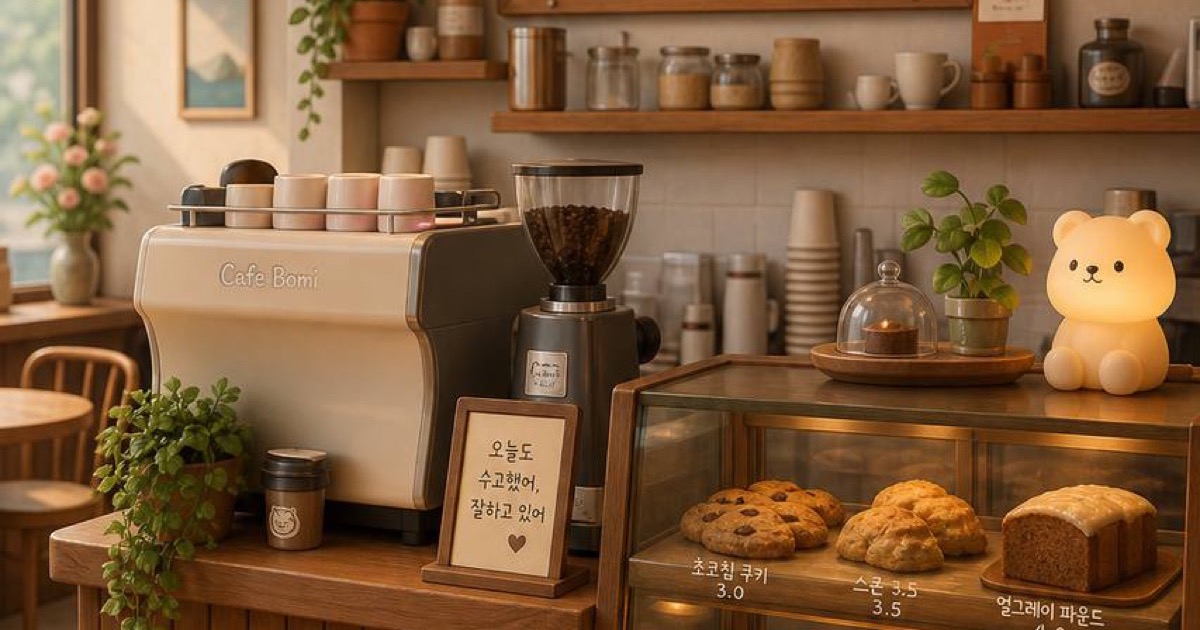
The one rule: noun + 주세요
주세요 comes from 주다 (juda), "to give," in its polite request form. Because Korean puts the verb last, the object walks in first and 주세요 closes the sentence. English builds it the other way around, and that reversal is the only thing most beginners have to unlearn.
| What you want | Say |
|---|---|
| Water | 물 주세요 (mul juseyo) |
| Menu | 메뉴판 주세요 (menyupan juseyo) |
| Receipt | 영수증 주세요 (yeongsujeung juseyo) |
| A bag | 봉투 주세요 (bongtu juseyo) |
| Tissue | 휴지 주세요 (hyuji juseyo) |
| That one over there | 저거 주세요 (jeogeo juseyo) |
Textbooks will tell you the object needs the particle 을/를 — 물을 주세요. It is not wrong, but almost nobody speaks that way at a counter. Dropping the particle is what makes you sound like a person ordering rather than a person reciting. Keep it bare.
Pronunciation: ju-se-yo, three flat syllables, no stress bump. The ㅈ is closer to an English j than a ch, and the whole word runs faster than it looks written down — in real speech it often lands as something like jusé-yo in one breath.
Practice this out loud with SULSUL — the app says it, you repeat it →
좀: the one syllable that stops it sounding like an order
주세요 is already polite, but on its own it can come out flat — the Korean equivalent of "water" barked at a waiter. The fix is 좀 (jom), literally "a little," slotted between the noun and 주세요.
물 좀 주세요. — mul jom juseyo. — "Could I get some water?"
좀 does not change the meaning. It works like "a bit" in English: it shrinks the request so it feels like a favour rather than an instruction. Koreans use it constantly, and adding it is the single fastest way to sound warmer without learning any new grammar.
Two more sentence-openers that do the same job:
저기요 (jeogiyo) — "excuse me," to get a staff member's attention first. 여기요 (yeogiyo) — same thing, used when you are calling someone over to your table.
저기요, 물 좀 주세요. — jeogiyo, mul jom juseyo. — "Excuse me, could I get some water?"
Saying how many: 한 잔, 두 개, 삼 인분
Korean counts things with a counter word, and it sits right before 주세요. Use the native Korean numbers here — 하나, 둘, 셋 — which shorten to 한, 두, 세 in front of a counter.
| Counter | Used for | Example |
|---|---|---|
| 개 (gae) | general items | 이거 두 개 주세요 — two of these |
| 잔 (jan) | cups, glasses | 아메리카노 한 잔 주세요 — one Americano |
| 병 (byeong) | bottles | 맥주 두 병 주세요 — two beers |
| 인분 (inbun) | portions of food | 삼겹살 이 인분 주세요 — two servings of pork belly |
| 명 (myeong) | people | 두 명이요 — for two (at the door) |
인분 is the odd one out: it takes Sino-Korean numbers (일, 이, 삼), so it is 이 인분, not 두 인분. Meat at a Korean BBQ place is almost always ordered this way, and the full counting system for both number sets is laid out in Korean numbers for paying and counting in Korea.
One more you will use every single day: 더 (deo), "more."
김치 좀 더 주세요. — gimchi jom deo juseyo. — "A little more kimchi, please."
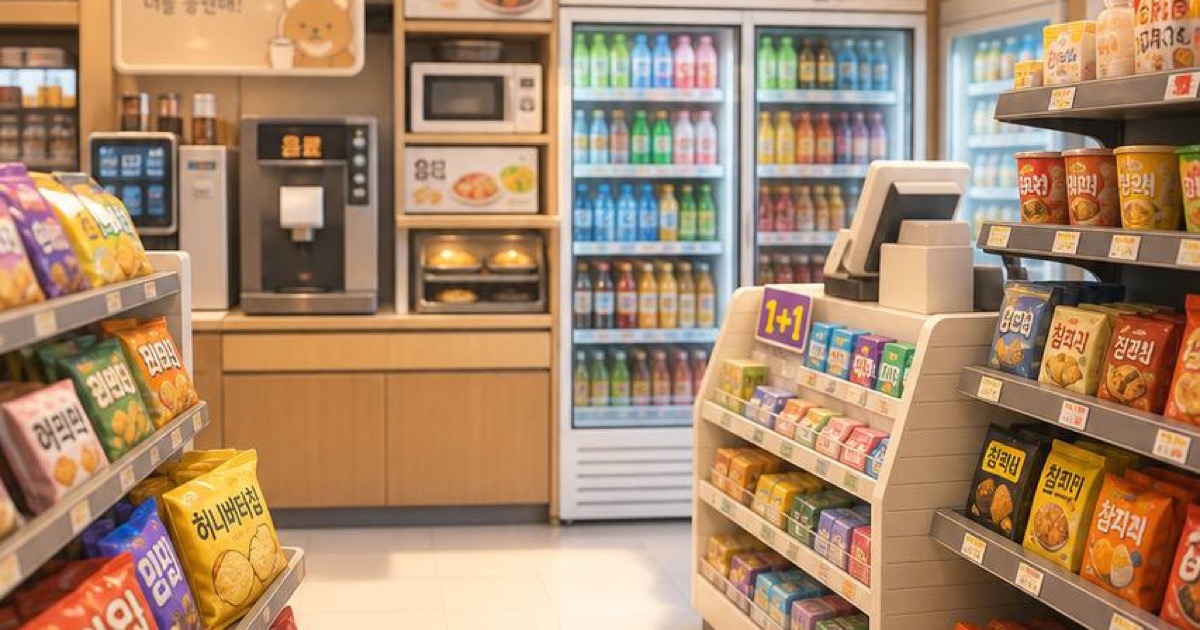
Side dishes in Korea are refilled free, and this is the sentence that does it.
When 주세요 needs a verb in front of it
So far 주세요 has been asking for a thing. To ask someone to do something, you attach it to a verb stem with 아/어: -아/어 주세요, "please do ___ for me."
도와주세요. — dowajuseyo. — "Please help me." 천천히 말해 주세요. — cheoncheonhi malhae juseyo. — "Please speak slowly." 다시 말해 주세요. — dasi malhae juseyo. — "Please say that again." 사진 좀 찍어 주세요. — sajin jom jjigeo juseyo. — "Could you take a photo?" 포장해 주세요. — pojanghae juseyo. — "Please pack it to go." 강남역으로 가 주세요. — Gangnam-yeogeuro ga juseyo. — "To Gangnam Station, please."
The last one is how every taxi ride in Korea starts, and the rest of that conversation is in how to ask for a taxi in Korean. The slow-down request has its own survival kit in Korean phrases when someone speaks too fast.
The test is simple: if you want an object handed to you, 주세요 follows a noun. If you want an action performed, it follows a verb in 아/어 form.
How polite is polite enough
주세요 is the safe middle of a four-step ladder, and it works with literally everyone you meet as a visitor — staff, strangers, someone older, a shop owner.
| Form | Feel | Use with |
|---|---|---|
| 줘 (jwo) | casual | close friends, younger family |
| 줘요 (jwoyo) | soft polite | familiar people you are still polite to |
| 주세요 (juseyo) | standard polite | everyone, everywhere — your default |
| 주시겠어요? (jusigesseoyo?) | extra soft | asking a real favour, or a stranger |
| 주십시오 (jusipsio) | formal | announcements, signage, ceremonies |
주시겠어요 is worth having ready for the moments when you are genuinely imposing — asking someone to move their bag, or to swap a seat. It reads as "would you mind giving me…" rather than "give me."
Five mistakes learners make with 주세요
Putting it first. 주세요 커피 is backwards. The thing always leads.
Using it for a thing the listener cannot hand over. 화장실 주세요 means "please give me a bathroom." What you want is 화장실이 어디예요? — the full version is in how to ask where the restroom is in Korean.
Using a noun where the verb form belongs. 도움 주세요 ("give me help") sounds stiff and odd. It is 도와주세요.
Reaching for English counters. 커피 원 주세요 will be understood, but 커피 한 잔 주세요 is what people actually say.
Using 주세요 to ask permission. "Can I try this on?" is not 주세요 — it is 입어 봐도 돼요? (ibeo bwado dwaeyo?). 주세요 requests; -아/어도 돼요 asks whether you may.
One small writing note: 가 주세요 and 가주세요 both appear in the wild. Spaced is the standard form, joined is what you will see on signs and in text messages. Either is fine out loud, because the gap is silent.
Say it out loud before you need it
저기요, 아이스 아메리카노 한 잔 주세요. Reading that takes two seconds. Saying it while a barista waits and three people queue behind you is a different muscle entirely — and it is the only one that matters at the counter.
SULSUL is a speaking gym built for that gap: pick a pattern, say it out loud, get an instant fix from the AI pronunciation coach, then run the whole situation as a mission. The 100-pattern PDF workbook comes along as a bonus.