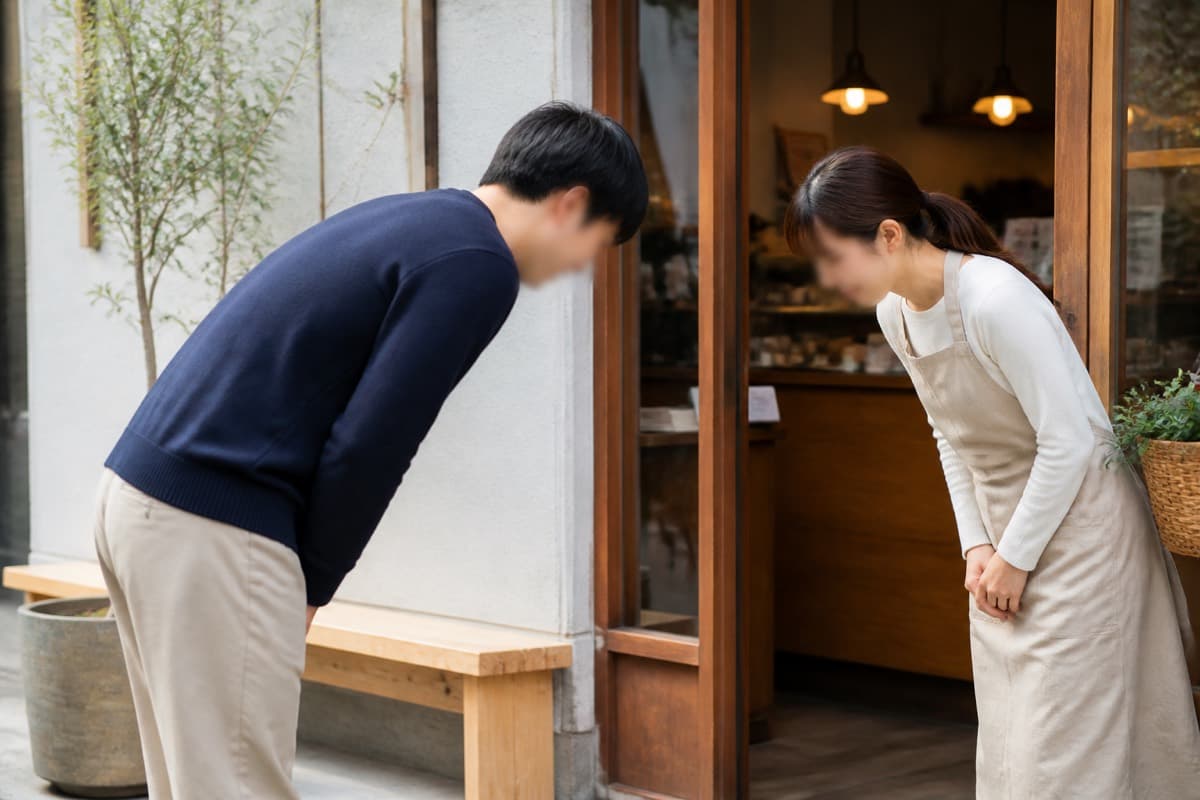
Korean Phrases When Someone Speaks Too Fast
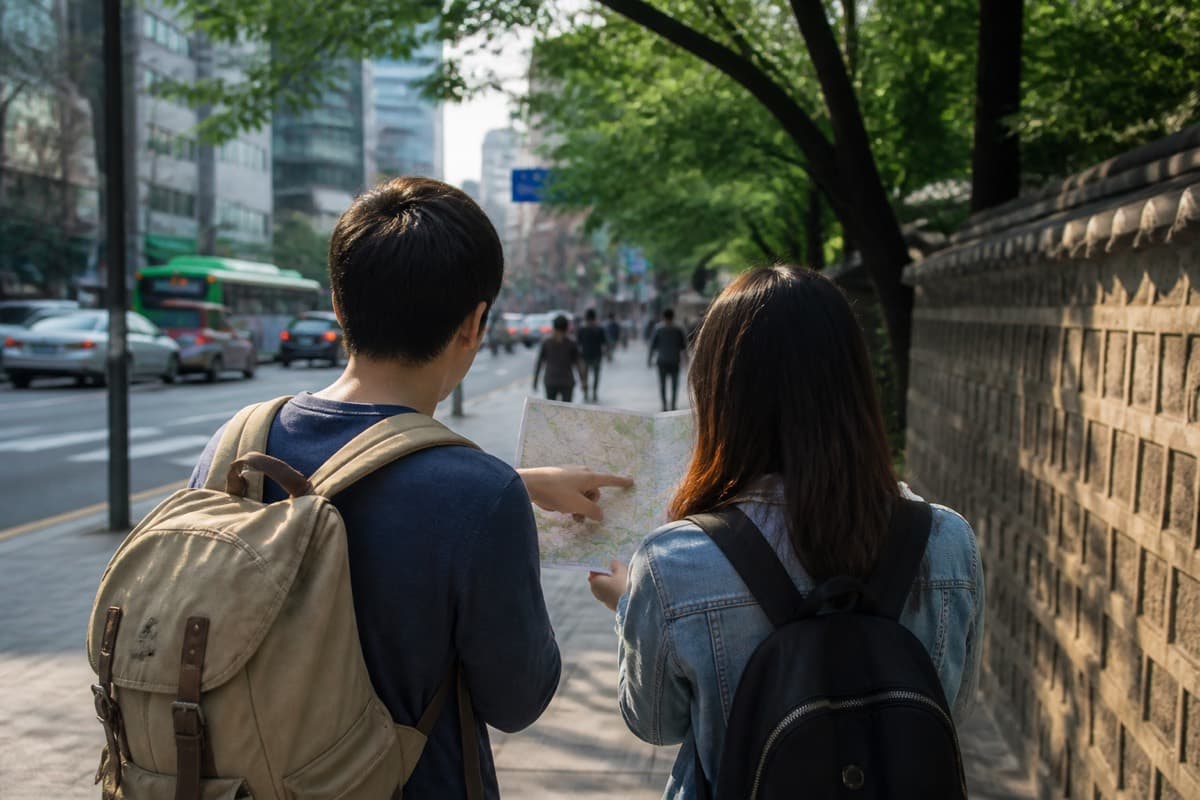
Korean phrases when someone speaks too fast give you a polite pause button. Say 천천히 말해 주세요 (cheoncheonhi malhae juseyo), "Please speak slowly," when your brain cannot keep up, or 다시 말해 주세요 (dasi malhae juseyo), "Please say it again," when you missed the whole sentence. Pattern 22 in the SULSUL workbook pairs 천천히 (cheoncheonhi, slowly) or 다시 (dasi, again) with 말해 주세요 (malhae juseyo) — the same request ending you use for 포장해 주세요 (pojanghae juseyo).
- 천천히 말해 주세요 (cheoncheonhi malhae juseyo) — "Please speak slowly."
- 다시 말해 주세요 (dasi malhae juseyo) — "Please say it again."
- 잘 못 들었어요 (jal mot deureosseoyo) — "I did not hear you well."
- 잘 모르겠어요 (jal moreugesseoyo) — "I do not really understand."
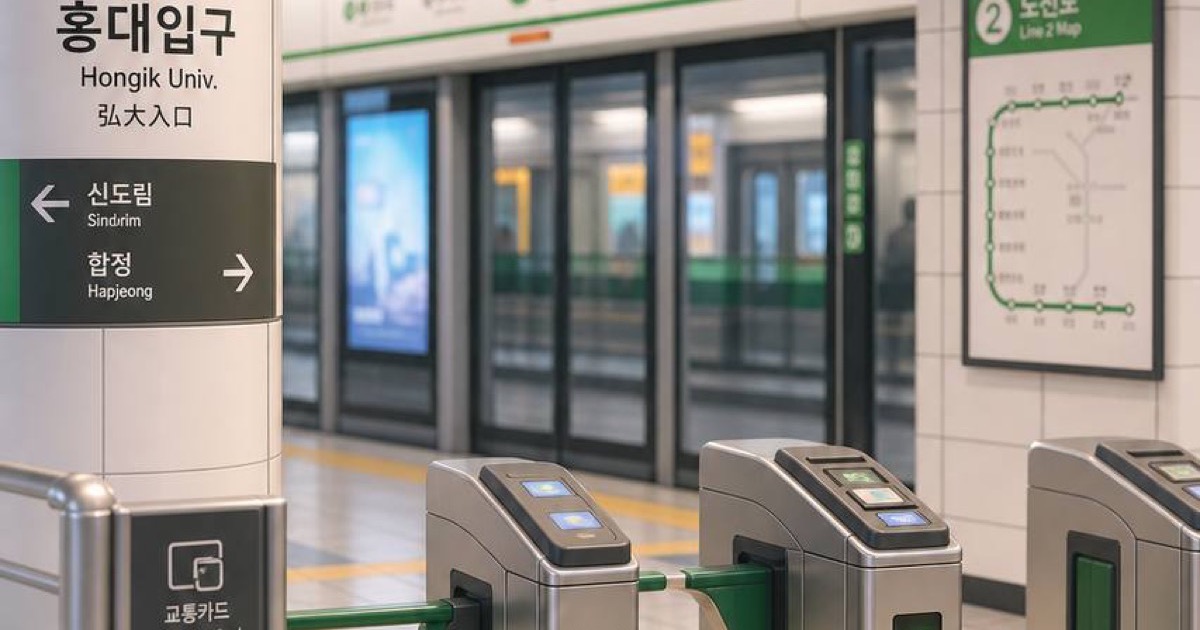
How do you stop the conversation without freezing?
Open with 죄송하지만 (joesonghajiman, "I am sorry, but") — it signals you are listening, not ignoring them. Then use one of the lines above.
You: 죄송하지만, 천천히 말해 주세요. — joesonghajiman, cheoncheonhi malhae juseyo. — "I am sorry, but please speak slowly."
Them: 아, 네. 이렇게요? — a, ne. ireogeyo? — "Ah, yes. Like this?"
You: 네, 지금 좋아요. — ne, jigeum joayo. — "Yes, this is good now."
| Situation | Say this |
|---|---|
| Speak slowly | 천천히 말해 주세요 (cheoncheonhi malhae juseyo) |
| Say it again | 다시 말해 주세요 (dasi malhae juseyo) |
| Did not hear | 잘 못 들었어요 (jal mot deureosseoyo) |
| Do not understand | 잘 모르겠어요 (jal moreugesseoyo) |
| One more time | 한 번 더 말해 주세요 (han beon deo malhae juseyo) |
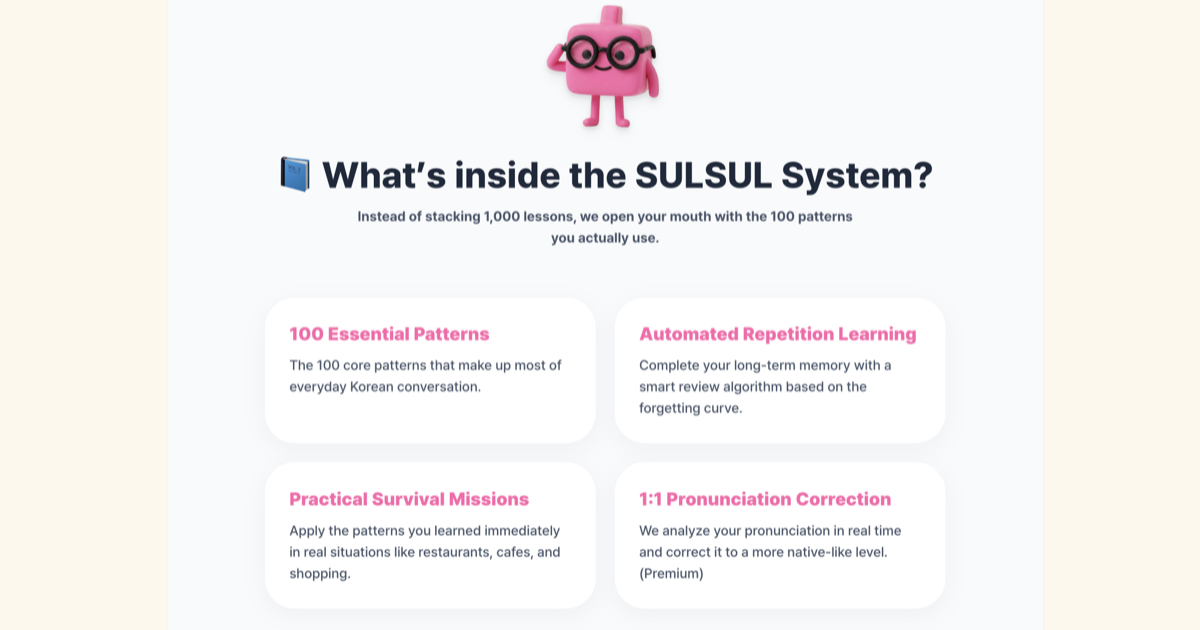
Practice this out loud with SULSUL — the app says it, you repeat it →
What do Koreans say when they repeat for you?
Most people naturally slow down and simplify — you do not need to apologize twice. Listen for the same keyword repeated louder, not a whole new explanation.
You: 잘 못 들었어요. 다시 말해 주세요. — jal mot deureosseoyo. dasi malhae juseyo. — "I did not hear you well. Please say it again."
Them: 2층이에요. 2층. — icheung-ieyo. icheung. — "Second floor. Second floor."
You: 아, 2층. 감사합니다. — a, icheung. gamsahamnida. — "Ah, second floor. Thank you."
Pattern 21 — 잘 모르겠어요 (jal moreugesseoyo) — tells the other person you are stuck without sounding rude. Pair it with Pattern 22 when you need them to retry. For broader help requests, see how to politely ask for help in Korean.
What usually goes wrong?
Learners often nod along when they caught nothing — the other person assumes you understood and speeds up. One honest 잘 모르겠어요 (jal moreugesseoyo) resets the pace. Another mistake is saying 몰라요 (mollayo, "I don't know") when you mean "I didn't catch that" — 잘 모르겠어요 is softer and fits listening problems.
You: 너무 빨라요. — neomu ppallayo. — "It is too fast."
Them: 괜찮아요, 천천히 할게요. — gwaenchanayo, cheoncheonhi halgeyo. — "It is fine, I will go slowly."
You: 감사합니다. 다시 말해 주세요. — gamsahamnida. dasi malhae juseyo. — "Thank you. Please say it again."
A second slip is asking for English immediately. Try Pattern 22 once first — many Koreans will adjust speed and repeat key words without switching languages.
Say it out loud, not just in your head
Reading 천천히 말해 주세요 on this page is not the same as saying it when a pharmacy clerk is already finishing a long explanation.
SULSUL is a speaking gym for exactly that moment: pick a survival pattern, say it out loud, get an instant fix from the AI pronunciation coach, then run the real situation as a mission. The 100-pattern PDF workbook comes along as a bonus.