How to Ask Someone's Age in Korean

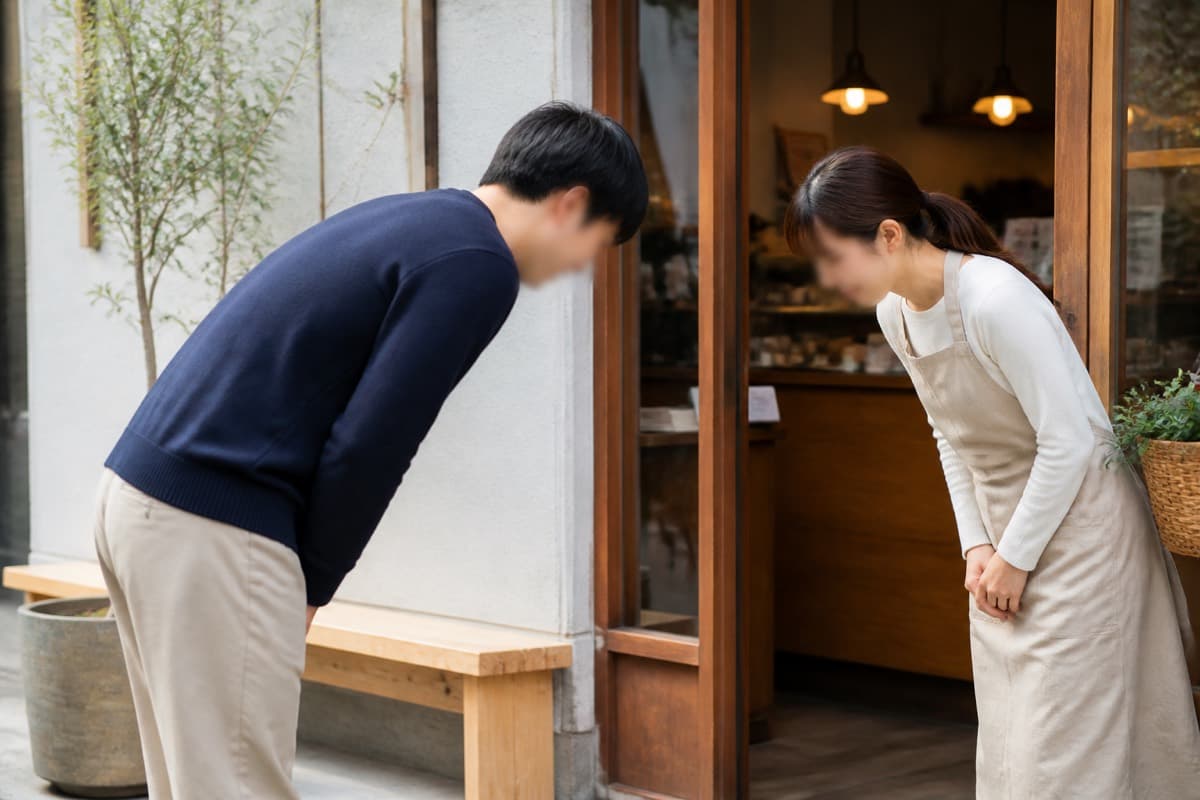
The question you want is 나이가 어떻게 되세요? (naiga eotteoke doeseyo?), "How old are you?" It is polite, it is what an adult says to another adult they just met, and it is not considered nosy in Korea the way it is in English. The blunter 몇 살이에요? (myeot sarieyo?) exists and you will hear it constantly, but it is for people clearly younger than you or already close to you. And for someone visibly elderly, the word for age changes entirely: 연세가 어떻게 되세요? (yeonsega eotteoke doeseyo?). Pattern 15 in the SULSUL workbook — question words plus 예요/해요 — is the machinery underneath all three. What makes this question matter more than any other piece of small talk is what happens next: the answer tells both of you which speech level the rest of the conversation runs in.
- Polite standard: 나이가 어떻게 되세요? (naiga eotteoke doeseyo?) — "How old are you?"
- Casual or to someone younger: 몇 살이에요? (myeot sarieyo?) — "How old are you?"
- To an elderly person: 연세가 어떻게 되세요? (yeonsega eotteoke doeseyo?) — "What is your age?"
- The sideways version: 몇 년생이에요? (myeot nyeonsaengieyo?) — "What year were you born?"
- Your answer: 스물다섯 살이에요 (seumuldaseot sarieyo) — "I'm twenty-five."
Which version do you use, and to whom?
The three questions are not synonyms, they are three different guesses about who the other person is, and picking wrong is the whole risk here.
나이가 어떻게 되세요? is the safe default. 어떻게 되세요 is a softening frame that Korean uses for personal information in general — you will meet it again in 성함이 어떻게 되세요? (seonghami eotteoke doeseyo?), "What is your name?" and 연락처가 어떻게 되세요? (yeollakcheoga eotteoke doeseyo?), "What's your contact number?" It literally asks what something "becomes," which is an oddly indirect way to ask, and that indirectness is exactly the point.
몇 살이에요? is the plain version. Nothing about it is rude on its own, but it carries no cushion, so directing it at someone who might be older lands wrong. Between friends it is the normal one, and in 반말 it shortens again to 몇 살이야? (myeot sariya?).
연세 is the honorific noun for age, reserved for people old enough that 나이 would sound careless. You will not need it often as a traveler, but you will need it the one time you are talking to a grandmother in a neighbourhood shop.
You: 실례지만, 나이가 어떻게 되세요? — sillyejiman, naiga eotteoke doeseyo? — "Excuse me, but how old are you?"
Them: 저는 스물여덟 살이에요. 그쪽은요? — jeoneun seumullyeodeol sarieyo. geujjogeunyo? — "I'm twenty-eight. And you?"
You: 저도 스물여덟 살이에요! 동갑이네요. — jeodo seumullyeodeol sarieyo! donggabineyo. — "I'm twenty-eight too! We're the same age."
Opening with 실례지만 (sillyejiman, "excuse me, but") costs you three syllables and removes any chance of the question sounding like an interrogation.
Practice this out loud with SULSUL — the app says it, you repeat it →
How do you say your own age back?
Age uses native Korean numbers with the counter 살 (sal), and this trips up almost everyone, because prices, dates and phone numbers all use the other set. Special Unit 3 in the workbook calls the two systems what they are — a genuinely annoying feature of Korean — and age sits firmly on the native side.
| Age | Korean | Romanization |
|---|---|---|
| 20 | 스무 살 | seumu sal |
| 21 | 스물한 살 | seumulhan sal |
| 25 | 스물다섯 살 | seumuldaseot sal |
| 30 | 서른 살 | seoreun sal |
| 40 | 마흔 살 | maheun sal |
Four numbers change shape in front of the counter: 하나 → 한 살, 둘 → 두 살, 셋 → 세 살, 넷 → 네 살, and 스물 → 스무 살. Say 스물 살 and you will be understood, but it marks you instantly as someone reciting a list rather than talking. Past about sixty, native numbers start getting heavy even for Koreans, and you will hear the Sino-Korean set with 세 instead — 육십오 세 (yuksibo se) — which is also what appears on forms, hospital charts and official documents. The full logic of which number set goes where is laid out in Korean numbers for paying and counting in Korea.
There is a shortcut younger Koreans use more often than the age question itself: the birth year. 몇 년생이에요? (myeot nyeonsaengieyo?) asks what year you were born, and the answer is the last two digits plus 년생: 99년생이에요 (gusipgu nyeonsaengieyo), "I was born in '99." It sidesteps the arithmetic completely, and it is the standard move among people in their twenties and thirties.
What actually happens after someone tells you their age?
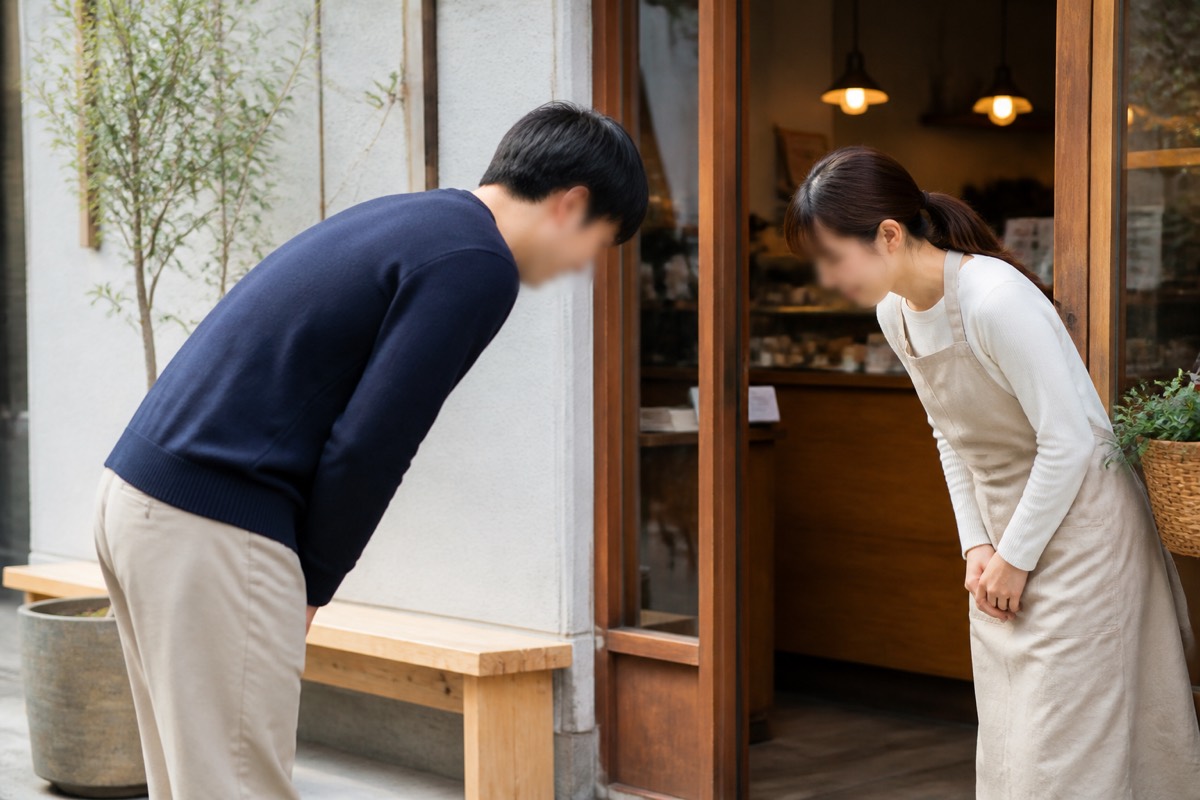
This is the part the phrasebooks leave out. In Korea, age is not trivia, it is navigation. Special Unit 6 in the workbook puts it plainly: when you meet someone for the first time, age is the standard that sets the tone of speech between you. Once the number is out, three things get decided at once — which speech level each of you uses, what you call each other, and who is expected to reach for the bill.
If you are the same age, you are 동갑 (donggap), and that is a small social event in itself. It is the fastest route to informal speech, and the phrase for proposing it is 우리 말 놓을까요? (uri mal noeulkkayo?), "Shall we drop the honorifics?" — Pattern 25's gentle suggestion ending doing exactly the job it was built for. If the other person is older, the move is theirs, not yours; you wait. What you can offer is the reverse permission: 말 편하게 하셔도 돼요 (mal pyeonhage hasyeodo dwaeyo), "You can speak comfortably to me," which is Pattern 44 letting an older person relax first while you stay in 존댓말.
You: 제가 한 살 많네요. — jega han sal manneyo. — "I'm one year older, then."
Them: 아, 그럼 말 편하게 하세요. — a, geureom mal pyeonhage haseyo. — "Ah, then please speak casually to me."
You: 아니에요, 천천히 해요. 우리 말 놓을까요? — anieyo, cheoncheonhi haeyo. uri mal noeulkkayo? — "No rush. Shall we just drop the honorifics?"
Names change too. An older woman becomes 언니 (eonni) if you are female and 누나 (nuna) if you are male; an older man becomes 오빠 (oppa) or 형 (hyeong). These are not flirtation and they are not family words being borrowed loosely — they are the normal way to address someone slightly senior to you, and the full map is in Korean family titles and how to address people in Korea. The speech levels themselves are broken down in how to greet someone at different Korean politeness levels.
What usually goes wrong
Assuming the question is rude. English speakers hedge, apologise, or skip it entirely — and then have no idea how to speak to the person in front of them. Ask it early. It is the question that unlocks everything else.
Mixing up the number sets. 이십오 살 is the single most common learner slip. Ages take native numbers with 살, Sino-Korean numbers only with 세. Never cross them.
Using 몇 살이에요? upward. To anyone who might be older, use 나이가 어떻게 되세요? The plain version is not offensive, it is just badly aimed, and the small awkwardness it creates lingers.
Switching to 반말 the moment you learn you are older. Being older gives you the right to suggest it, not to do it unannounced. Ask first, every time — even a one-year gap.
Forgetting which age you are being asked for. Korea moved to international age as the legal standard in June 2023, so official paperwork now means 만 나이 (man nai), your age by birthday. Conversationally, older Koreans may still count the traditional way, where you start at one and everyone gains a year at New Year, which can put you a year or two ahead of what your passport says. The birth-year question avoids the ambiguity entirely — another reason it has quietly taken over.
Age usually comes up in the same opening minutes as names, jobs and hometowns; the rest of that conversation is in Korean small talk phrases for total beginners, and what to do when it goes well is in how to exchange contact info with a Korean friend.
Say it out loud, not just in your head
나이가 어떻게 되세요? is easy to read and hard to produce at the moment someone has just introduced themselves and is waiting.
SULSUL is a speaking gym for exactly that moment: pick a survival pattern, say it out loud, get an instant fix from the AI pronunciation coach, then run the real situation as a mission. The 100-pattern PDF workbook comes along as a bonus.