Korean Numbers for Paying and Counting in Korea

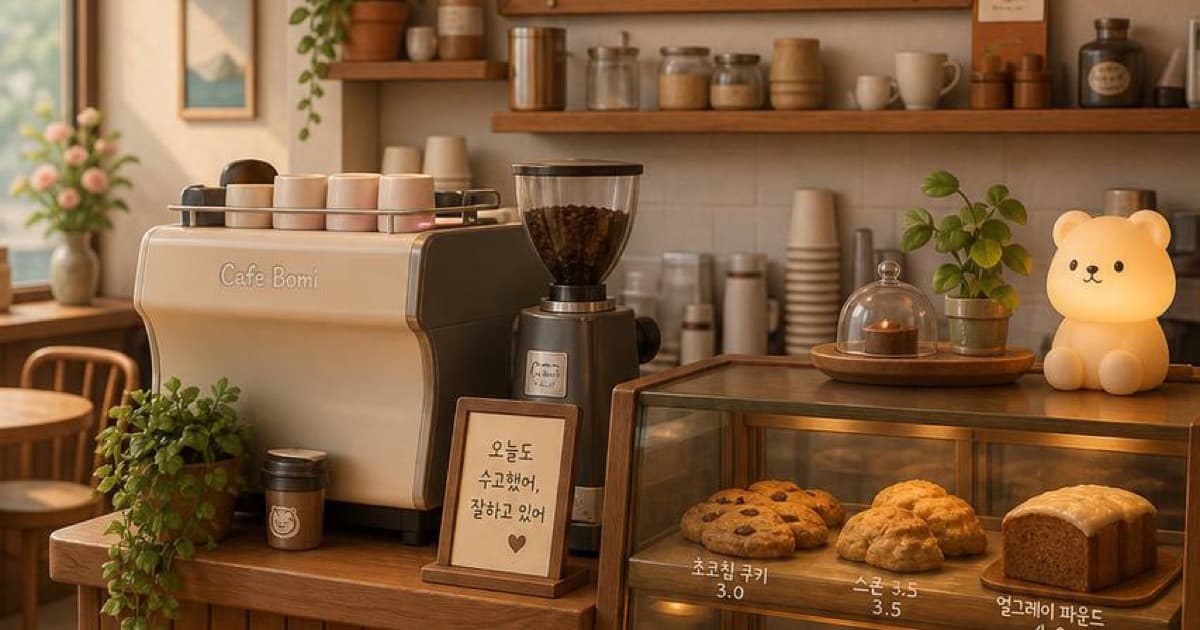
Korean numbers for paying and counting use two systems. Sino-Korean 일, 이, 삼 (il, i, sam) handle money, phone digits, and minutes. Native Korean 하나, 둘, 셋 (hana, dul, set) count items and hours. At a cafe counter, 커피 두 잔 주세요 (keopi du jan juseyo) orders two coffees; at checkout, 이천 원이에요 (icheon wonieyo) means two thousand won.
- Count items (cups, people, bags): Native Korean — 두 잔 (du jan), "two cups," not 이 잔.
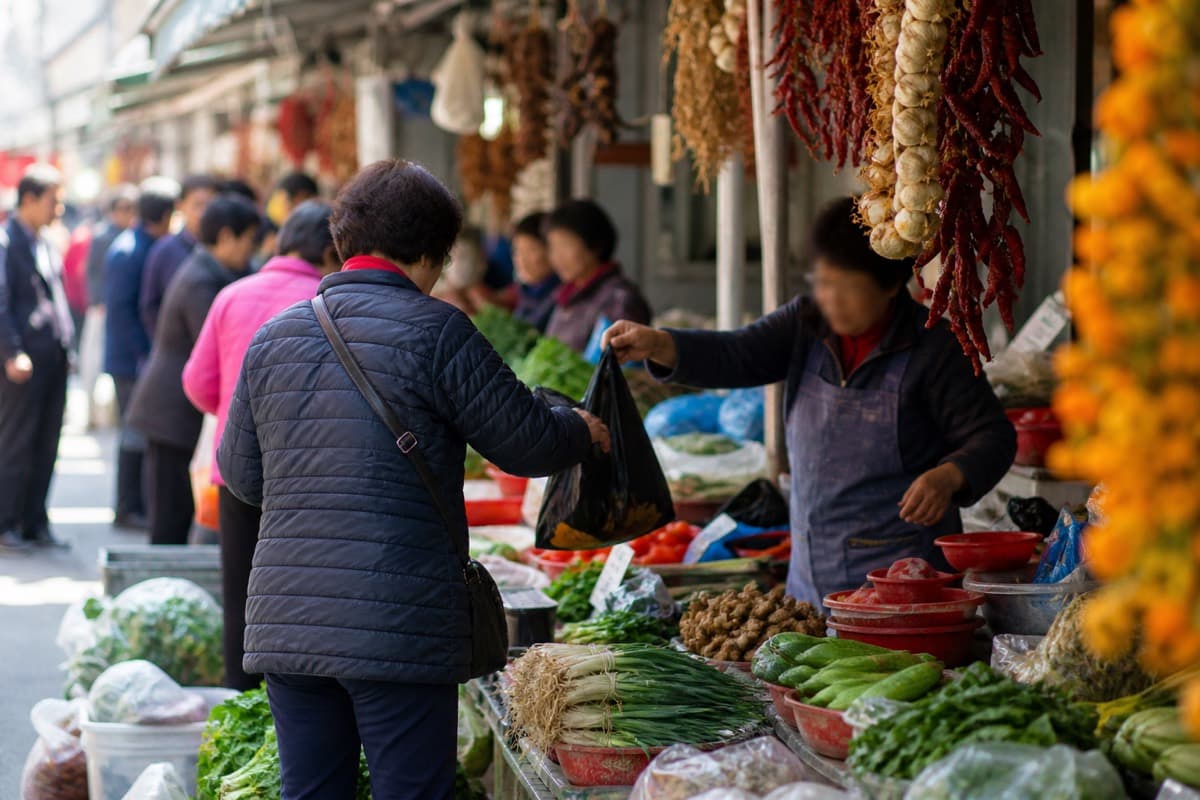
- Say prices and large amounts: Sino-Korean — 천 원 (cheon won), 만 원 (man won).
- Tell the hour: Native — 세 시 (se si), "three o'clock."
- Tell the minutes: Sino — 삼십 분 (samsip bun), "thirty minutes."
- Ask the total: 얼마예요? (eolmayeyo?), "How much is it?"

When do you use Sino-Korean numbers?
Sino-Korean numbers work like math blocks. 십 (sip, ten) plus 일 (il, one) makes 십일 (sibil, eleven). You hear them for money, dates, phone numbers, and minutes.
You: 이거 얼마예요? — igeo eolmayeyo? — "How much is this?"
Them: 삼천 원이에요. — samcheon wonieyo. — "It's three thousand won."
You: 카드 되요? — kadeu dwaeyo? — "Do you accept card?"
| Situation | Say this |
|---|---|
| Ask the price | 얼마예요? (eolmayeyo?) |
| Three thousand won | 삼천 원 (samcheon won) |
| Ten thousand won | 만 원 (man won) |
| 3:30 on the clock | 세 시 삼십 분 (se si samsip bun) |
천 (cheon) is one thousand and 만 (man) is ten thousand — the two units you hear most at markets and convenience stores.
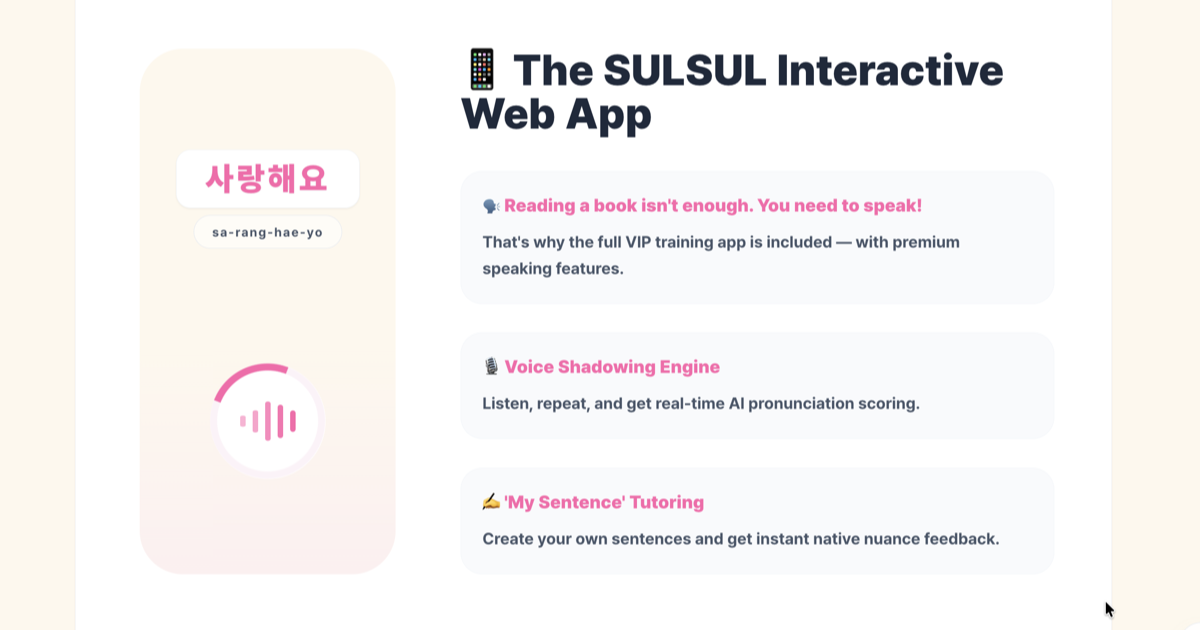
Practice this out loud with SULSUL — the app says it, you repeat it →
When do you use Native Korean numbers?
Native Korean numbers count things in front of you: cups, people, age, and hours. 하나 becomes 한, 둘 becomes 두, 셋 becomes 세, and 넷 becomes 네 when a counter word follows.
아메리카노 두 잔 주세요 (amerikano du jan juseyo) — "Two Americanos, please."
사람 세 명 (saram se myeong) — "Three people."
What usually goes wrong at the register?
The classic mix-up is using Sino-Korean to count items — saying 이 개 (i gae) instead of 두 개 (du gae). Cashiers still understand you, but it marks you as a beginner instantly.
What helps: memorize one ordering line with a counter (두 잔, 한 개) and one price line in Sino-Korean (오천 원 (ocheon won), 만 이천 원 (man icheon won)). For teller-side numbers, see how to exchange currency at a bank in Korea.
How do hours and minutes combine both systems?
Hours use Native Korean; minutes use Sino-Korean. 다섯 시 (daseot si) is five o'clock; add 십오 분 (sibo bun) for 5:15.
You: 지금 몇 시예요? — jigeum myeot siyeyo? — "What time is it now?"
Them: 두 시 삼십 분이에요. — du si samsip bunieyo. — "It's 2:30."
You: 아, 감사합니다. — a, gamsahamnida. — "Oh, thank you."
Say it out loud, not just in your head
Reading 두 잔 here is not the same as saying it while a barista is already reaching for a cup.
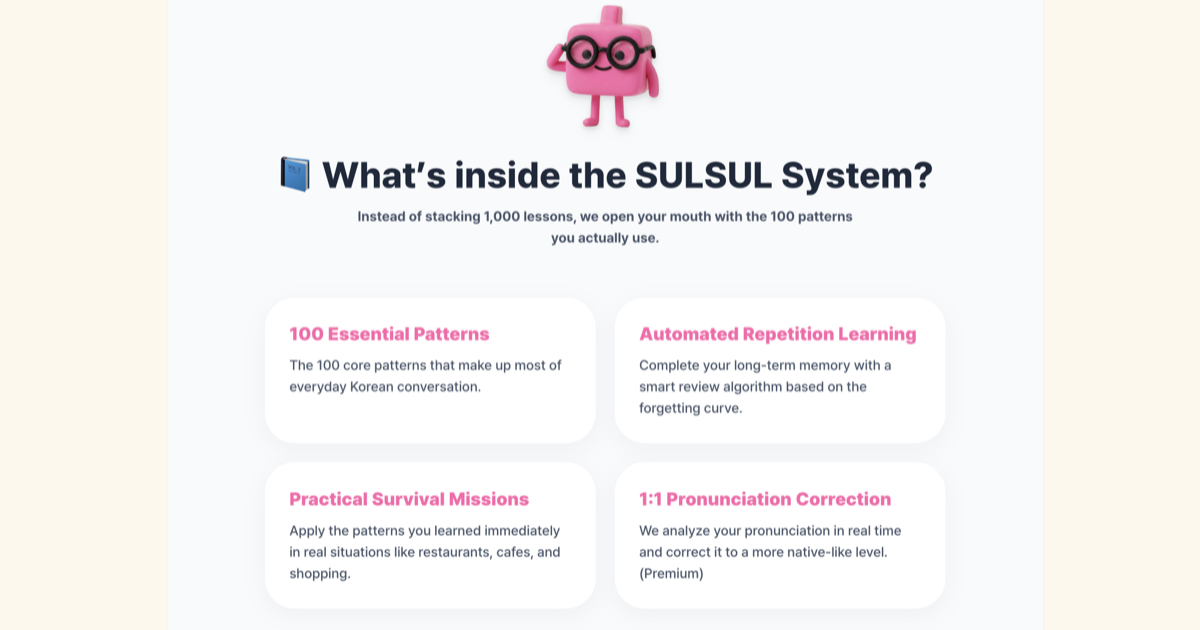
SULSUL is a speaking gym for exactly that moment: pick a survival pattern, say it out loud, get an instant fix from the AI pronunciation coach, then run the real situation as a mission. The 100-pattern PDF workbook comes along as a bonus.