How to Ask Someone's Name in Korean

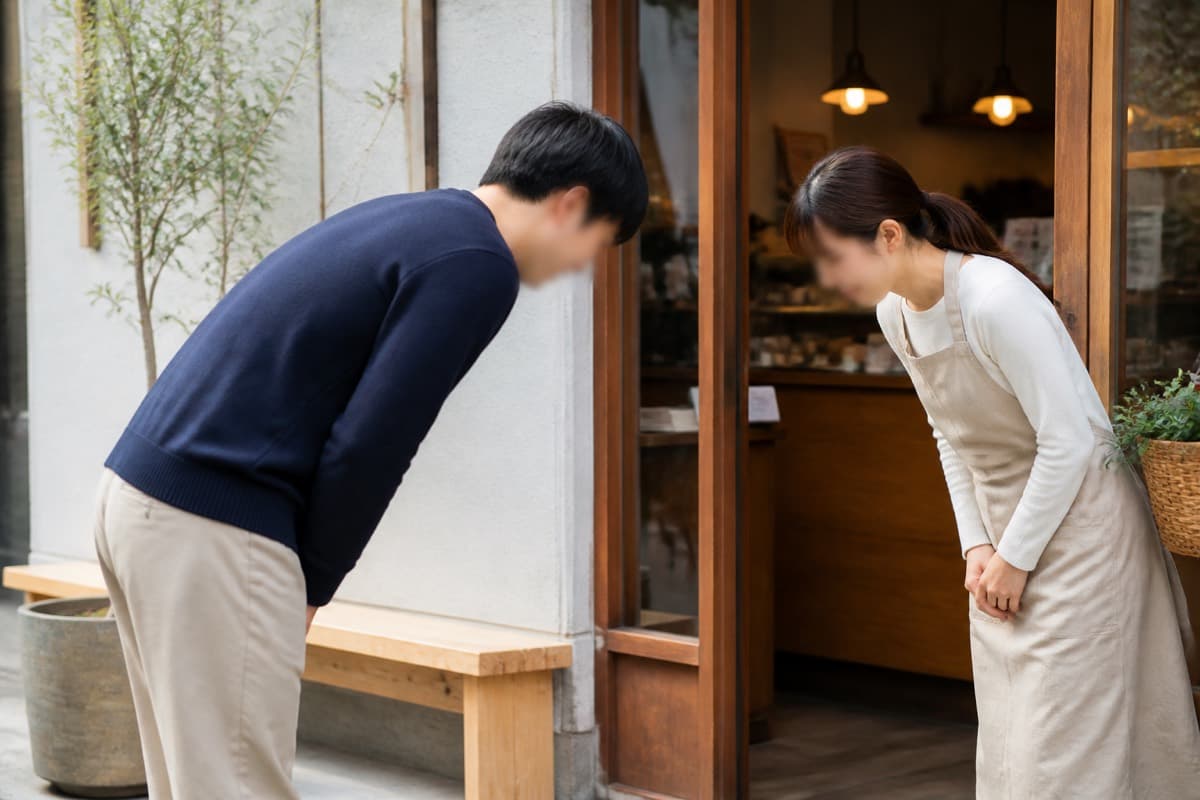
To ask someone's name in Korean, say 이름이 어떻게 되세요? (ireumi eotteoke doeseyo?), "What's your name?" It is polite, warm, and the version you can point at almost anyone you have just met — a shopkeeper, a classmate, someone at a guesthouse breakfast table. The blunter 이름이 뭐예요? (ireumi mwoyeyo?) also means "What's your name?" and you will hear it constantly, but it is aimed at children or people clearly younger than you. And when you are talking to someone older or in any setting that feels official — a receptionist taking your booking, an older person you want to show respect to — the word for "name" itself changes: 성함이 어떻게 되세요? (seonghami eotteoke doeseyo?). The 어떻게 되세요 frame doing the heavy lifting here is the same one that asks age, phone numbers, and jobs, so learning it once buys you a whole shelf of polite questions.
- Polite standard: 이름이 어떻게 되세요? (ireumi eotteoke doeseyo?) — "What's your name?"
- Honorific / formal: 성함이 어떻게 되세요? (seonghami eotteoke doeseyo?) — "May I have your name?"
- Casual or to someone younger: 이름이 뭐예요? (ireumi mwoyeyo?) — "What's your name?"
- Between friends (반말): 이름이 뭐야? (ireumi mwoya?) — "What's your name?"
- Your answer: 저는 [이름]이에요/예요 (jeoneun [ireum] ieyo/yeyo) — "I'm [name]."
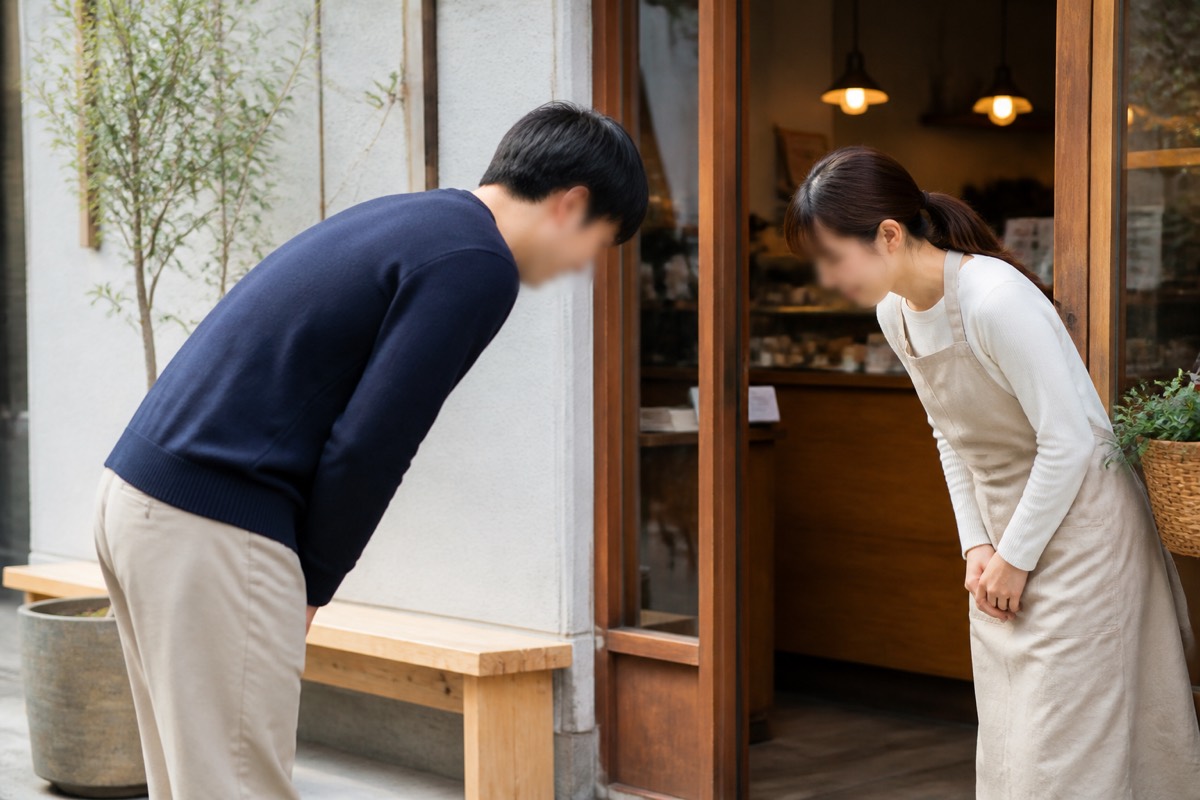
이름 or 성함 — which word for "name"?
The two words are not interchangeable, and picking the right one is the whole game. 이름 (ireum) is the ordinary word for name. 성함 (seongham) is the honorific word for someone else's name — you use it about the other person to show respect, and you never use it about yourself. So 이름이 어떻게 되세요? is the friendly, everyday polite question, while 성함이 어떻게 되세요? raises the register a notch: it is what a hotel clerk, a bank teller, or a younger person addressing a clearly senior stranger would reach for.
어떻게 되세요 is a softening frame Korean uses for personal information in general. It literally asks what something "becomes," which is an oddly indirect way to phrase a question — and that indirectness is exactly the courtesy. You will meet the same frame in 나이가 어떻게 되세요? (naiga eotteoke doeseyo?), "How old are you?" and 연락처가 어떻게 되세요? (yeollakcheoga eotteoke doeseyo?), "What's your contact number?" Learn to hear 어떻게 되세요 as a single polite unit and half the awkward first-meeting questions stop being awkward. The way age piggybacks on the exact same frame is worth reading next in how to ask someone's age in Korean.
이름이 뭐예요? is the plain version. Nothing about it is rude on its own — it is Pattern 15 in the SULSUL workbook, a question word (뭐, "what") plus 예요 — but it carries no cushion, so aiming it at someone who might be older lands a little flat. It is perfect for a child, a puppy's owner at the park, or a peer you are already relaxed with. In 반말 it drops to 이름이 뭐야? (ireumi mwoya?), which is friends-only territory.
You: 안녕하세요, 이름이 어떻게 되세요? — annyeonghaseyo, ireumi eotteoke doeseyo? — "Hello, what's your name?" Them: 저는 지민이에요. 이름이 어떻게 되세요? — jeoneun jimin ieyo. ireumi eotteoke doeseyo? — "I'm Jimin. And your name?" You: 저는 사라예요. 만나서 반가워요. — jeoneun sara yeyo. mannaseo bangawoyo. — "I'm Sara. Nice to meet you."
Practice this out loud with SULSUL — the app says it, you repeat it →
How do you give your own name back?
The answer template is 저는 ___이에요 or 저는 ___예요 (jeoneun ___ ieyo / yeyo), "I'm ___." Which ending you use depends on one sound: if your name ends in a consonant, use 이에요; if it ends in a vowel, use 예요.
| Your name ends in | Use | Example |
|---|---|---|
| a consonant (받침) | 이에요 | 저는 김이에요 — jeoneun kim ieyo |
| a vowel | 예요 | 저는 마리아예요 — jeoneun maria yeyo |
If you want to be a touch more formal, say 제 이름은 ___이에요 (je ireumeun ___ ieyo), "My name is ___," where 제 is the humble "my." Note you always answer with 이름, never 성함 — describing your own name with the honorific word would be like calling your own cooking "exquisite." And a small mercy for travelers: you can say your name exactly as it sounds in English. Koreans will happily approximate it, and if it is hard for them they may ask 영어 이름 있어요? (yeongeo ireum isseoyo?), "Do you have an English name?" — which is just them being helpful, not a demand to rename yourself.
There is also the register between "call me" and formal introduction. To offer what people should call you, use 그냥 ___라고 불러 주세요 (geunyang ___ rago bulleo juseyo), "Just call me ___." It is the graceful move when your full name is a mouthful for a Korean speaker.
What comes right after the name?
Names almost never arrive alone. In the same opening minute you will trade age, where you are from, and what you do, and Korean stacks these in a predictable order that you can prepare for. The most common follow-up is 어디에서 왔어요? (eodieseo wasseoyo?), "Where are you from?" answered with 저는 미국에서 왔어요 (jeoneun miguk-eseo wasseoyo), "I'm from the US." The full opening sequence — name, origin, age, job — is laid out phrase by phrase in Korean small talk phrases for total beginners.
One thing worth knowing before it happens: in Korea, the family name comes first. When someone says 저는 김지민이에요 (jeoneun kim jimin ieyo), 김 (Kim) is the surname and 지민 (Jimin) is the given name. If you only catch one part, catching the given name is what lets the conversation stay warm — though with someone older or senior, you will often attach a title rather than use the bare name at all, which is the whole subject of Korean family titles and how to address people in Korea.
What usually goes wrong
Using 성함 about yourself. 성함 is honorific and points only at the other person. Answer with 이름 every time — 저는 사라예요, never 제 성함은….
Aiming 이름이 뭐예요? upward. It is not offensive, just badly targeted. To anyone who might be older or in any semi-formal setting, use 이름이 어떻게 되세요? — or 성함이 어떻게 되세요? if you want to be extra respectful.
Mixing up 이에요 and 예요. Consonant-ending names take 이에요; vowel-ending names take 예요. Say it the wrong way and you will still be understood, but the vowel-ending 예요 on a consonant name (or the reverse) is the tell of a brand-new learner.
Expecting the given name first. Korean order is surname then given name. Do not assume the first syllable you hear is what you should call them by.
Skipping the greeting. Leading with a bare 이름이 어떻게 되세요? feels abrupt. Open with 안녕하세요 or 실례지만 (sillyejiman, "excuse me, but"), and the question stops sounding like an ID check.
Say it out loud, not just in your head
이름이 어떻게 되세요? is easy to read and surprisingly hard to produce in the half-second after someone has smiled and turned to you, waiting.
SULSUL is a speaking gym for exactly that moment: pick a survival pattern, say it out loud, get an instant fix from the AI pronunciation coach, then run the real introduction as a mission until it comes out without a stumble. The 100-pattern PDF workbook comes along as a bonus.