How to Call in Korean: 여보세요, 전화할게요, and Getting Through a Phone Call


To call someone in Korean is 전화하다 (jeonhwahada) — literally "to do a phone." "I'll call you" is 전화할게요 (jeonhwahalgeyo), "please call me" is 전화해 주세요 (jeonhwahae juseyo), and "I'll call you later" is 이따가 전화할게요 (ittaga jeonhwahalgeyo). When the call connects, both sides open with 여보세요? (yeoboseyo?), the phone-only "hello." If you only remember one more line, make it 천천히 말해 주세요 (cheoncheonhi malhae juseyo) — "please speak slowly" — because on the phone you lose the gestures, the menu you can point at, and the face you can read.
- Hello? (phone only) — 여보세요? (yeoboseyo?)
- I'll call you — 전화할게요 (jeonhwahalgeyo)
- I'll call you later — 이따가 전화할게요 (ittaga jeonhwahalgeyo)
- Please call me — 전화해 주세요 (jeonhwahae juseyo)
- Call me anytime — 언제든지 전화하세요 (eonjedeunji jeonhwahaseyo)
- What's your phone number? — 전화번호가 뭐예요? (jeonhwabeonhoga mwoyeyo?)
- Is this [name]? — [name] 씨 맞으세요? (ssi majeuseyo?)
- Please speak slowly — 천천히 말해 주세요 (cheoncheonhi malhae juseyo)
- I couldn't answer your call — 전화 못 받았어요 (jeonhwa mot badasseoyo)
- I'll call you as soon as I arrive — 도착하자마자 전화할게요 (dochakajamaja jeonhwahalgeyo)
전화하다: the one verb behind every call
Korean does not have a separate verb for "call" the way English does. It takes the noun 전화 (phone, phone call) and adds 하다 (do). That means everything you already know about 하다 verbs works here: 전화해요 (I call), 전화했어요 (I called), 전화할 거예요 (I'm going to call).
Two neighbours are worth knowing. 전화를 받다 (jeonhwareul batda) is "to answer the phone" — literally "to receive a call." 전화를 걸다 (jeonhwareul geolda) is "to dial, to place a call," a slightly more formal way to say the same thing as 전화하다. You will hear 걸다 in recorded messages and on signs; in conversation, 전화하다 does almost all the work.
One thing that surprises English speakers: "call" in the sense of naming someone is a different verb entirely — 부르다 (bureuda). "What should I call you?" is 뭐라고 부를까요? If you are calling a waiter over, that is 저기요, not 전화. Keep 전화 for the phone.
Practice this out loud with SULSUL — the app says it, you repeat it →
여보세요 — how a Korean call opens
Pick up a Korean call and the first word is 여보세요?, said with a rising tone, almost as a question. The caller says it too. It exists only on the phone — said face to face, it sounds like "hello, is anyone there?" to someone who is ignoring you.
After 여보세요, the caller identifies themselves with a pattern you will use constantly: 저 [name]인데요 — "It's [name]." The 인데요 ending softens the sentence and signals there's more coming, which is exactly what you want at the start of a call:
- 여보세요? 저 민지인데요. — "Hello? It's Minji."
- 여보세요, 302호인데요. — "Hello, this is room 302."
- 여보세요, 예약했던 사람인데요. — "Hello, I'm the one who made a reservation."
If you are not sure you reached the right person, ask: 김민수 씨 맞으세요? — "Is this Kim Minsu?" The answer is 네, 맞아요 (yes, that's me) or 아니에요, 잘못 거셨어요 (no, you have the wrong number).
전화할게요 — promising to call
The ending -(으)ㄹ게요 is how Korean makes a promise to the person in front of you. It is not just "I will" in the abstract; it means "I'll do this, for you, and you can count on it." That is why it fits phone calls so well.
- 이따가 전화할게요. — "I'll call you later (today)."
- 내일 다시 전화할게요. — "I'll call again tomorrow."
- 도착하자마자 전화할게요. — "I'll call as soon as I land."
That last one adds -자마자, "as soon as." Attach it to a verb stem (도착하다 → 도착하자마자) and you have the sentence every parent wants to hear before you get on a plane. It works for texts too: 도착하자마자 문자할게요 — "I'll text as soon as I arrive."
If you are mid-errand and cannot talk, Korean has a neat way to explain why: 지금 가는 길인데 이따가 전화할게요 — "I'm on my way somewhere right now, so I'll call you later." The -는 길인데 part means "on the way," and it is one of the most natural phone sentences in the language.
Calling a restaurant, hotel, or shop
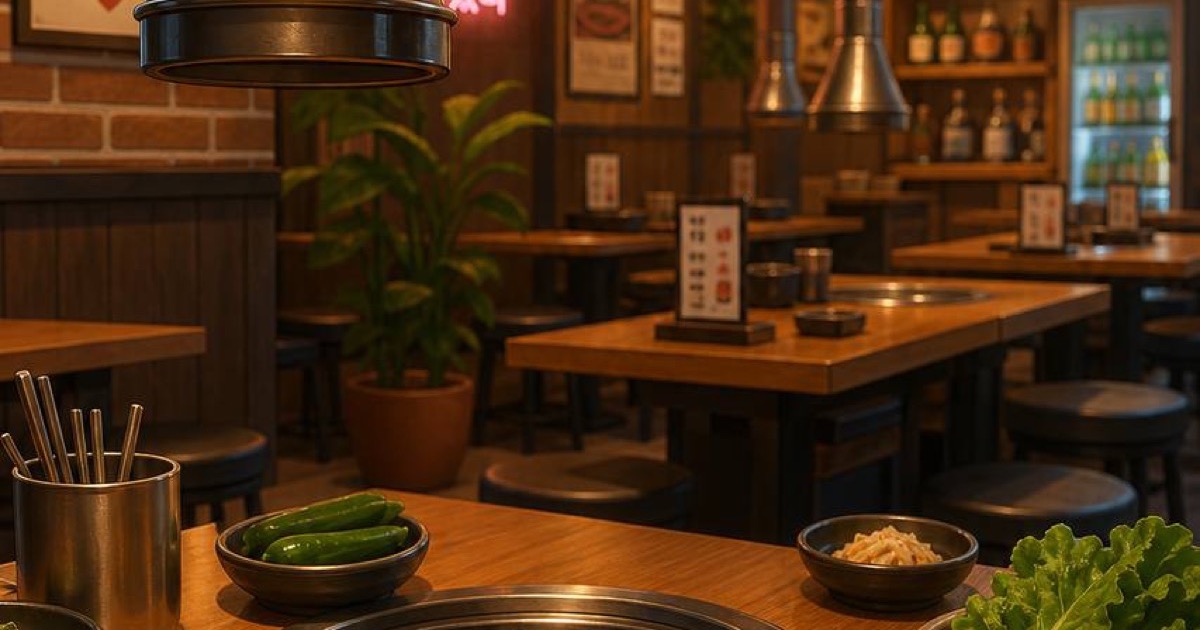
Most phone calls a traveler makes are short and predictable: booking a table, checking opening hours, telling a hotel you will arrive late. The structure is always the same — 여보세요 → who you are → what you need → 감사합니다.
Booking a table:
You: 여보세요, 예약하고 싶은데요. — yeoboseyo, yeyakago sipeundeyo — "Hello, I'd like to make a reservation." Staff: 네, 몇 분이세요? — "Sure, how many people?" You: 두 명이요. 오늘 저녁 일곱 시요. — "Two. Tonight at seven." Staff: 성함이 어떻게 되세요? — "May I have your name?" You: 에밀리예요. — "It's Emily." Staff: 네, 예약됐습니다. — "You're booked." You: 감사합니다!
Telling a hotel you'll be late:
You: 여보세요, 오늘 체크인하는 사람인데요, 좀 늦을 것 같아요. — "Hello, I'm checking in today, and I think I'll be a little late."
Checking hours:
You: 오늘 몇 시까지 해요? — "Until what time are you open today?"
Notice that 인데요 keeps showing up. It is the polite phone-call glue: it sets the scene before your real request and keeps you from sounding abrupt.
When you missed a call, or need one
Koreans call back fast and expect the same, so you will need a way to explain a missed call. The pattern -느라고 gives the reason you could not do something:
- 회의하느라고 전화 못 받았어요. — "I couldn't pick up because I was in a meeting."
- 운전하느라고 못 받았어요. — "I was driving, so I couldn't answer."
To ask someone to call you at a specific moment, use -기 전에 (before): 출발하기 전에 전화해 주세요 — "Please call me before you leave." That is the exact sentence you give a delivery driver or a friend picking you up.
And when someone tells you 언제든지 전화하세요 — "call anytime" — they mean it as warmth. The natural reply is 감사합니다, 그럴게요 — "Thank you, I will."
When the call gets hard
Phone Korean is faster and blurrier than face-to-face Korean. These lines buy you time without ending the call:
- 천천히 말해 주세요. — "Please speak slowly."
- 다시 한 번 말해 주세요. — "Could you say that once more?"
- 잘 안 들려요. — "I can't hear you well."
- 문자로 보내 주실 수 있어요? — "Could you send it by text?"
That last one is the real lifesaver. Addresses, times, and reservation numbers are much easier to read than to catch by ear, and Korean staff are used to texting details.
Mistakes that show up on the phone
Opening with 안녕하세요 instead of 여보세요. Not wrong, just slightly off. On the phone, 여보세요 comes first; 안녕하세요 can follow once you know who is there.
Using 전화할 거예요 as a promise. It means "I'm planning to call," a statement about your schedule. 전화할게요 is the one that reassures the listener.
Hanging up without a closing. Korean calls end with 네, 들어가세요 (ne, deureogaseyo) — a phone-only goodbye that roughly means "take care" — or simply 네, 감사합니다. Cutting the line right after the information sounds cold.
Using 부르다 for the phone. 부르다 is calling a name or calling someone over. Calling on the phone is always 전화.

Practice the call before the phone rings
여보세요, 예약하고 싶은데요 looks easy written down, and then the phone connects, someone answers fast, and the words disappear. Phone calls are the hardest place to speak Korean because nothing on the table can help you.
SULSUL is a speaking gym built for exactly that gap: pick a pattern, say it out loud, get an instant fix from the AI pronunciation coach, then run the whole exchange as a mission. The 100-pattern PDF workbook comes along as a bonus.