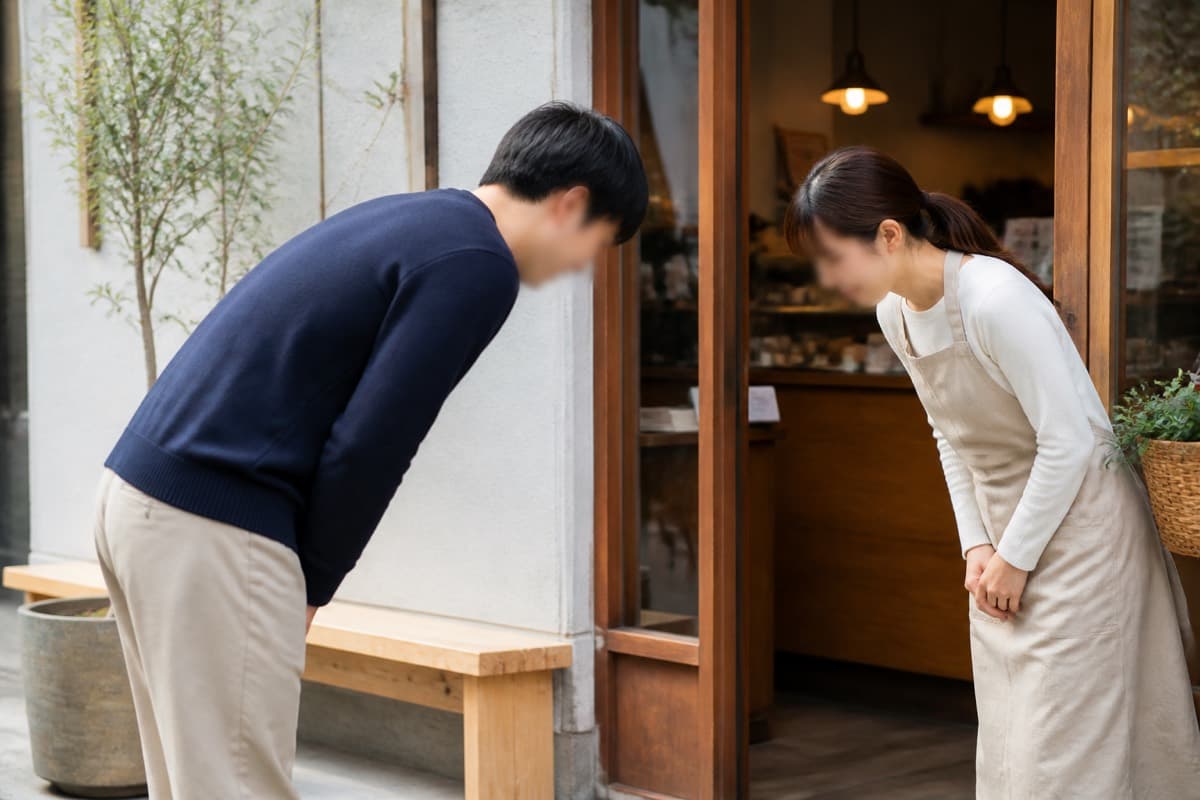
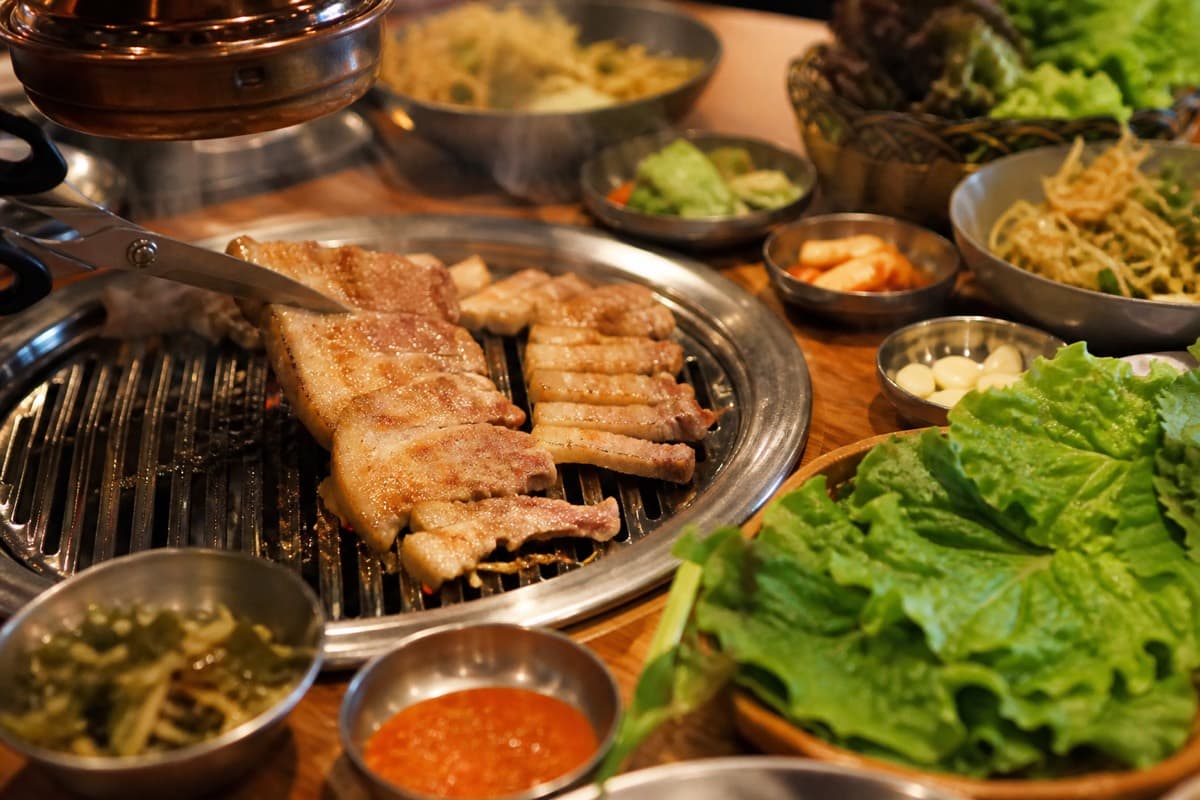
Korean Waiter Phrases: What Restaurant Staff Say to You, and How to Answer (몇 분이세요?)

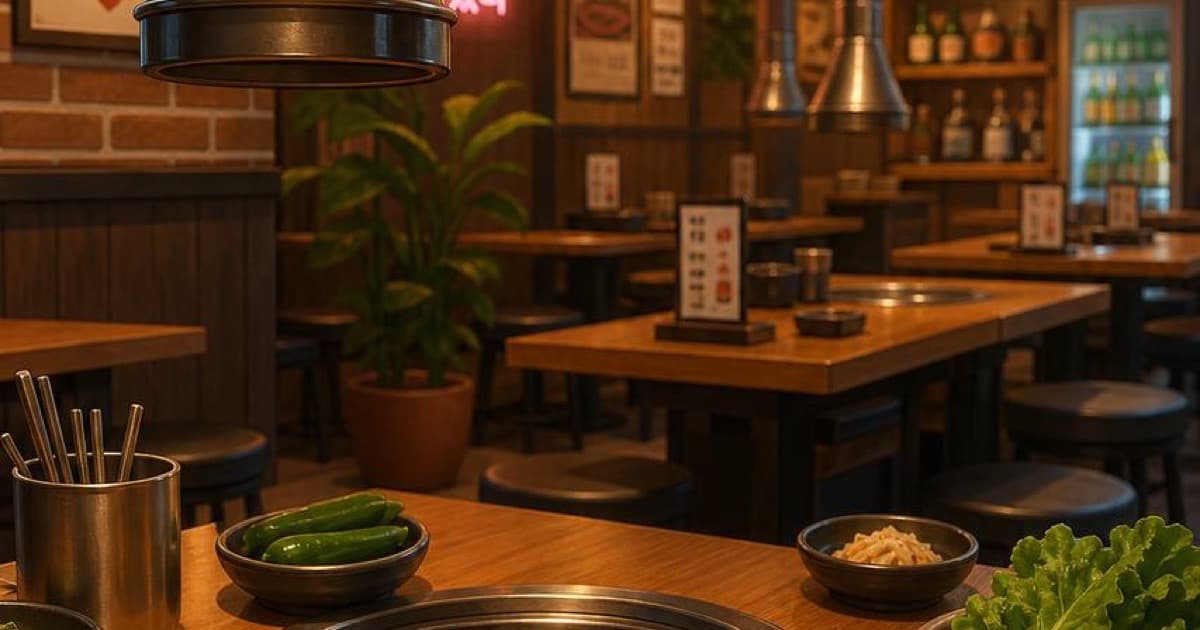
Korean waiters say the same handful of lines at every meal, and they come in a fixed order. At the door you hear 어서 오세요 (eoseo oseyo), "welcome." Then 몇 분이세요? (myeot buniseyo?), "how many people?" — answer 두 명이요 (du myeongiyo), "two." When you are ready, 주문하시겠어요? (jumunhasigesseoyo?), "would you like to order?" And at a counter, 드시고 가세요? (deusigo gaseyo?), "eating here?" — answer 먹고 갈게요 (eat here) or 포장이요 (to go). Learn to catch those four and you can answer everything else with a word or two.
- 어서 오세요 (eoseo oseyo) — "Welcome." You can just nod, or say 안녕하세요.
- 몇 분이세요? (myeot buniseyo?) — "How many of you?" → 세 명이요 / 혼자예요.
- 주문하시겠어요? (jumunhasigesseoyo?) — "Ready to order?" → 이거 주세요 / 잠깐만요.
- 드시고 가세요? (deusigo gaseyo?) — "For here?" → 먹고 갈게요 / 포장이요.
- 결제 도와드릴게요 (gyeolje dowadeurilgeyo) — "I'll ring you up." → hand over your card.
The tricky part is not speaking. It is hearing. Staff talk fast, they use extra-polite verb endings you may not have studied, and they often drop half the sentence. Below, each line is unpacked in the order it reaches you, with the answer that fits.
Why waiter Korean sounds harder than what you studied
Restaurant staff speak to customers in honorific Korean. They add -시- to the verb to raise you up: 앉다 (sit) becomes 앉으세요, 주문하다 (order) becomes 주문하시겠어요, and 먹다 (eat) is swapped for the special honorific verb 드시다. You do not need to use these forms yourself — your normal -요 Korean is perfectly polite as a customer. But if you only know 먹어요, the word 드세요 can fly right past you.
Two more habits make it fast:
- Counting people with 분. Staff count you with 분 (bun), the honorific counter for people. You answer with the plain counter 명 (myeong). 몇 분이세요? → 두 명이요. Never call yourself 분.
- Clipped endings. In a busy place 드시고 가세요? shrinks to 드시고 가요? or even 여기서 드세요? The key word stays the same, so listen for it rather than the full sentence.
Practice this out loud with SULSUL — the app says it, you repeat it →
At the door: 어서 오세요 and 몇 분이세요?
어서 오세요 is said to everyone, often shouted from the kitchen by several people at once. It is not a question. A small nod or 안녕하세요 is enough; you do not need to answer it.
The real question comes right after: 몇 분이세요? Hold up fingers if you like, but say the number with 명, using native Korean numbers:
| You are | Say |
|---|---|
| Alone | 혼자예요 (honjayeyo) or 한 명이요 (han myeongiyo) |
| Two | 두 명이요 (du myeongiyo) |
| Three | 세 명이요 (se myeongiyo) |
| Four | 네 명이요 (ne myeongiyo) |
This is textbook Pattern 05, (N)이에요/예요 — "it is N." The short -이요 version is how people actually answer a quick question: just the noun plus 요. Then you will hear 이쪽으로 오세요 (ijjogeuro oseyo), "this way," or 편한 데 앉으세요 (pyeonhan de anjeuseyo), "sit wherever you like." That second one means no one will seat you — pick a table.
If the place is full you may hear 잠시만 기다려 주세요 (jamsiman gidaryeo juseyo), "please wait a moment," or 대기 있어요 (daegi isseoyo), "there is a wait." Some places hand you a tablet to put your name and phone number in.
At the table: 주문하시겠어요? and the follow-up questions
When staff come over, the line is 주문하시겠어요? or the shorter 뭐 드릴까요? (mwo deurilkkayo?), "what can I get you?" Answer with Pattern 01, (N) 주세요:
- 이거 주세요 (igeo juseyo) — "This one, please," while pointing.
- 김치찌개 두 개 주세요 (gimchijjigae du gae juseyo) — "Two kimchi stews, please."
- 잠깐만요 (jamkkanmanyo) — "Just a moment," if you are not ready.
If no one comes, you are expected to call them — that is its own skill, covered in how to call a waiter in Korean.
After you order, the follow-up questions are where people freeze. These are the common ones:
| Staff say | Meaning | Short answer |
|---|---|---|
| 맵게 해 드릴까요? (maepge hae deurilkkayo?) | "Shall I make it spicy?" | 보통으로요 (medium) / 안 맵게요 (not spicy) |
| 밥 드릴까요? (bap deurilkkayo?) | "Want rice with that?" | 네, 주세요 / 괜찮아요 |
| 음료는요? (eumnyoneunyo?) | "And drinks?" | 물이면 돼요 (water is fine) |
| 더 필요한 거 있으세요? (deo piryohan geo isseuseyo?) | "Anything else?" | 아니요, 괜찮아요 |
| 이건 셀프예요 (igeon selpeuyeyo) | "This one is self-serve" | 아, 네! — then go get it |
Notice 괜찮아요 (gwaenchanayo). In a restaurant it usually means "no thanks," not "it's okay, give it to me." If you want the thing, say 네, 주세요.
A short scene: lunch for two
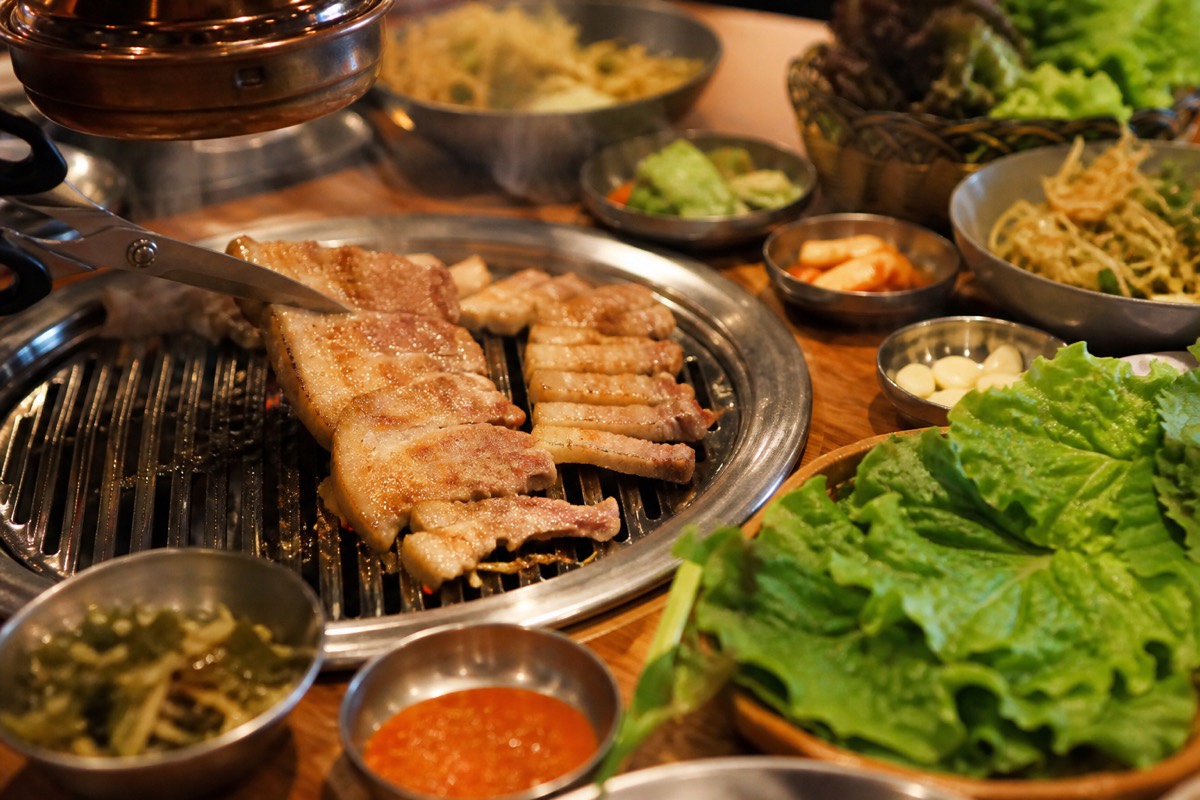
Here is how those lines land in one real meal.
Staff: 어서 오세요! 몇 분이세요? eoseo oseyo! myeot buniseyo? — "Welcome! How many?"
You: 두 명이요. du myeongiyo. — "Two."
Staff: 편한 데 앉으세요. pyeonhan de anjeuseyo. — "Sit wherever you like."
Staff: 주문하시겠어요? jumunhasigesseoyo? — "Ready to order?"
You: 비빔밥 하나, 김치찌개 하나 주세요. bibimbap hana, gimchijjigae hana juseyo. — "One bibimbap and one kimchi stew, please."
Staff: 찌개 맵게 해 드릴까요? jjigae maepge hae deurilkkayo? — "Make the stew spicy?"
You: 조금만요. jogeummanyo. — "Just a little."
Staff: 네, 금방 나와요. ne, geumbang nawayo. — "Okay, it'll be right out."
That last line, 금방 나와요, is one more to file away: "it comes out soon." When the food arrives you may also hear 맛있게 드세요 (masitge deuseyo), "enjoy your meal." A smile and 감사합니다 is the answer.
At the counter: 드시고 가세요? and paying
At cafés, bakeries, kimbap shops, and fast food, the first question at the counter is 드시고 가세요? — literally "will you eat and go?", meaning "for here?" Two answers:
- 먹고 갈게요 (meokgo galgeyo) — "I'll eat here."
- 포장이요 (pojangiyo) or 포장해 주세요 — "To go."
You might also hear the reverse, 포장이세요? (pojangiseyo?), "to go?" Answer 네 or 아니요, 먹고 갈게요. If you want to bring leftovers home at a sit-down restaurant, the phrases are in the guide to the to-go box in Korean.
Paying comes with its own short script:
| Staff say | Meaning | Short answer |
|---|---|---|
| 계산 도와드릴게요 / 결제 도와드릴게요 | "I'll take your payment" | Hand over the card |
| 카드 꽂아 주세요 (kadeu kkoja juseyo) | "Insert your card" | Push it into the reader |
| 같이 계산하세요? (gachi gyesanhaseyo?) | "Paying together?" | 같이요 / 따로 할게요 |
| 영수증 드릴까요? (yeongsujeung deurilkkayo?) | "Want the receipt?" | 네, 주세요 / 괜찮아요 |
| 포인트 적립하세요? (pointeu jeongnipaseyo?) | "Collect points?" | 아니요, 괜찮아요 |
The points question catches almost every visitor at chain cafés and convenience stores. You can always answer 아니요, 괜찮아요.
When you leave, staff say 안녕히 가세요 (annyeonghi gaseyo), "go well," or 또 오세요 (tto oseyo), "come again." Answer 잘 먹었습니다 (jal meogeotseumnida), "I ate well" — the full story of that line is in what to say before and after eating.
Mistakes that confuse the staff
- Answering 몇 분이세요? with 분. "두 분이에요" honors yourself. Say 두 명이요.
- Using Sino-Korean numbers for people. 이 명 sounds wrong; it is 두 명. Same for dishes: 두 개, not 이 개.
- Saying 괜찮아요 when you mean yes. Staff will take it as a polite no and walk away.
- Freezing on a question you didn't catch. Use Pattern 22: 다시 한 번 말씀해 주세요 (dasi han beon malsseumhae juseyo), "Could you say that once more?" Or simply 네? with a rising tone — Koreans say it all the time, and staff will repeat.
- Echoing the honorific verbs back. You don't need 드시다 or -시- for yourself. "먹고 갈게요" is correct; "드시고 갈게요" sounds like you are honoring your own mouth.
Practice the answers before you walk in
Read this list once and the words will look familiar. Say it out loud and they will come out when a waiter is standing over you. Run the scene above with a friend playing the staff: one asks 몇 분이세요?, 주문하시겠어요?, 드시고 가세요?, 영수증 드릴까요?, and you answer each in two or three words. When the answers come back without a pause, you are ready for any Korean restaurant.
From reading the menu to answering out loud
Every answer on this page is built from a few core textbook patterns — 주세요, 이에요/예요, and 다시 말해 주세요 — used again and again.
SULSUL is a speaking gym for exactly that: pick a pattern, say it out loud, get an instant fix from the AI pronunciation coach, then run the real situation as a mission. The 100-pattern PDF workbook comes along as a bonus.