How to Say Hi in Korean: 안녕, 안녕하세요, and the Hellos Koreans Actually Use

To say hi in Korean, say 안녕하세요 (annyeong-haseyo). It works with strangers, shop staff, your friend's parents, and anyone older than you — it is the one hello you can never get wrong. With a close friend your own age or younger, shorten it to 안녕 (annyeong), which is the true casual "hi." Those two cover almost every first word you will need in Korea.
- 안녕하세요 (annyeong-haseyo) — "Hi / Hello." Polite. Your default.
- 안녕 (annyeong) — "Hi." Casual. Close friends and kids only.
- 반가워요 (bangawoyo) — "Nice to see you." Said right after hello.
- 오랜만이에요 (oraenman-ieyo) — "Long time no see."
- 여보세요 (yeoboseyo) — "Hello?" On the phone only.
The rest of this page is about the moments where "hi" in Korean is not just 안녕하세요 — and the small replies that make you sound like you have done this before.
What 안녕하세요 actually says
안녕 means "peace" or "well-being." 안녕하세요 is literally "Are you at peace?" — but nobody hears it that way anymore, in the same way nobody hears "goodbye" as "God be with you." It is simply hello.
Three things make it easier to say well:
- It is one breath, not five syllables. Native speakers blur it into something close to annyeong-haseyo, with the stress on the start and the end falling softly. Saying each syllable separately — an-nyeong-ha-se-yo — is the clearest sign of a textbook learner.
- The answer is the same word. When someone says 안녕하세요, you say 안녕하세요 back. No "fine, thanks" is needed.
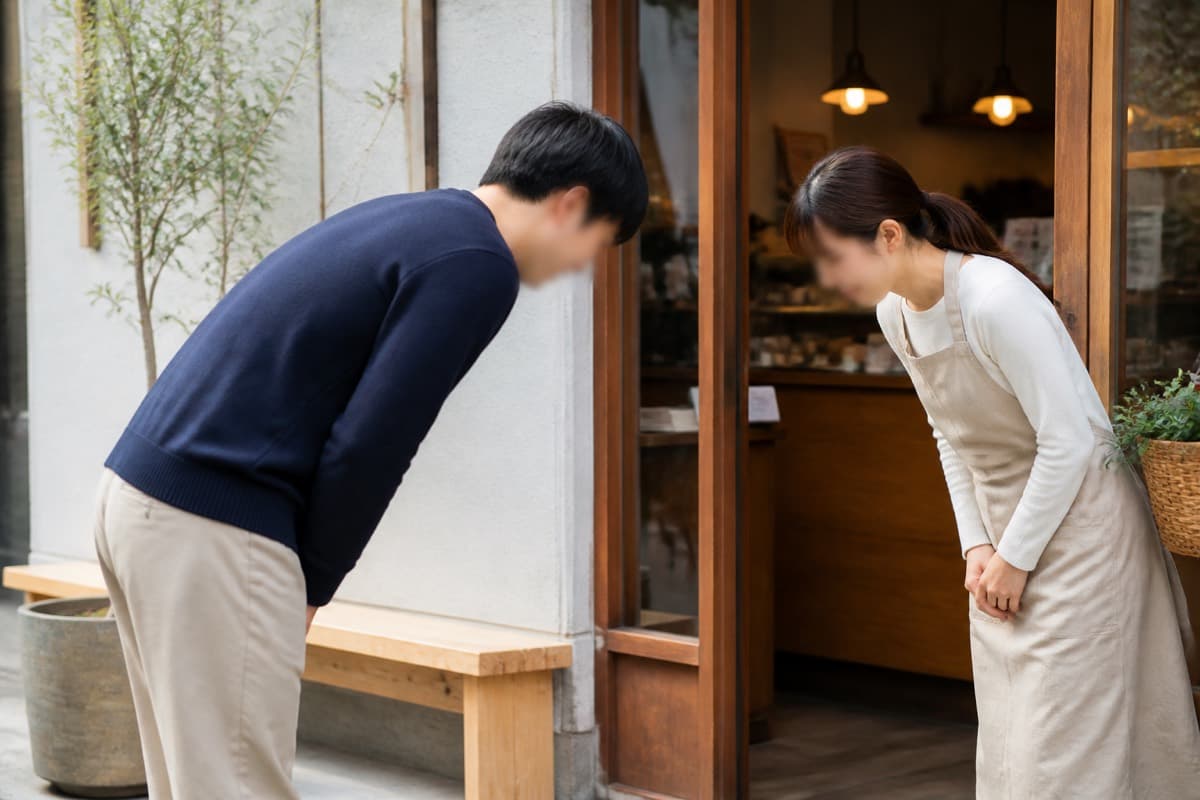
- A small bow does half the work. A slight nod of the head as you say it is normal with anyone older or anyone serving you. A big bow is for formal situations; a nod is enough for a cafe.
If you want the full ladder — when to use the very formal 안녕하십니까 and how the levels change with age and rank — that is in how to greet someone in different Korean politeness levels. For everyday life, 안녕하세요 and 안녕 are all you need.
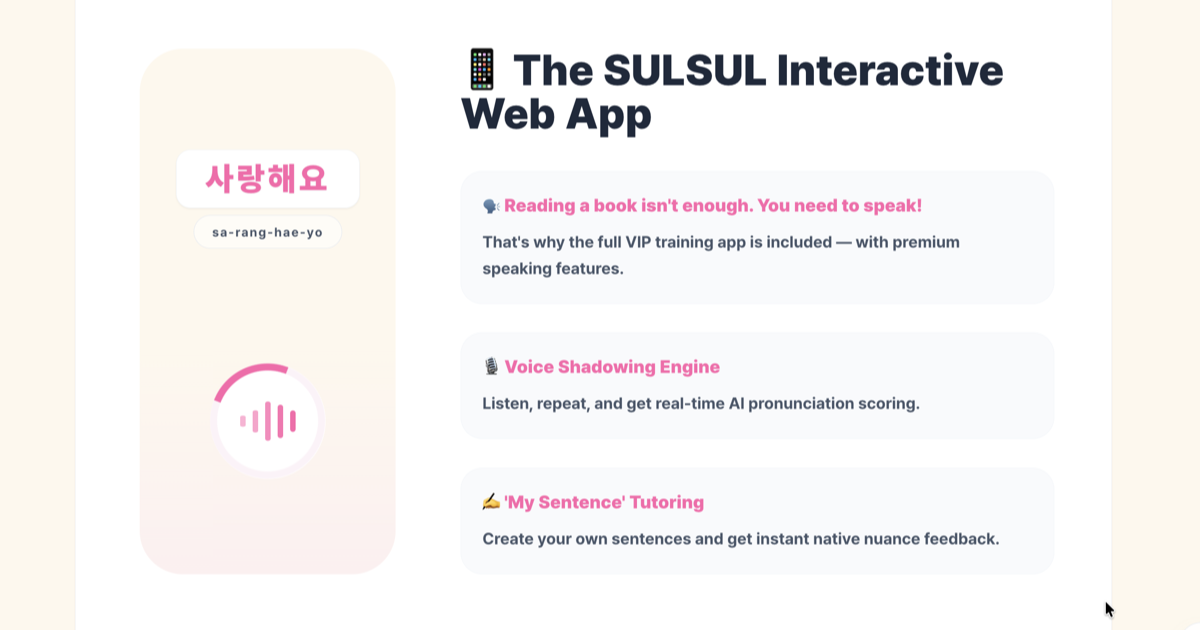
Practice this out loud with SULSUL — the app says it, you repeat it →
When 안녕 is the right "hi"
안녕 is casual Korean, called 반말 (banmal). The textbook rule is simple: use the polite 요 ending with people who are older, people you have just met, and anyone in a formal setting. Drop it only with close friends or people younger than you.
So 안녕 is perfect for:
- a Korean friend your age who has already switched to casual speech with you,
- a child,
- a pet, which Koreans greet constantly — 안녕! to a dog on the street is completely normal.
It is wrong for a shopkeeper, a taxi driver, or your language partner's mother. Saying 안녕 to an older stranger sounds like patting them on the head.
A friendly middle option is 안녕하세요 with a smile and then switching to casual only when the other person does. Koreans often say 말 편하게 하세요 (mal pyeonhage haseyo, "feel free to speak casually") when they are ready. That is your signal.
The hellos that don't sound like hello
This is where Korean surprises people. Between friends, coworkers, and neighbors, the greeting is often a question that is not really a question.
밥 먹었어요? (bap meogeosseoyo?) — "Have you eaten?" It is not a dinner invitation and it is not a survey of your lunch. It means "How are you doing? I care about you." The standard answer is simply 네, 먹었어요 (ne, meogeosseoyo, "Yes, I ate"), even if it was only a coffee. With someone older, the polite version is 식사하셨어요? (siksa-hasyeosseoyo?).
어디 가요? (eodi gayo?) — "Where are you going?" said to a neighbor in the hallway. Again, it is a greeting. 잠깐 마트요 (jamkkan mateuyo, "Just to the store") is plenty.
오랜만이에요! (oraenman-ieyo!) — "Long time no see!" Use it with anyone you have not seen in a while. Casual: 오랜만이야! Add 잘 지냈어요? (jal jinaesseoyo?, "Have you been well?") right after — the full exchange is in how to say how are you in Korean.
반가워요 (bangawoyo) — "Glad to see you." It usually follows 안녕하세요 when you meet someone, especially for the first time: 안녕하세요, 반가워요! The more formal first-meeting line is 처음 뵙겠습니다 (cheoeum boepgetseumnida, "Nice to meet you" — literally "I see you for the first time").

Saying hi on the phone and in shops
On the phone, hello is 여보세요. It only exists on calls — you would never say 여보세요 to someone's face unless you were trying to get the attention of someone who is not listening. Pick up, say 여보세요? with a rising tone, and wait.
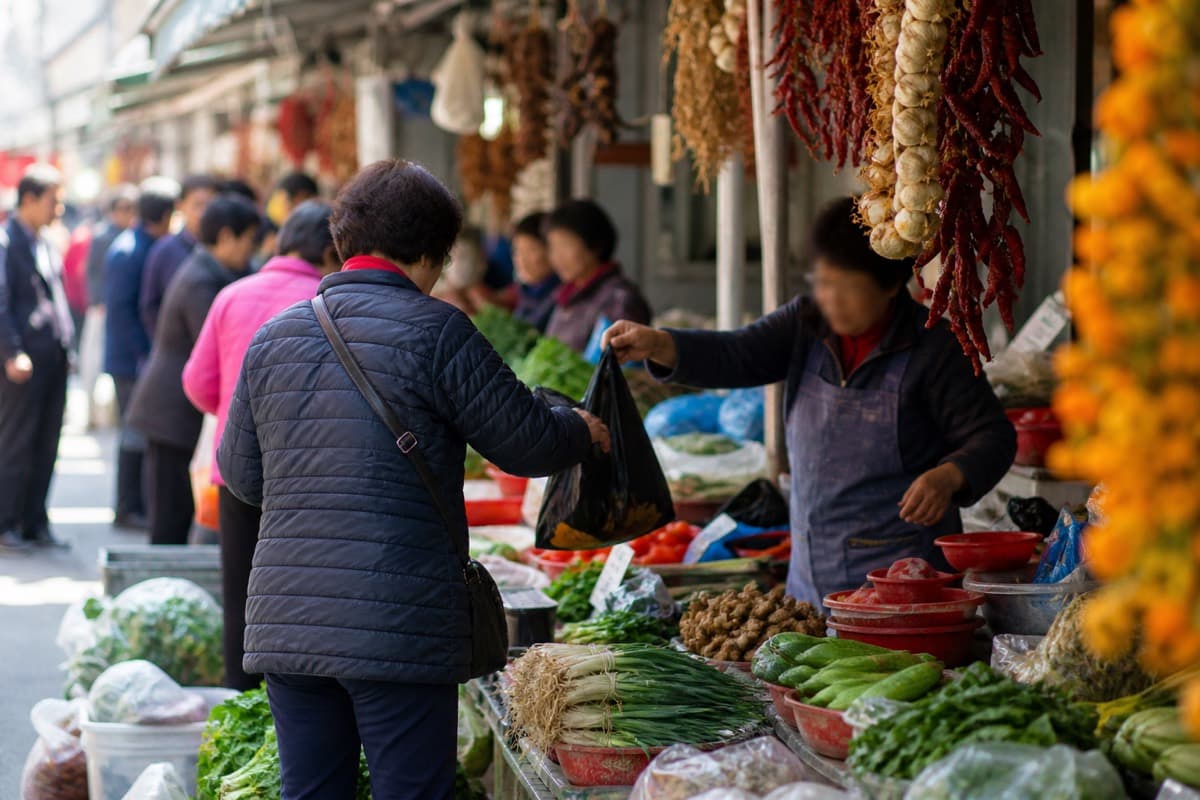
In shops, the staff says hi first. Walk into almost any store, cafe, or restaurant and you will hear 어서 오세요! (eoseo oseyo!, "Welcome!"). You don't have to answer — many Koreans just nod. But a short 안녕하세요 back makes the staff warmer instantly, and it costs you nothing.
When you leave, don't say hi again. Say 안녕히 계세요 (annyeonghi gyeseyo, "Stay well") to the person staying, or 수고하세요 (sugohaseyo), a warm "Keep up the good work" Koreans say to staff who are still working. How to say goodbye in Korean explains which goodbye goes to whom.
A real greeting, start to finish
You run into a Korean classmate outside the subway:
Them: 어? 안녕하세요! 오랜만이에요! — eo? annyeong-haseyo! oraenman-ieyo! — "Oh! Hi! Long time no see!"
You: 와, 안녕하세요! 진짜 오랜만이에요. 잘 지냈어요? — wa, annyeong-haseyo! jinjja oraenman-ieyo. jal jinaesseoyo? — "Wow, hi! It really has been a while. Have you been well?"
Them: 네, 잘 지냈어요. 밥 먹었어요? — ne, jal jinaesseoyo. bap meogeosseoyo? — "Yes, I've been good. Have you eaten?"
You: 네, 먹었어요. 다음에 밥 한번 같이 먹어요! — ne, meogeosseoyo. daeume bap hanbeon gachi meogeoyo! — "Yes, I ate. Let's grab a meal sometime!"
That last line is the Korean way to close a friendly hello. Like "we should get coffee," it does not have to become a real plan — it means "I'm glad we ran into each other."
Mistakes that make "hi" sound off
Using 안녕 with everyone. It is the first word many learners pick up from dramas, where characters are friends or family. With strangers, it sounds rude rather than friendly.
Answering 밥 먹었어요? with a menu. You can, but you don't need to. 네, 먹었어요 closes the greeting the way "Good, you?" does in English.
Saying 여보세요 face to face. It is a phone word. In person, it sounds like you are asking "Hello, is anyone there?"
Bowing deeply to a cashier. A slight nod is the right size. A deep bow in a convenience store looks like an apology.
Saying 안녕하세요 when leaving. 안녕하세요 is only for arriving. On your way out, it's 안녕히 계세요 or 수고하세요.
Practice the four hellos out loud
Say each line three times, with a small nod on the first one:
- 안녕하세요, 반가워요! — meeting someone.
- 오랜만이에요! 잘 지냈어요? — seeing someone again.
- 네, 먹었어요. — answering 밥 먹었어요?
- 여보세요? — picking up the phone.
The first one should come out without thinking. If you hesitate even half a second on 안녕하세요, keep repeating it until it feels like one word.
From reading hello to saying it first
Knowing 안녕하세요 is easy. Saying it first, at normal speed, when a shop owner looks up and says 어서 오세요 — that is the part that takes practice, and it is where most learners go quiet.
SULSUL is a speaking gym for that moment: pick a pattern, say it out loud, get an instant fix from the AI pronunciation coach, then run the real situation as a mission. The 100-pattern PDF workbook comes along as a bonus.