How to Say How Are You in Korean: 잘 지냈어요?


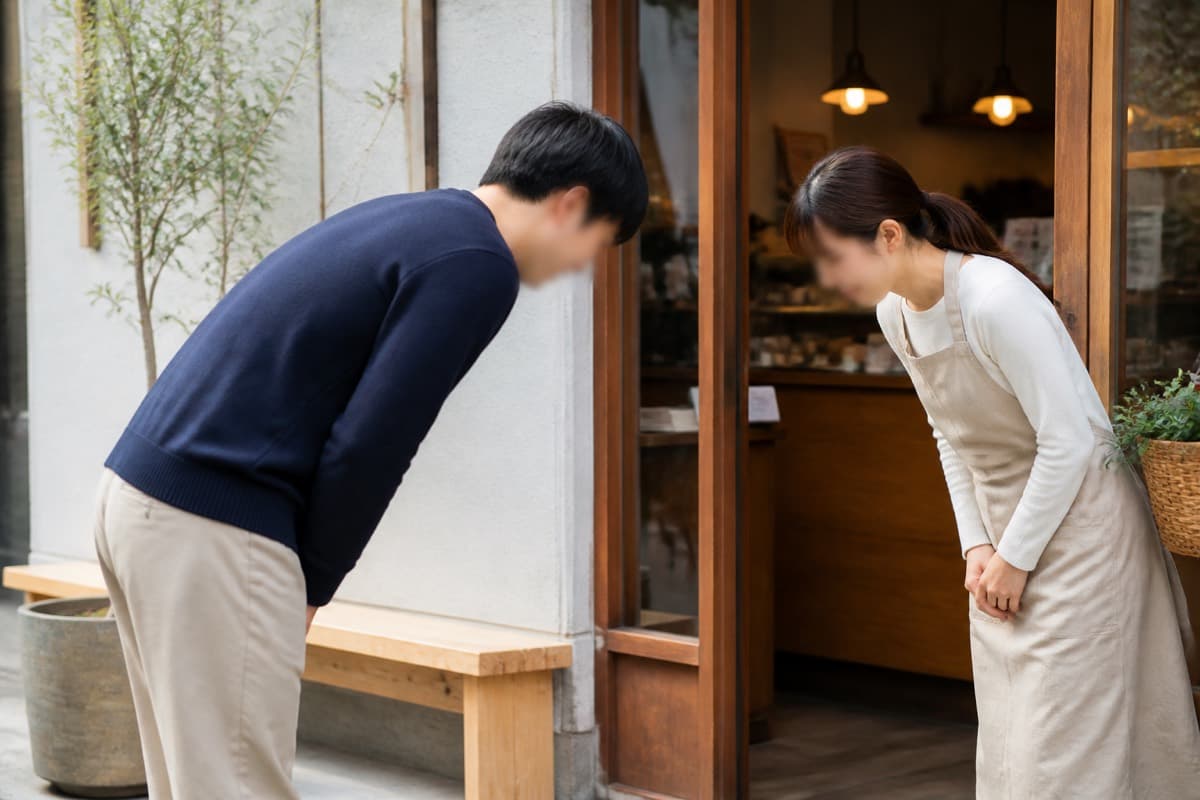
The phrase that matches "how are you" word for word is 어떻게 지내세요? (eotteoke jinaeseyo?), and it is correct — but Koreans say it far less often than English speakers say "how are you." The one you actually want, for someone you have not seen in weeks or months, is 잘 지냈어요? (jal jinaesseoyo?), "have you been well?" For someone you see all the time — a coworker, a neighbour, your partner's mother — the everyday version is 밥 먹었어요? (bap meogeosseoyo?), which translates as "have you eaten?" and means "I care how you're doing." And for the cashier, the taxi driver, the person who just walked into the room: nothing. 안녕하세요 on its own is the whole greeting. English stacks "hello" and "how are you" into one breath; Korean does not, and adding the second half to a stranger makes them stop and answer you seriously.
- How have you been? — 잘 지냈어요? (jal jinaesseoyo?)
- How have you been? (to someone older) — 잘 지내셨어요? (jal jinaesyeosseoyo?)
- How are things these days? — 요즘 어때요? (yojeum eottaeyo?)
- Have you eaten? (everyday care) — 밥 먹었어요? (bap meogeosseoyo?)
- Have you eaten? (to an elder) — 식사하셨어요? (siksahasyeosseoyo?)
- I've been well — 잘 지냈어요 (jal jinaesseoyo)
- So-so — 그냥 그래요 (geunyang geuraeyo)
- And you? — ○○ 씨는요? (ssineunyo?)
안녕하세요 is already the question
안녕하세요 is not "hello." It is built on 안녕 (annyeong), meaning peace or well-being, and the sentence literally asks whether you are at peace. The English greeting that matches it most closely is not "hi" — it is "how are you," asked in the way nobody expects a real answer to.
That single fact fixes the most common beginner habit. Walking up to a shop assistant and saying 안녕하세요, 어떻게 지내세요? is asking the same thing twice, the second time sincerely, to someone who has no idea who you are. The correct move is to say 안녕하세요 and stop. If they say it back, the exchange is complete. Which form of it you use — 안녕하세요, the flatter 안녕하십니까, or the casual 안녕 — depends on the room, and that split is laid out in how to greet someone in different Korean politeness levels.
Practice this out loud with SULSUL — the app says it, you repeat it →
잘 지냈어요? — the one that means "how have you been"
Save this for people you already know and have not seen for a while. The verb 지내다 (jinaeda) means to get by, to spend your days, to be doing, and 잘 (jal) means well. Note the tense: 지냈어요 is past, covering the stretch of time since you last met. 잘 지내요? in the present tense asks how life is going right now, which is a softer, vaguer question and less common as a greeting.
| Say this | Romanization | To whom |
|---|---|---|
| 잘 지내셨어요? | jal jinaesyeosseoyo? | someone older, a boss, your friend's parents |
| 잘 지냈어요? | jal jinaesseoyo? | the safe default — coworkers, acquaintances |
| 잘 지냈어? | jal jinaesseo? | close friends, anyone younger |
| 잘 지내셨습니까? | jal jinaesyeossseumnikka? | formal, business, a client |
Almost nobody says it alone. It arrives glued to 오랜만이에요 (oraenmanieyo), "long time no see," so the full greeting is 오랜만이에요! 잘 지냈어요? — and that pair covers every reunion from a returning coworker to a friend you last saw before the pandemic. The 셨 in 잘 지내셨어요? is the honorific infix, the same piece of grammar that turns 먹었어요 into 식사하셨어요; it costs one syllable and buys a lot of goodwill with anyone a generation above you.
밥 먹었어요? is not a question about food
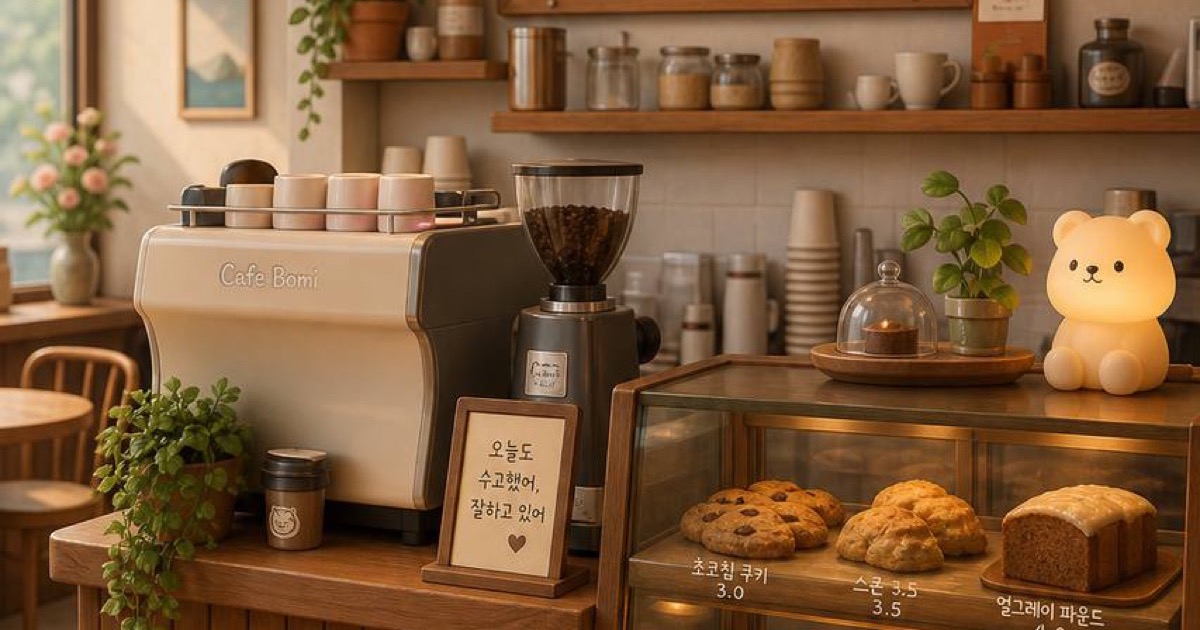
This is the one that confuses learners most, and it is the one you will hear most. Asking whether someone has eaten is not checking their meal status. It is an expression of care that means "how are you doing these days — I'm thinking about you." Koreans ask it in the morning, in the afternoon, over the phone, in text messages, and to people they just fed an hour ago.
To someone older, upgrade it: 식사하셨어요? (siksahasyeosseoyo?). 식사 is the polite word for a meal, and the 하셨 carries the honorific. Your partner's mother gets this version; your gym friend gets 밥 먹었어요?
You do not need to describe what you ate. Two answers cover almost everything:
네, 먹었어요. — ne, meogeosseoyo. — "Yes, I've eaten." 아직 안 먹었어요. — ajik an meogeosseoyo. — "Not yet."
One warning, because it catches people. If you answer "not yet," the other person may genuinely offer to feed you — that is how the greeting works. And when a Korean says 다음에 밥 한번 먹어요 (daeume bap hanbeon meogeoyo), "let's eat sometime," at the end of a conversation, that is a warm goodbye, not a calendar invitation. The rest of the table vocabulary that goes with it — including what to say the moment food arrives — is in what to say in Korean before and after eating.
요즘 어때요? and the other ways in
Once the reunion greeting is done, these keep the conversation moving:
요즘 어때요? — yojeum eottaeyo? — "How are things lately?" 별일 없죠? — byeoril eopjyo? — "Nothing's up, right?" Built to expect "no" as the answer, which is the good answer. 요즘 바빠요? — yojeum bappayo? — "Busy these days?" A near-universal opener, because the honest answer in Korea is almost always yes. 잘 지내고 있어요? — jal jinaego isseoyo? — "Are you getting on okay?" Gentler, and used with someone who was going through something.
저는 잘 지냈어요, ○○ 씨는요?
Answering is half the exchange, and handing the question back is what makes you sound like a person rather than a phrasebook. Korean has a two-syllable tool for exactly this: attach 은요? or 는요? to a noun and it means "and you?" / "how about you?"
The rule is the same batchim check you already use elsewhere. If the word ends in a consonant, use 은요? — 선생님은요? (seonsaengnimeunyo?), "and you, teacher?" If it ends in a vowel, use 는요? — 민수 씨는요? (Minsu ssineunyo?). Raise the pitch on the final 요, and that is the whole pattern.
So the answer is never one sentence. It is a sentence plus a return:
네, 잘 지냈어요. 수진 씨는요? — ne, jal jinaesseoyo. Sujin ssineunyo? — "Yes, I've been well. And you, Sujin?"
Other answers worth having ready: 그냥 그래요 (geunyang geuraeyo), "so-so"; 좀 바빴어요 (jom bappasseoyo), "I've been a bit busy"; and the graceful one, 덕분에 잘 지냈어요 (deokbune jal jinaesseoyo), "I've been well, thanks to you." That last one is not literal — 덕분에 credits the other person for your good fortune whether they did anything or not, and it lands beautifully with older Koreans. It sits in the same family of gratitude phrases as how to say thank you in Korean.
How it actually runs
Two coworkers who have not seen each other since summer, meeting in a lobby:
You: 어, 오랜만이에요! 잘 지냈어요? — eo, oraenmanieyo! jal jinaesseoyo? — "Oh, long time! How have you been?" Them: 네, 잘 지냈어요. 좀 바빴어요. 민지 씨는요? — ne, jal jinaesseoyo. jom bappasseoyo. Minji ssineunyo? — "I've been well, a bit busy. And you?" You: 저도 잘 지냈어요. 밥 먹었어요? — jeodo jal jinaesseoyo. bap meogeosseoyo? — "Me too. Have you eaten?" Them: 아직요. 같이 먹을래요? — ajikyo. gachi meogeullaeyo? — "Not yet. Want to eat together?"
Four lines, and the greeting has turned into lunch. That is the normal trajectory, and it is why the food question is not small talk.
What goes wrong
Asking a stranger how they are. A cashier, a waiter, a driver. In English it is filler; in Korean it is a real question from someone they do not know. 안녕하세요 only.
Using 어떻게 지내세요? with someone you saw yesterday. It asks about a span of time. Applied to a 24-hour gap it sounds theatrical. Use 밥 먹었어요? instead.
Answering the food question with a menu. "I had kimchi jjigae and two side dishes" is a reasonable reply to a friend and a strange one to your landlord. 네, 먹었어요 is enough.
Mixing up the tenses. 잘 지냈어요? asks about the gap since you last met. 잘 지내요? asks about life in general. Reunions want the past tense.
Answering and stopping. Korean conversations pass the ball back. Without ○○ 씨는요?, your answer reads as a closed door — and the person now has to start a fresh topic alone. If you want more openers to reach for after that, Korean small talk phrases for total beginners has the ones that carry a first conversation.
Say it out loud before the lobby moment
오랜만이에요! 잘 지냈어요? reads easily here and still comes out half a beat late when a real person has already said it to you first.
SULSUL is a speaking gym built for that gap: pick a pattern, say it out loud, get an instant fix from the AI pronunciation coach, then run the whole situation as a mission. The 100-pattern PDF workbook comes along as a bonus.