K-Drama Words for Watching: 정주행, 본방사수, 스포, and 자막 — How Korean Fans Talk About the Shows


When Koreans talk about watching K-dramas, they use a small set of words you will not find in a drama's script: 정주행 (jeongjuhaeng, binge-watching a series from episode one), 몰아보기 (morabogi, watching many episodes in one go), 본방사수 (bonbangsasu, watching an episode the moment it airs), 스포 (seupo, a spoiler), 자막 (jamak, subtitles), and 다음 화 (daeum hwa, the next episode). Learn these and you can join any Korean conversation about what you are watching — and you will also know what to look for when you switch your subtitles to Korean. Below is each word, a sentence you can actually say, and how to turn your watching time into Korean practice.
- 드라마 (deurama) — a TV series. Koreans rarely say "K-drama"; it is just 드라마.
- 화 / 회 (hwa / hoe) — episode. 1화 = episode one.
- 정주행 (jeongjuhaeng) — watching a whole series in order, start to finish.
- 몰아보기 (morabogi) — watching several episodes at once.
- 본방사수 (bonbangsasu) — "defending the live broadcast": watching as soon as it is released.
- 스포 (seupo) — spoiler. 스포하지 마 = "Don't spoil it."
- 자막 (jamak) — subtitles. 한국어 자막 = Korean subtitles.
- 결말 (gyeolmal) — the ending.
The first word: it's just 드라마
Fans abroad say "K-drama." In Korea, a Korean show is simply a 드라마, and a show you stream is still a 드라마 — the platform rarely gets mentioned. The most common opening question is:
- 요즘 무슨 드라마 봐요? (yojeum museun deurama bwayo?) — "What drama are you watching these days?"
- 요즘 뭐 봐? (yojeum mwo bwa?) — "What are you watching these days?" (casual)
If you answer with a title, you will usually get 그거 재밌어요? (geugeo jaemisseoyo?, "Is it good?") back. 재밌어요 (jaemisseoyo, "It's fun / good") and 완전 꿀잼이에요 (wanjeon kkuljaemieyo, "It's so good") are the two answers you need.
Practice this out loud with SULSUL — the app says it, you repeat it →
Counting episodes: 화, 회, and 다음 화
Streaming apps in Korea label episodes with 화: 1화, 2화, 3화. Broadcast TV and fans often use 회 for the same thing. You do not need to choose — both are understood.
- 지금 몇 화까지 봤어요? (jigeum myeot hwakkaji bwasseoyo?) — "Which episode are you up to?"
- 6화까지 봤어요. (yuk hwakkaji bwasseoyo) — "I've watched up to episode 6."
- 다음 화 너무 궁금해요. (daeum hwa neomu gunggeumhaeyo) — "I'm dying to know what happens next episode."
The last episode is the 마지막 화 (majimak hwa) or 최종화 (choejonghwa), and a second season is 시즌 2 (sijeun tu) — Koreans say the English number here.
Binge-watching: 정주행 vs 몰아보기
These two are the most useful words on this list, and they are not quite the same.
정주행 comes from racing — 정 (forward) + 주행 (driving). It means going through a whole series in order, from 1화 to the end. It is the word for "I started a new show and watched all of it."
- 주말에 이 드라마 정주행했어요. (jumare i deurama jeongjuhaenghaesseoyo) — "I binged this whole drama over the weekend."
- 처음부터 다시 정주행할 거예요. (cheoeumbuteo dasi jeongjuhaenghal geoyeyo) — "I'm going to rewatch it from the beginning."
A rewatch also has its own word: 재정주행 (jaejeongjuhaeng), or more playfully N차 정주행 (en-cha jeongjuhaeng, "my Nth time through").
몰아보기 is about quantity, not order — "watching a lot at once." 몰아보다 means to gather things up and watch them together.
- 밀린 거 오늘 몰아볼 거예요. (millin geo oneul morabol geoyeyo) — "I'm going to catch up on everything I missed today."
So: you 정주행 a series, and you 몰아보기 the episodes you fell behind on.

Watching live: 본방사수
When a drama airs weekly, fans compete to watch it the second it drops. 본방사수 combines 본방 (bonbang, the original broadcast) and 사수 (sasu, defending to the end) — you are "defending" the premiere slot. It is said with a little pride:
- 오늘 본방사수해야 돼요. (oneul bonbangsasuhaeya dwaeyo) — "I have to watch it live tonight."
- 본방사수 실패했어요. (bonbangsasu silpaehaesseoyo) — "I missed the live release."
On a streaming app, this means pressing play the minute a new episode unlocks. The opposite is 다시보기 (dasibogi, watching a replay later) — not embarrassing, just less heroic.
Spoilers and endings: 스포 and 결말
스포 is the shortened English "spoiler," and it works as a verb with 하다:
- 스포하지 마세요! (seupohaji maseyo!) — "Please don't spoil it!"
- 스포 주의 (seupo juui) — "Spoiler warning." You will see this at the top of Korean posts and comments.
- 혹시 스포예요? (hoksi seupoyeyo?) — "Wait, is that a spoiler?"
When the show ends, the talk shifts to the 결말 (gyeolmal, ending). 결말 어땠어요? (gyeolmal eottaesseoyo?) asks "How was the ending?", and the two classic reactions are 해피엔딩이에요 (haepiendingieyo, "It's a happy ending") and 결말이 좀 아쉬웠어요 (gyeormari jom aswiwosseoyo, "The ending was a bit disappointing"). 아쉽다 — "a little short of what I hoped" — is the polite Korean way to complain about a finale.
Subtitles: 자막 and how to learn from Korean ones
자막 means subtitles. Korean viewers ask 자막 있어요? (jamak isseoyo?, "Are there subtitles?") about foreign films, and you can ask the same about anything. Two phrases worth knowing:
- 한국어 자막으로 봐요. (hangugeo jamageuro bwayo) — "I watch with Korean subtitles."
- 자막 없이 보고 싶어요. (jamak eopsi bogo sipeoyo) — "I want to watch without subtitles."
That second sentence is the goal of most learners, and most streaming apps make the middle step easy. In the subtitle menu of a Korean show, pick Korean instead of English. Now the words you hear and the words you read are the same, so you can catch the exact sentence — 괜찮아?, 가지 마, 밥 먹었어? — instead of a translator's smoothed-over English.
A simple routine that works: watch an episode with English subtitles first, then rewatch one favourite scene with Korean subtitles, pause on a line you like, and say it out loud. One scene a day beats a whole season of passive watching.
Four mistakes fans make with these words
Saying "K-drama" in Korean. 케이드라마 is understood, but it sounds like a foreigner's word. Just say 드라마.
Using 정주행 for one episode. 정주행 means a whole series, or at least a long run. For one episode, say 1화 봤어요 — "I watched episode one."
Mixing up 다음 화 and 다음 시즌. 다음 화 is the next episode; 다음 시즌 (daeum sijeun) is the next season. Asking 다음 화 언제 나와요? ("When does the next episode come out?") about a finished series will get a confused look.
Dropping 요 with strangers. Friends say 스포하지 마! A comment to someone you do not know should be 스포하지 마세요. The guide to polite Korean shows when to switch.
Put the words into one conversation
Here is a short exchange that uses almost everything above:
A: 요즘 무슨 드라마 봐요? B: 새 드라마 정주행 중이에요. 지금 8화까지 봤어요. A: 아, 그거 결말 진짜… B: 스포하지 마세요!
A: "What drama are you watching these days?" B: "I'm binging a new drama. I'm up to episode 8." A: "Oh, the ending of that one is really…" B: "Don't spoil it!"
From watching to speaking
Read the dialogue above out loud twice, once as A and once as B. If 정주행 or 본방사수 trips your tongue, that is normal — they are long compounds, and the only way they get smooth is by saying them, not by hearing them in another episode. If you want more of the words that come up on screen, these are the Korean words you hear in every K-drama episode, and this guide asks whether you can really learn Korean from the shows.
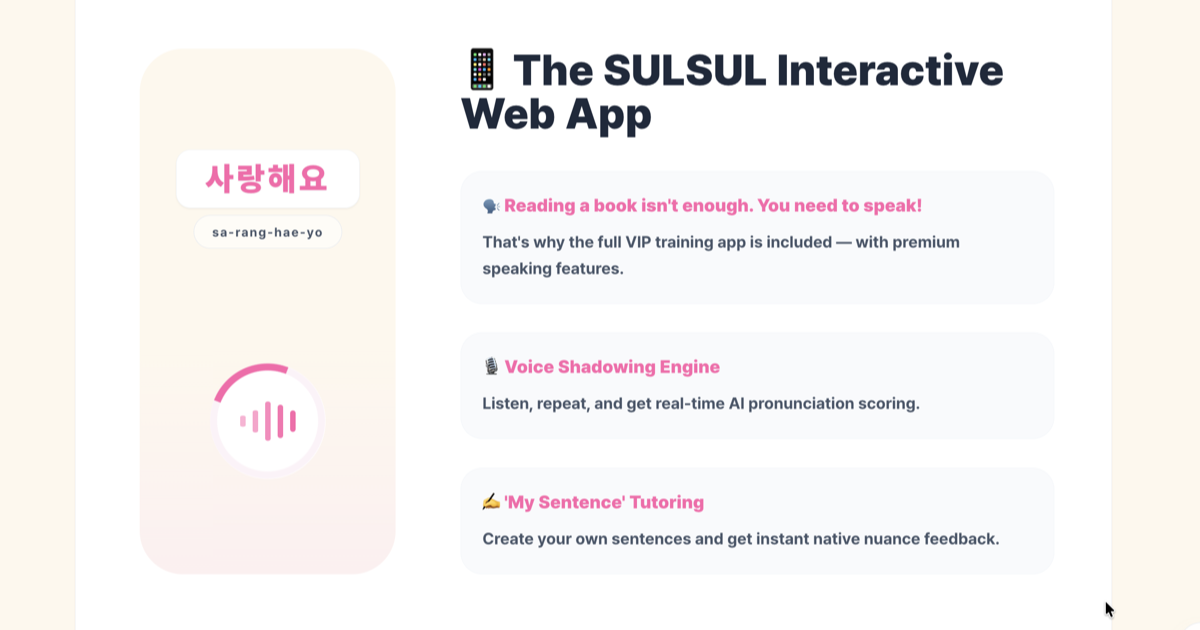
SULSUL is a speaking gym for exactly that step: pick a pattern, say it out loud, get an instant fix from the AI pronunciation coach, then run the real situation as a mission. The 100-pattern PDF workbook comes along as a bonus.