Korean Phrases at a Dentist in Korea
Korean phrases at a dentist narrow Special Unit 1 from the SULSUL workbook to 치과 (chigwa, dental clinic). Walk in with a sore tooth and open with 이가 아파요 (iga apayo), "My tooth hurts." When the hygienist rattles off instructions, Pattern 22 saves you — 천천히 말해 주세요 (cheoncheonhi malhae juseyo), "Please speak slowly," or 다시 말해 주세요 (dasi malhae juseyo), "Please say it again."
- Name the pain: 이가 아파요 (iga apayo), "My tooth hurts."
- Ask them to slow down: 천천히 말해 주세요 (cheoncheonhi malhae juseyo), "Please speak slowly."
- Ask them to repeat: 다시 말해 주세요 (dasi malhae juseyo), "Please say it again."
- Point to the spot: 여기가 아파요 (yeogiga apayo), "It hurts here."
- Ask about treatment: 치료 받을 수 있어요? (chiryo badeul su isseoyo?), "Can I get treatment today?"
How do you check in at a dental clinic?
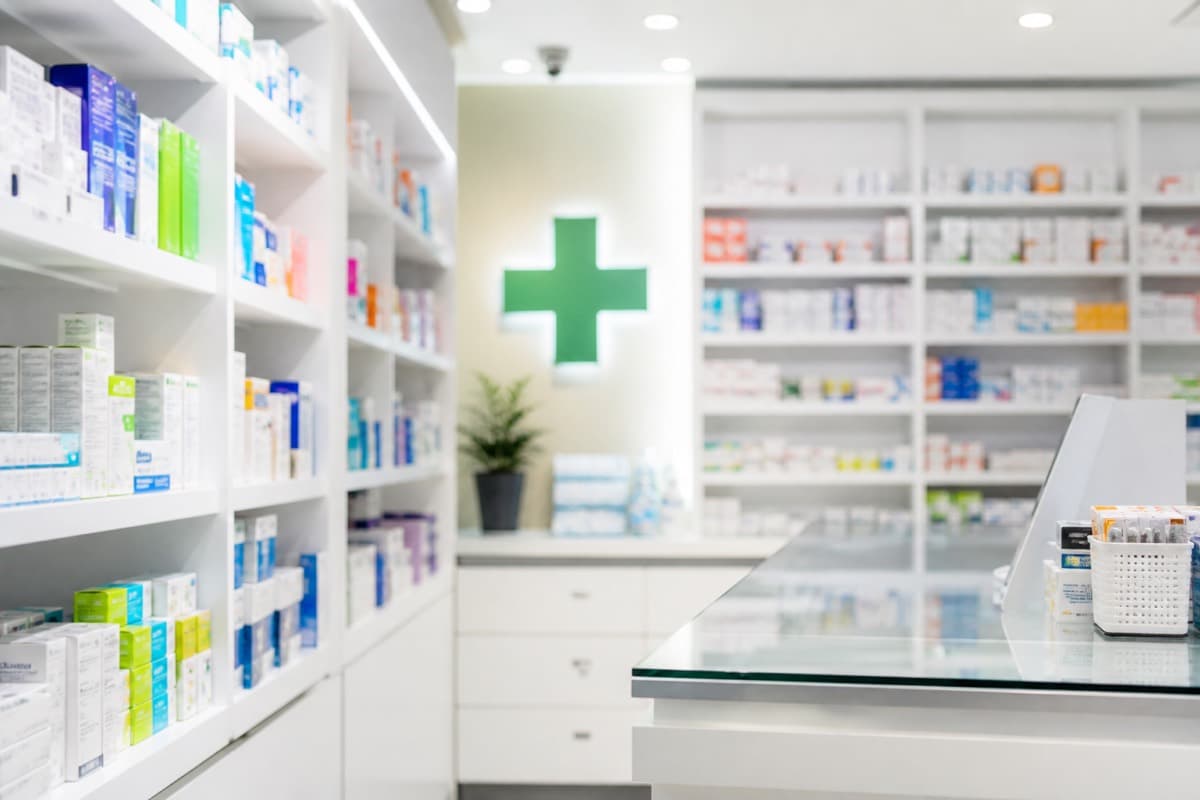
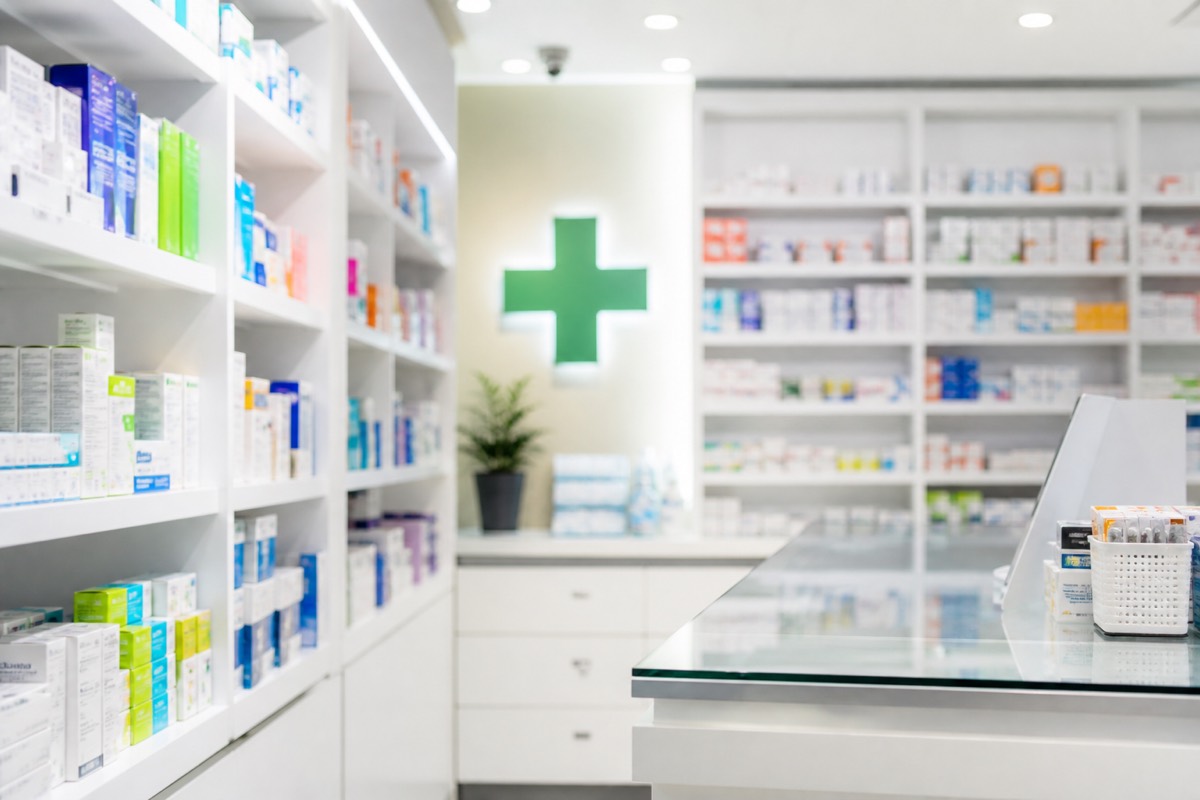
치과 signs appear on the same streets as 약국 (yakguk, pharmacy) — often one floor above a cafe. Reception asks why you came. One symptom line is enough; they route you to the right chair.
You: 이가 아파요. — iga apayo. — "My tooth hurts."
Them: 언제부터 아팠어요? — eonjebuteo apasseoyo? — "Since when has it hurt?"
You: 어제부터요. — eojebuteoyo. — "Since yesterday."
| Situation | Say this |
|---|---|
| Tooth hurts | 이가 아파요 (iga apayo) |
| Hurts here (point) | 여기가 아파요 (yeogiga apayo) |
| Speak slowly | 천천히 말해 주세요 (cheoncheonhi malhae juseyo) |
| Say it again | 다시 말해 주세요 (dasi malhae juseyo) |
| Treatment today? | 치료 받을 수 있어요? (chiryo badeul su isseoyo?) |
Practice this out loud with SULSUL — the app says it, you repeat it →
What happens once you sit in the chair?
Dentists in Korea work fast. Listen for 열어 보세요 (yeoreo boseyo), "Please open (your mouth)," and 조금만 참으세요 (jogeumman chameuseyo), "Please hold on a moment." If a word flies by, Pattern 22 is safer than nodding and guessing.
You: 천천히 말해 주세요. — cheoncheonhi malhae juseyo. — "Please speak slowly."
Them: 네, X-ray 찍을게요. — ne, X-ray jjigeulgeyo. — "Okay, we will take an X-ray."
You: 아, 알겠어요. — a, algesseoyo. — "Oh, got it."
For a general clinic visit — fever, stomach pain, not teeth — the post on how to see a doctor in Korea covers 배가 아파요 (baega apayo) and triage at a hospital desk.
How do you ask about cost and next steps?
Before drilling starts, ask 얼마예요? (eolmayeyo?), "How much is it?" and whether insurance applies — 보험 돼요? (boheom dwaeyo?), "Does insurance cover it?" Travel insurance varies; staff can tell you the out-of-pocket number in won.
You: 치료 받을 수 있어요? — chiryo badeul su isseoyo? — "Can I get treatment today?"
Them: 네, 바로 가능해요. — ne, baro ganeunghaeyo. — "Yes, we can do it right away."
You: 다시 말해 주세요. — dasi malhae juseyo. — "Please say it again."
A common mistake is staying silent when you only caught half the explanation — 다시 말해 주세요 is normal in Korean clinics, not rude. A second mistake is waiting until the pain is unbearable; 치과 slots fill on weekday evenings, so calling ahead with 예약 있어요? (yeyak isseoyo?), "Do you have an appointment slot?" saves a long wait.
Say it out loud, not just in your head
Reading 이가 아파요 on your phone is not the same as saying it while reception is already asking 언제부터 아팠어요?
SULSUL is a speaking gym for exactly that moment: pick a survival pattern, say it out loud, get an instant fix from the AI pronunciation coach, then run the real situation as a mission. The 100-pattern PDF workbook comes along as a bonus.