Korean Phrases at a Hanuiwon in Korea

A 한의원 (hanuiwon) is a Korean medicine clinic — 침 (chim, acupuncture), 부항 (buhang, cupping), 뜸 (tteum, moxibustion), 한약 (hanyak, herbal medicine). People walk into one for a stiff neck or a back that has been complaining for a week, and the whole visit runs on two patterns from the SULSUL workbook. Pattern 11 — adjective plus 아/어요 (a/eoyo) — says what is wrong: 어깨가 아파요 (eokkaega apayo), "My shoulder hurts." Pattern 44 — verb stem plus 아/어도 돼요? (a/eodo dwaeyo?) — handles everything the 한의사 (hanuisa, Korean medicine doctor) tells you afterwards: 오늘 샤워해도 돼요? (oneul syawohaedo dwaeyo?), "May I shower today?"
- Say where it hurts: 어깨가 아파요 (eokkaega apayo), "My shoulder hurts."
- Say since when: 일주일 전부터 아팠어요 (iljuil jeonbuteo apasseoyo), "It has hurt since a week ago."
- Ask about the needles: 침 많이 아파요? (chim mani apayo?), "Do the needles hurt a lot?"
- Ask how often to come: 며칠에 한 번 와야 해요? (myeochire han beon waya haeyo?), "How often do I have to come?"
- Ask what you may do: 오늘 샤워해도 돼요? (oneul syawohaedo dwaeyo?), "May I shower today?"
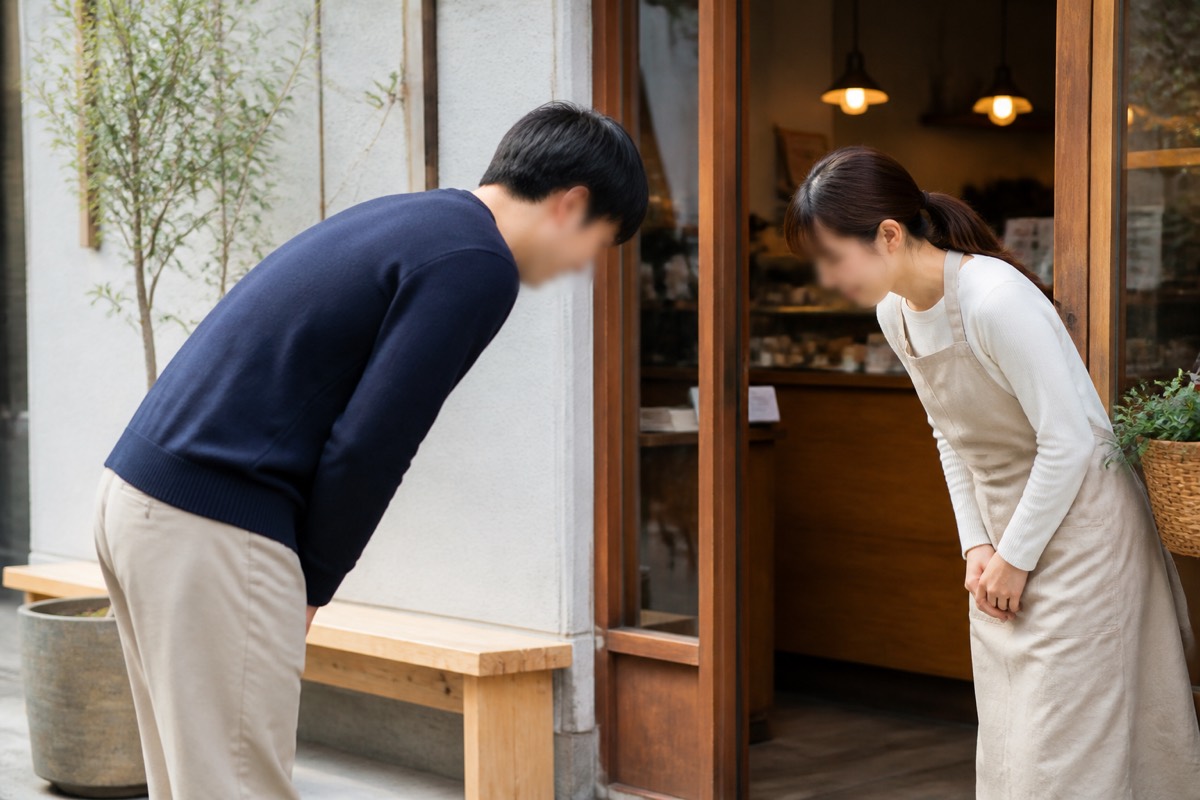
How do you explain where it hurts at a hanuiwon?
The first two questions are always the same: where, and since when. Pattern 35 — 아/어서 (a/eoseo), "because" — lets you answer both halves in one sentence at the door.
You: 어깨가 아파서 왔어요. — eokkaega apaseo wasseoyo. — "I came because my shoulder hurts."
Them: 언제부터 아팠어요? — eonjebuteo apasseoyo? — "Since when has it hurt?"
You: 일주일 전부터 아팠어요. — iljuil jeonbuteo apasseoyo. — "It has hurt since a week ago."
Swap the body part and the sentence still works: 허리 (heori, lower back), 목 (mok, neck), 무릎 (mureup, knee), 손목 (sonmok, wrist). Two words describe the kind of pain a 한의원 treats better than "아파요" alone — 뻐근해요 (ppeogeunhaeyo), "it feels stiff and heavy," and 뭉쳤어요 (mungchyeosseoyo), "it's knotted up." Say either one and you sound like you have been here before.
| Situation | Say this |
|---|---|
| Say where it hurts | 어깨가 아파요 (eokkaega apayo) |
| Say since when | 일주일 전부터 아팠어요 (iljuil jeonbuteo apasseoyo) |
| Ask about the needles | 침 많이 아파요? (chim mani apayo?) |
| Ask how often to come | 며칠에 한 번 와야 해요? (myeochire han beon waya haeyo?) |
| Ask what you may do | 오늘 샤워해도 돼요? (oneul syawohaedo dwaeyo?) |
Practice this out loud with SULSUL — the app says it, you repeat it →
What happens once the needles go in?
You lie down, the lights go low, and the room goes quiet for fifteen or twenty minutes. Almost nothing is said in that time, which makes the two minutes before it the ones worth preparing.
You: 침 많이 아파요? — chim mani apayo? — "Do the needles hurt a lot?"
Them: 조금 따끔해요. 힘 빼세요. — jogeum ttakkeumhaeyo. him ppaeseyo. — "It stings a little. Relax."
You: 네, 알겠어요. — ne, algesseoyo. — "Okay, understood."
힘 빼세요 (him ppaeseyo), "let the strength out," is the single most common instruction in the room, and tensing up against it is what makes the needle sting. Afterwards comes the schedule, and that is Pattern 41 — verb stem plus 아/어야 해요 (a/eoya haeyo), "have to": 며칠에 한 번 와야 해요? (myeochire han beon waya haeyo?), "How often do I have to come?" Most courses of treatment run two or three visits a week, so the answer matters more than it sounds.
What usually goes wrong at a Korean medicine clinic?
The first thing is walking in expecting a prescription for pills. A 한의원 works with needles, cupping, heat, and herbal medicine; the counter that hands you tablets is a 약국 (yakguk, pharmacy), and the clinic that writes that prescription is a 병원 (byeongwon). Knowing which door you want saves an afternoon — see how to see a doctor in Korea when you feel sick and Korean phrases for the pharmacy in Korea.
The second is the aftercare, which gets said fast on your way out while the next patient is already at the desk. There are usually rules attached — 오늘 사우나 하면 안 돼요 (oneul sauna hamyeon an dwaeyo), "no sauna today," is the classic one, Pattern 44 in its prohibition form. If it goes past you, do not nod: 천천히 말해 주세요 (cheoncheonhi malhae juseyo), "please speak slowly," is Pattern 22 and it exists for exactly this. Then check the one you actually care about with 오늘 샤워해도 돼요? — the answer you will hear is usually 네, 괜찮아요 (ne, gwaenchanayo), "yes, that's fine."
Say it out loud, not just in your head
어깨가 아파서 왔어요 is easy to read and surprisingly hard to produce while somebody in a white coat waits for you to finish the sentence.
SULSUL is a speaking gym for exactly that moment: pick a survival pattern, say it out loud, get an instant fix from the AI pronunciation coach, then run the real situation as a mission. The 100-pattern PDF workbook comes along as a bonus.