Korean Phrases for Shopping at a Supermarket in Korea
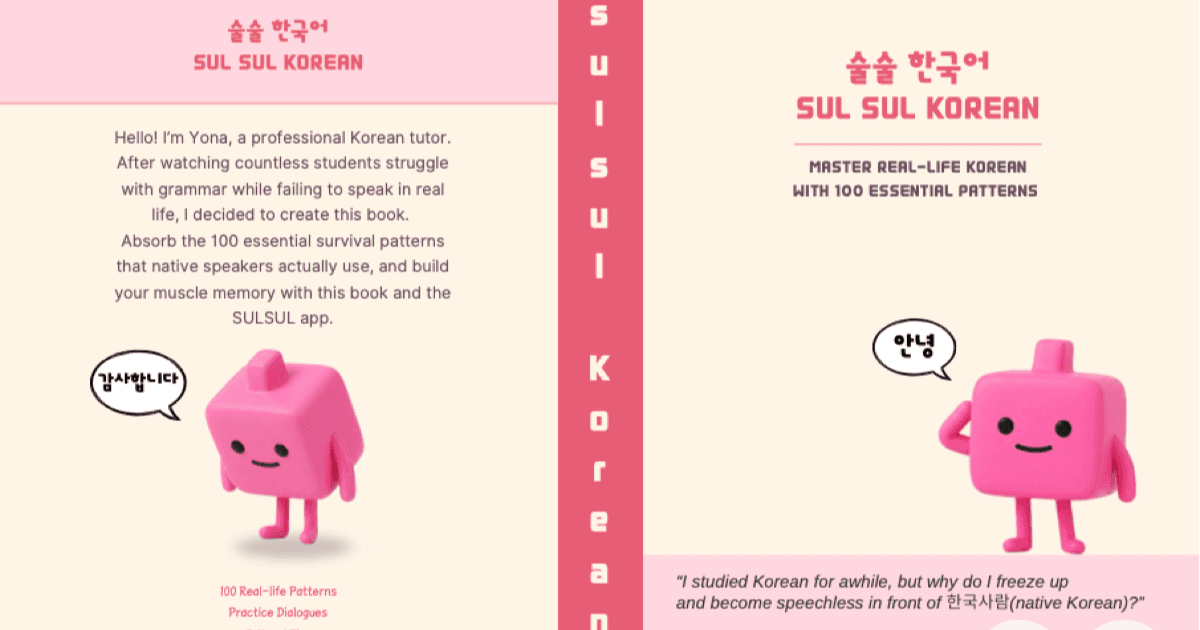
Korean phrases for shopping at a supermarket in Korea come down to Pattern 01 from the SULSUL workbook — noun plus 주세요 (juseyo), "please give me." Point at an item and say 이거 주세요 (igeo juseyo), "This one, please," then at checkout ask 봉투 주세요 (bongtu juseyo) when you need a bag.
- Point and buy: 이거 주세요 (igeo juseyo), "This one, please."
- Ask for a bag: 봉투 주세요 (bongtu juseyo), "Bag, please."
- Check stock: 이거 있어요? (igeo isseoyo?), "Do you have this?"
- Find checkout: 계산대 어디예요? (gyesandae eodiyeyo?), "Where is the checkout counter?"
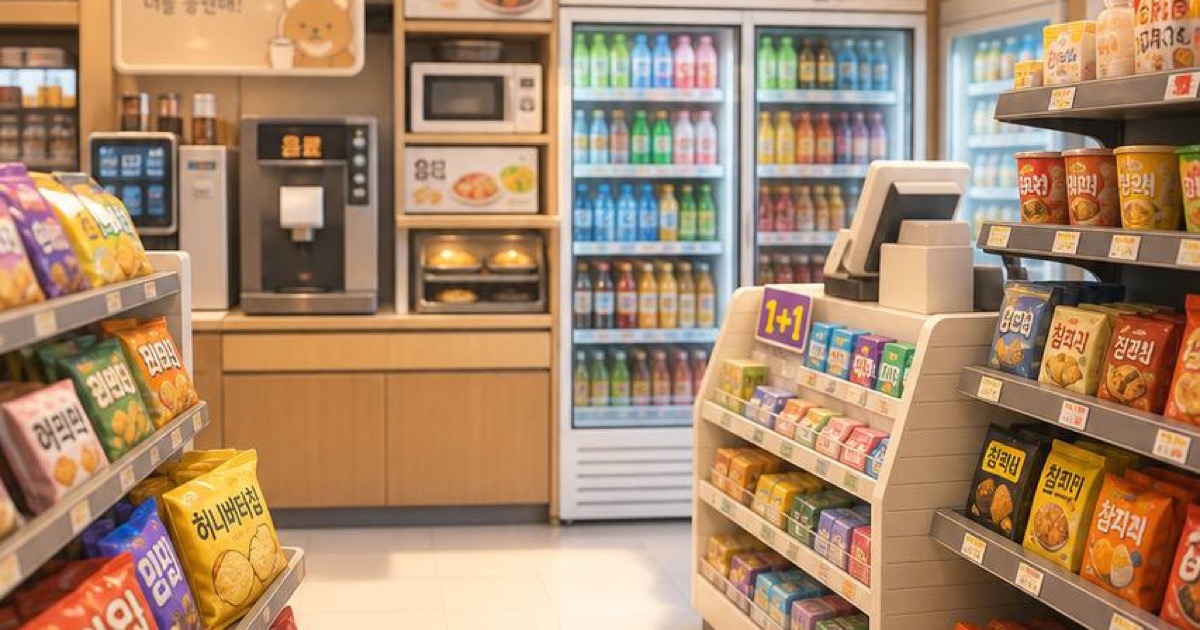
How do you grab something from a shelf?
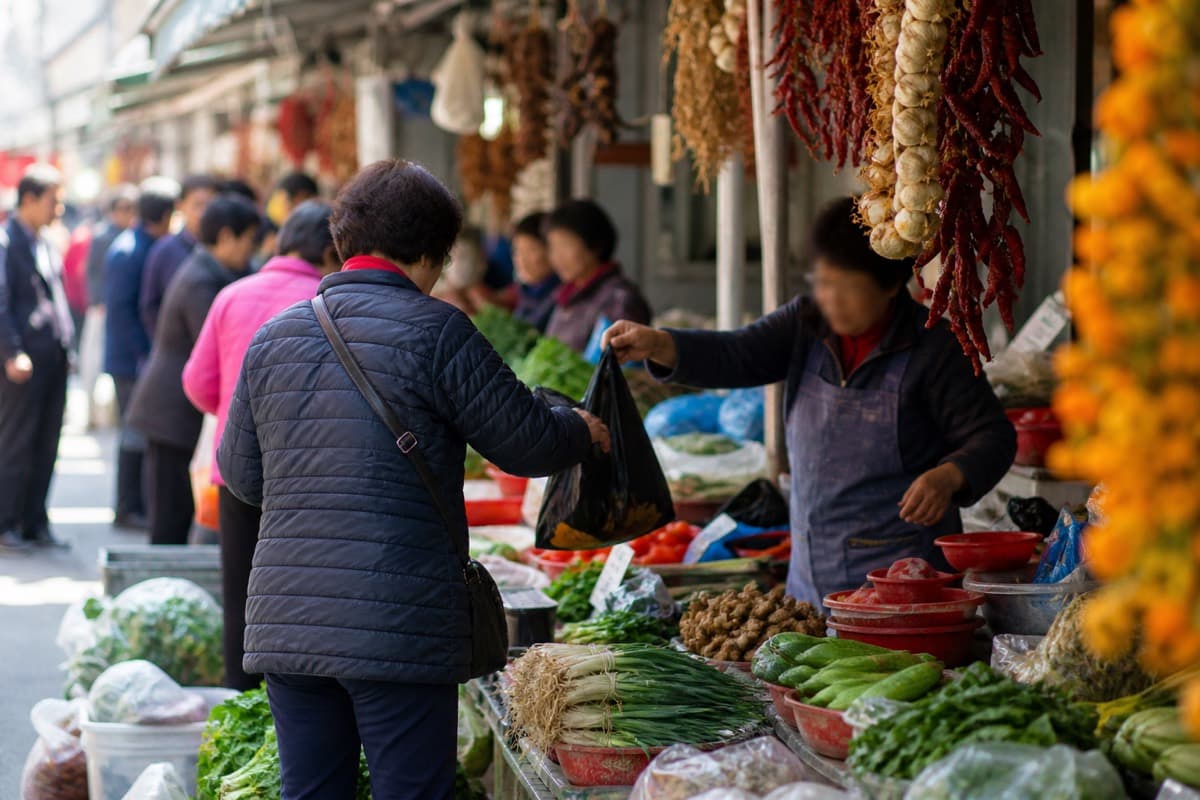
Large Korean supermarkets — 마트 (mateu, mart) — label most aisles in Korean and English, but staff on the floor still answer quick questions in Korean only. Hold the item up and use the textbook request line.
You: 저기요, 이거 있어요? — jeogiyo, igeo isseoyo? — "Excuse me, do you have this?"
Them: 네, 저쪽 냉장고에 있어요. — ne, jeojjok naengjanggo-e isseoyo. — "Yes, it is in the refrigerator over there."
You: 감사합니다. — gamsahamnida. — "Thank you."
| Situation | Say this |
|---|---|
| Buy what you are pointing at | 이거 주세요 (igeo juseyo) |
| Buy two of the same item | 이거 두 개 주세요 (igeo du gae juseyo) |
| Ask if they stock it | 이거 있어요? (igeo isseoyo?) |
| Need a shopping bag | 봉투 주세요 (bongtu juseyo) |
| Pay by card | 카드 돼요? (kadeu dwaeyo?) |
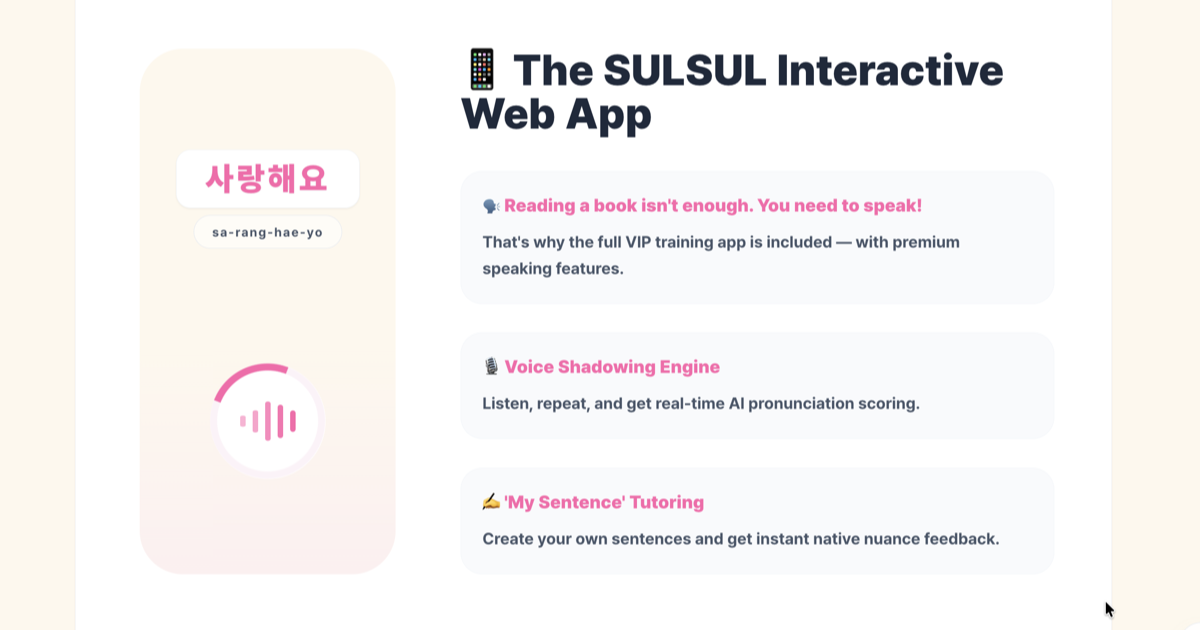
Practice this out loud with SULSUL — the app says it, you repeat it →
What happens at the checkout counter?
Self-checkout kiosks are common, but staffed lanes still handle questions about bags, receipts, and membership cards. Listen for 봉투 (bongtu, bag) and 영수증 (yeongsujeung, receipt).
You: 봉투 주세요. — bongtu juseyo. — "Bag, please."
Them: 500원 추가예요. — obaek won chugayeyo. — "That adds 500 won."
You: 네, 괜찮아요. — ne, gwaenchanayo. — "Yes, that is fine."
Korean stores often charge a small fee for plastic bags. If you brought your own, say 봉투 필요 없어요 (bongtu piryo eopseoyo), "I do not need a bag." For finding the register in a department store, see Korean phrases for finding the checkout counter — the same 계산대 어디예요? (gyesandae eodiyeyo?) line works there too.
What usually goes wrong before you leave?
Travelers often freeze at the weigh-your-own produce section. Look for a scale near the fruit — staff expect you to bag and label items yourself before checkout. If you are unsure, ask 이거 어떻게 해요? (igeo eotteoke haeyo?), "How do I do this?"
You: 계산대 어디예요? — gyesandae eodiyeyo? — "Where is the checkout counter?"
Them: 저쪽 끝이에요. — jeojjok kkeut-ieyo. — "At the far end over there."
You: 영수증 주세요. — yeongsujeung juseyo. — "Receipt, please."
A second mistake is saying 사고 싶어요 (sago sipeoyo), "I want to buy it," at a staffed counter when 이거 주세요 (igeo juseyo) is faster and more natural. Save 고 싶어요 (go sipeoyo) for when you are browsing and chatting — at checkout, point and request.
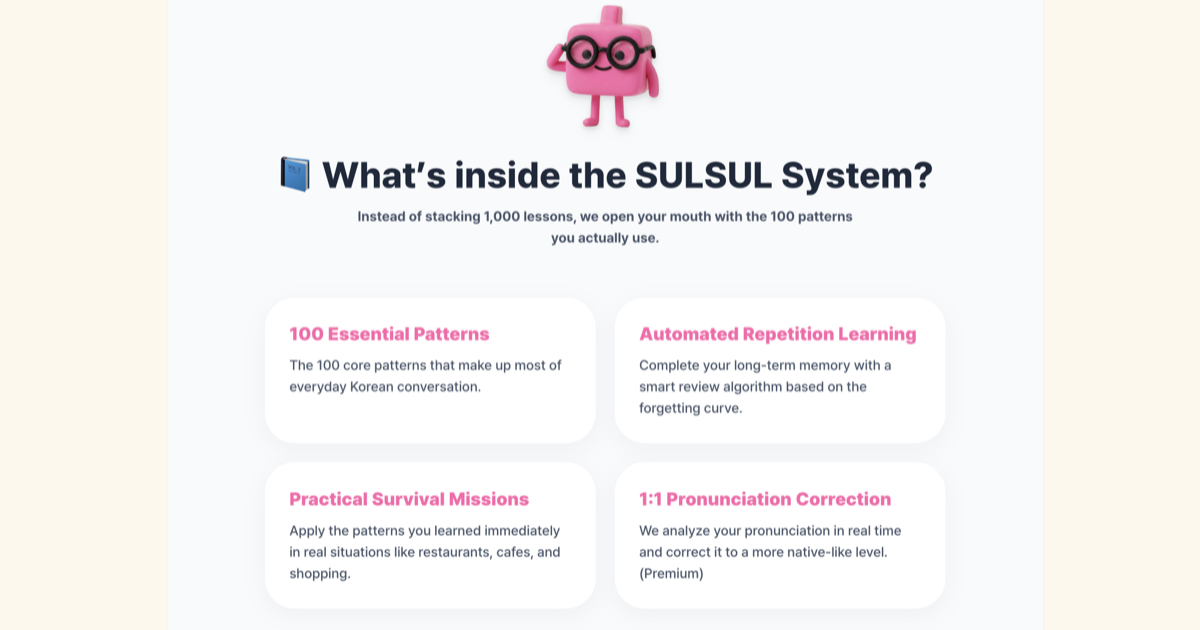
Say it out loud, not just in your head
Reading 이거 주세요 here is not the same as saying it while a cashier is scanning your items and the line behind you is moving.
SULSUL is a speaking gym for exactly that moment: pick a survival pattern, say it out loud, get an instant fix from the AI pronunciation coach, then run the real situation as a mission. The 100-pattern PDF workbook comes along as a bonus.