Korean Phrases for Taking Food To-Go in Korea

Korean phrases for taking food to-go in Korea center on one request line. Say 포장해 주세요 (pojanghae juseyo), "Please pack this to-go," while pointing at your tray or the item on the menu board. Pattern 23 in the SULSUL workbook — verb stem plus 아/어 주세요 (a/eo juseyo) — turns any action into a polite ask, and 포장하다 (pojanghada, to pack) is one of the highest-frequency verbs at quick-service counters.
- 포장해 주세요 (pojanghae juseyo) — "Please pack this to-go."
- 이거 포장해 주세요 (igeo pojanghae juseyo) — "Please pack this one to-go."
- 같이 포장해 주세요 (gati pojanghae juseyo) — "Please pack them together."
- 여기서 먹을 거예요 (yeogiseo meogeul geoyeyo) — "I will eat here."
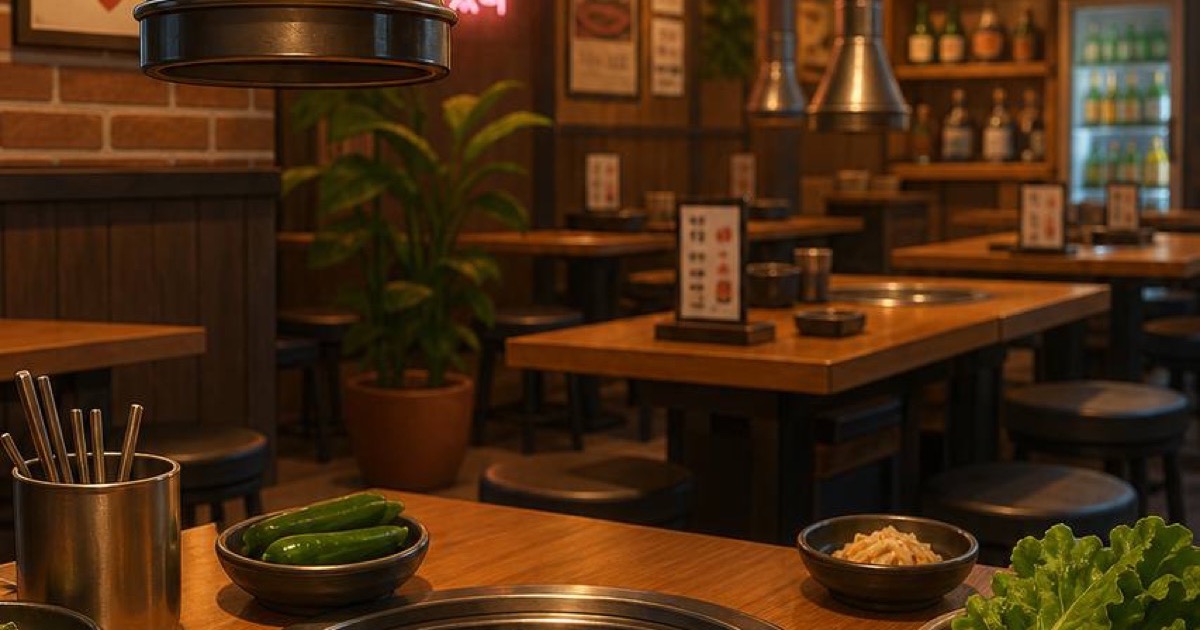
How do you ask at a restaurant or food stall?
Counter-service spots in Korea expect you to say 포장 (pojang, to-go) or 매장 (maejang, eat-in) before they start cooking. Say it when you order, not after the food is already on a tray.
You: 이거 포장해 주세요. — igeo pojanghae juseyo. — "Please pack this one to-go."
Them: 네, 포장이요? — ne, pojang-iyo? — "Yes, to-go?"
You: 네, 감사합니다. — ne, gamsahamnida. — "Yes, thank you."
| Situation | Say this |
|---|---|
| Pack it to-go | 포장해 주세요 (pojanghae juseyo) |
| Pack this item | 이거 포장해 주세요 (igeo pojanghae juseyo) |
| Pack together | 같이 포장해 주세요 (gati pojanghae juseyo) |
| Eating here | 여기서 먹을 거예요 (yeogiseo meogeul geoyeyo) |
| Extra bag | 봉투 주세요 (bongtu juseyo) |
Practice this out loud with SULSUL — the app says it, you repeat it →
What does staff ask after you say to-go?
They may confirm portions or sauce on the side. One-word answers work — 네 (ne, yes) or 아니요 (aniyo, no).
You: 양념 따로 주세요. — yangnyeom ttaro juseyo. — "Please put the sauce on the side."
Them: 알겠습니다. — algesseumnida. — "Got it."
You: 봉투도 주세요. — bongtudo juseyo. — "A bag too, please."
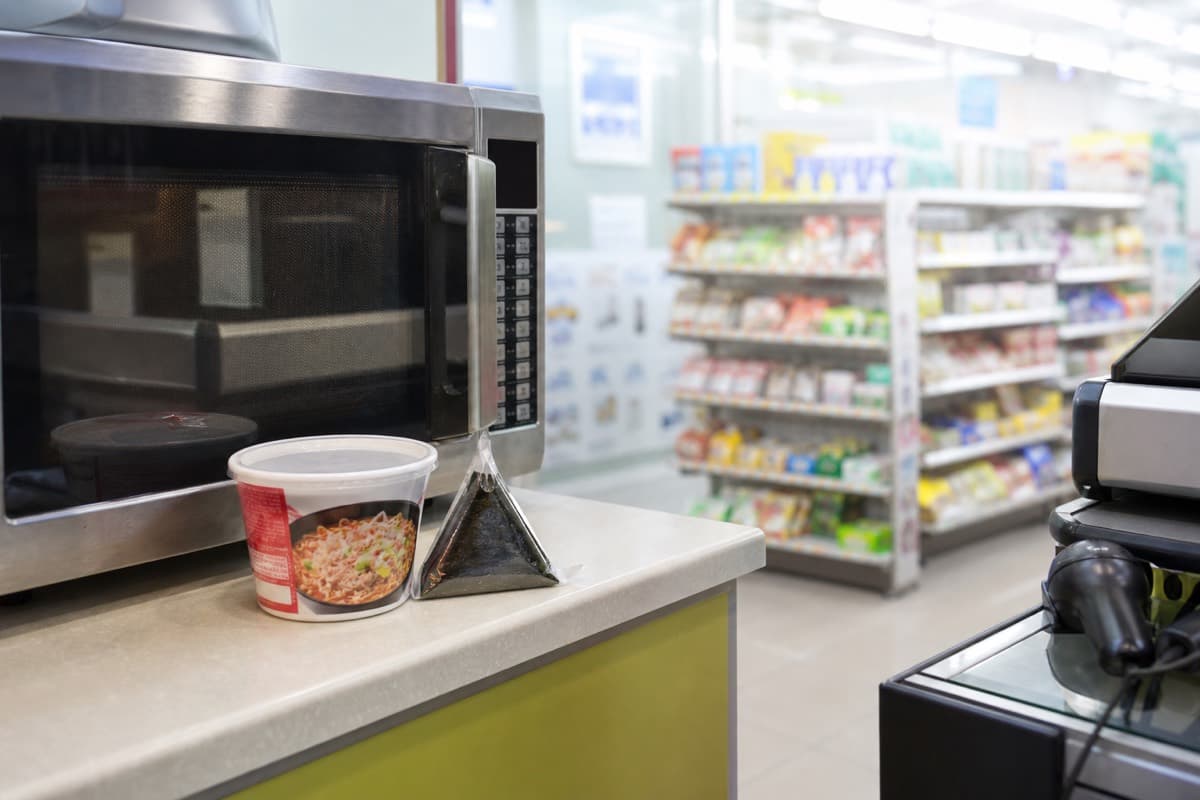
Adding 좀 (jom, a little / please) softens the request: 이거 좀 포장해 주세요 (igeo jom pojanghae juseyo). For convenience-store reheating, see Korean phrases for the convenience store in Korea.
What usually goes wrong?
The most common mistake is waiting until the food is plated and then miming a box. By then the kitchen assumed 매장 (maejang, dine-in). Ask 포장 at the same moment you say 이거 주세요 (igeo juseyo).
You: 실례합니다, 포장으로 바꿀 수 있어요? — sillyehamnida, pojang-euro bakkul su isseoyo? — "Excuse me, can I switch to to-go?"
Them: 아직 안 했어요. 포장해 드릴게요. — ajik an haesseoyo. pojanghae deurilgeyo. — "We have not started yet. We will pack it."
You: 감사합니다. — gamsahamnida. — "Thank you."
A second slip is forgetting 봉투 (bongtu, bag) at stalls that hand you a sealed container without a handle. 봉투 주세요 (bongtu juseyo) saves you from juggling hot soup on the subway.
Say it out loud, not just in your head
Reading 포장해 주세요 on a menu photo is not the same as saying it when three people are behind you and the clerk is already reaching for a dine-in tray.
SULSUL is a speaking gym for exactly that moment: pick a survival pattern, say it out loud, get an instant fix from the AI pronunciation coach, then run the real situation as a mission. The 100-pattern PDF workbook comes along as a bonus.