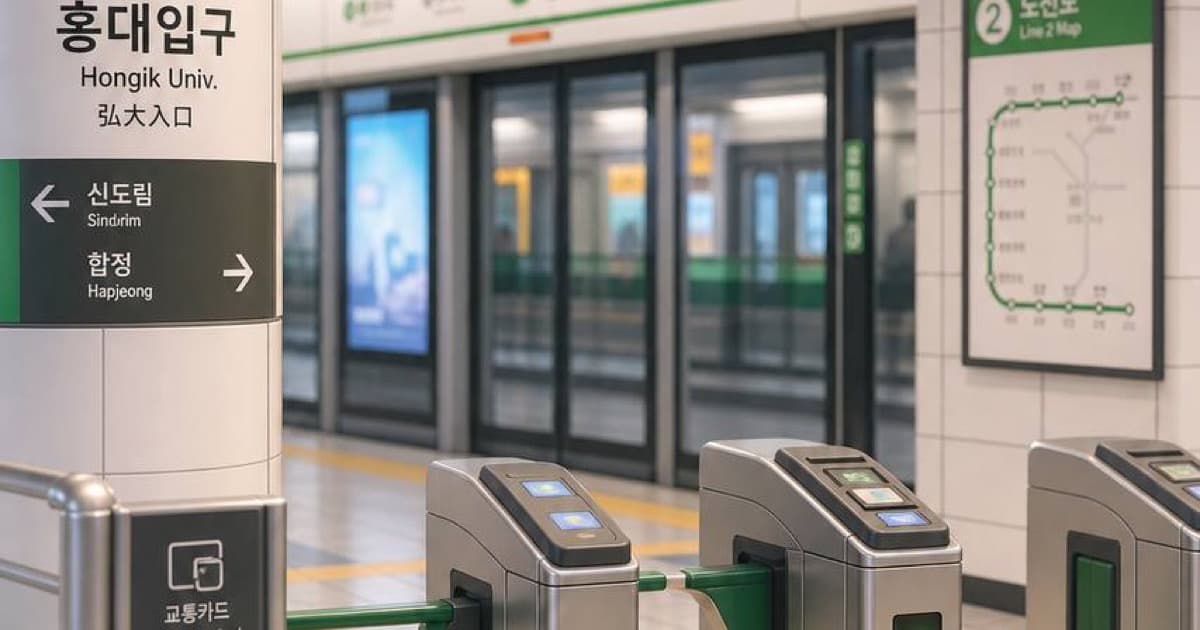
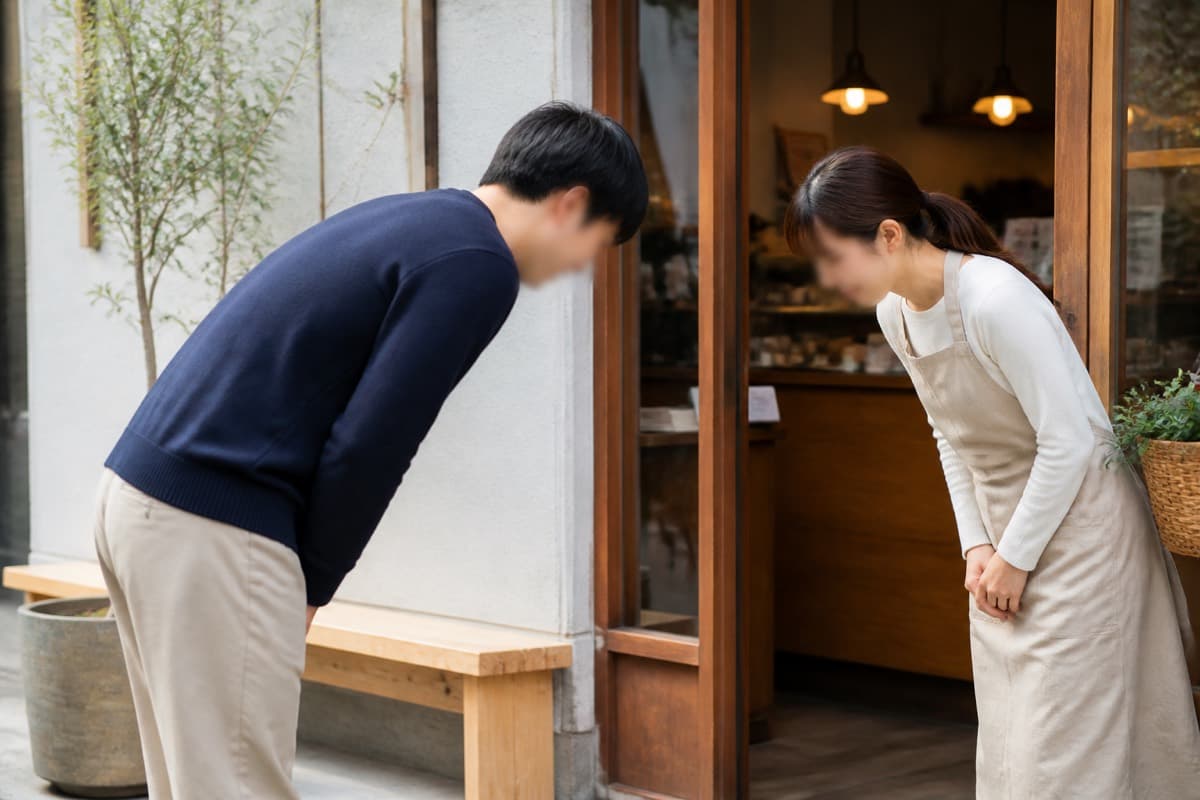
Korean Phrases at a Highway Rest Stop in Korea

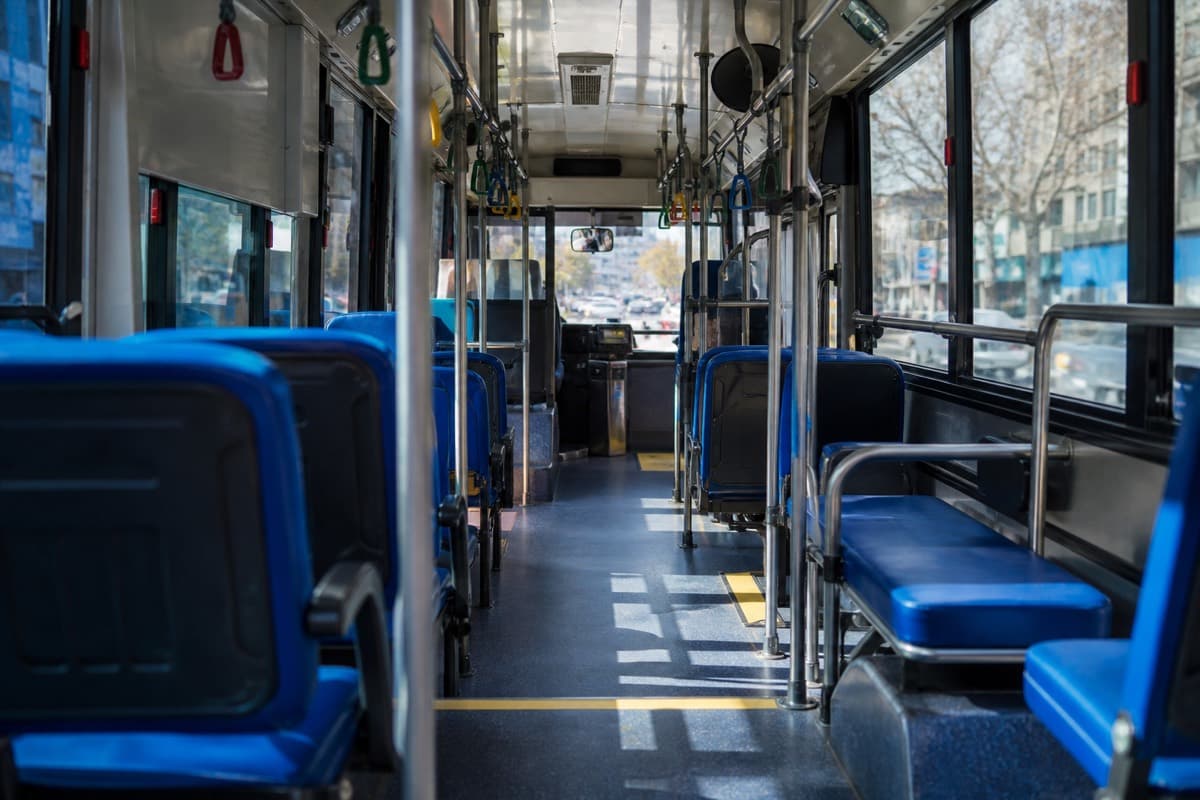
Korean phrases at a highway rest stop run on a clock. The bus stops, everyone walks off, and you have somewhere between ten and twenty minutes to use the restroom, buy food, and get back on. Pattern 15 from the SULSUL workbook — a question word plus 해요? — is the first thing to say: 몇 시에 출발해요? (myeot si-e chulbalhaeyo?), "What time do we leave?" Pattern 01 — noun plus 주세요 (juseyo) — handles the food counter in two seconds: 이거 주세요 (igeo juseyo), "This one, please."
- Ask the departure time: 몇 시에 출발해요? (myeot si-e chulbalhaeyo?), "What time do we leave?"
- Ask how long the stop is: 얼마나 쉬어요? (eolmana swieoyo?), "How long is the break?"
- Find the restroom: 화장실 어디 있어요? (hwajangsil eodi isseoyo?), "Where is the restroom?"
- Order fast: 이거 주세요 (igeo juseyo), "This one, please."
- Take it with you: 포장해 주세요 (pojanghae juseyo), "Please pack it to go."

How long does a Korean rest stop actually last?
휴게소 (hyugeso, rest stop) breaks on an intercity bus are short and the driver announces them once, quickly, over the speaker. If you miss it, ask before you step off — the driver is still in the seat.
You: 기사님, 얼마나 쉬어요? — gisanim, eolmana swieoyo? — "Driver, how long is the break?"
Them: 15분 쉬어요. 10시 20분에 출발해요. — sibobun swieoyo. yeol si isibbun-e chulbalhaeyo. — "A fifteen-minute break. We leave at 10:20."
You: 네, 알겠어요. — ne, algesseoyo. — "Okay, understood."
Pattern 27 — 부터 ... 까지 (buteo ... kkaji), "from A to B" — is how the same information gets posted on the wall: 10시부터 10시 20분까지 (yeol si-buteo yeol si isibbun-kkaji), "from 10:00 to 10:20." Read the bus number on your ticket before you walk away, because six identical buses will be parked in a row when you come back.
| Situation | Say this |
|---|---|
| Ask the departure time | 몇 시에 출발해요? (myeot si-e chulbalhaeyo?) |
| Ask the break length | 얼마나 쉬어요? (eolmana swieoyo?) |
| Find the restroom | 화장실 어디 있어요? (hwajangsil eodi isseoyo?) |
| Order at the counter | 이거 주세요 (igeo juseyo) |
| Pack it to go | 포장해 주세요 (pojanghae juseyo) |
Practice this out loud with SULSUL — the app says it, you repeat it →
What do you order at a 휴게소 food counter?
Rest stop food is its own category in Korea — 호두과자 (hodugwaja, walnut cakes), 소떡소떡 (sotteoksotteok, sausage and rice cake skewers), 우동 (udong, noodle soup), 감자 (gamja, potatoes). Ordering is a pointing job plus Pattern 01.
You: 이거 두 개 주세요. — igeo du gae juseyo. — "Two of these, please."
Them: 드시고 가세요? — deusigo gaseyo? — "Eating here?"
You: 아니요, 포장해 주세요. — aniyo, pojanghae juseyo. — "No, please pack it to go."
포장해 주세요 is Pattern 23 — verb stem plus 아/어 주세요 (a/eo juseyo), "please do this for me." If you do want to sit down, Pattern 44 covers it: 여기서 먹어도 돼요? (yeogiseo meogeodo dwaeyo?), "May I eat here?" The counter staff answer in three words while the next person is already ordering, so the reply you will hear most is 네, 괜찮아요 (ne, gwaenchanayo), "Yes, that's fine."
What usually goes wrong at a Korean rest stop?
The common one is not asking the departure time at all. Travelers assume the break matches the last stop, take twenty minutes on a fifteen-minute break, and walk out to an empty parking bay. Ask 몇 시에 출발해요? every stop — the answer changes with traffic.
The second is joining the wrong line. Food counters, coffee, and the ticket window all queue in the same hall, and the signs are Korean-only at smaller stops. 화장실 어디 있어요? works the same way for any of them: swap the noun, keep 어디 있어요? (Pattern 04). For the ride itself, see Korean phrases for riding a bus in Korea, and for restroom questions anywhere, how to ask for the restroom in Korean.
Say it out loud, not just in your head
Fifteen minutes is not enough time to look up romanization while a driver waits with the door open.
SULSUL is a speaking gym for exactly that moment: pick a survival pattern, say it out loud, get an instant fix from the AI pronunciation coach, then run the real situation as a mission. The 100-pattern PDF workbook comes along as a bonus.