Korean Phrases for Riding the Bus in Korea

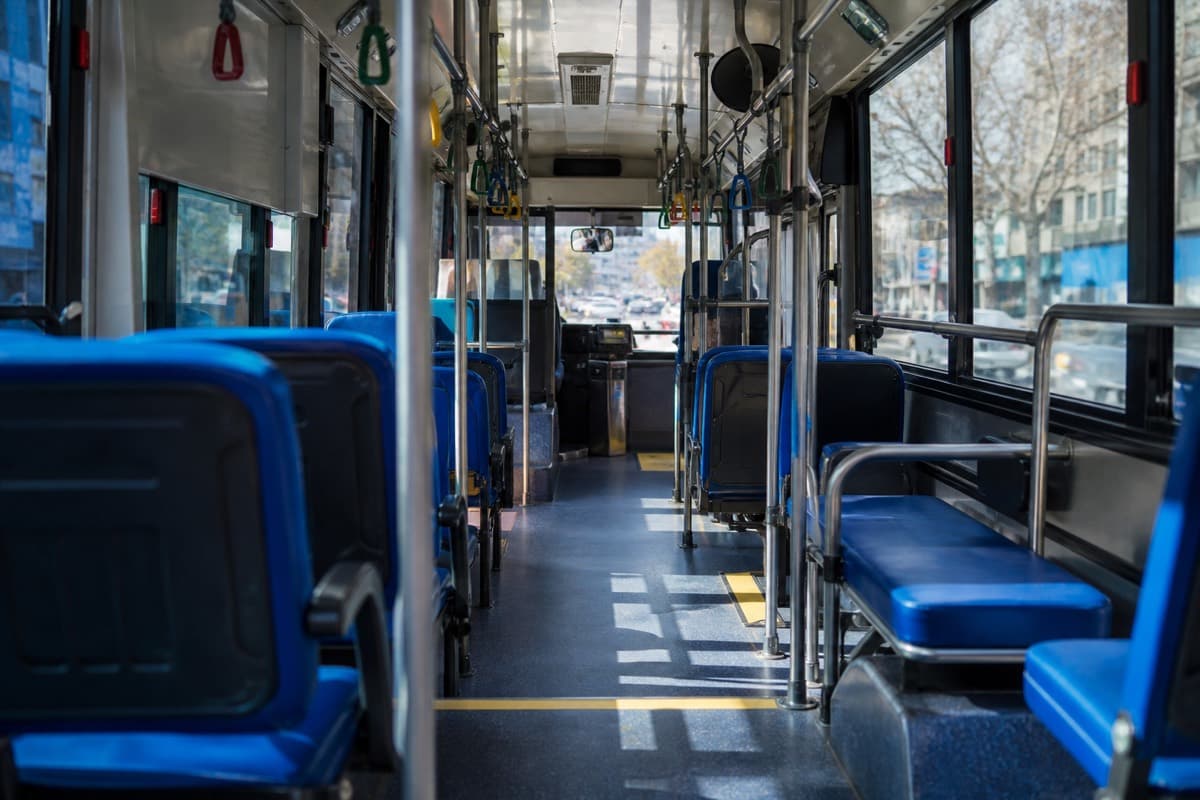
Korean phrases for riding the bus come down to two moments: getting on and getting off. Say 이 버스 명동 가요? (i beoseu Myeongdong gayo?), "Does this bus go to Myeongdong?" before you board, and 내려 주세요 (naeryeo juseyo), "Please let me off here," when your stop is coming up. Those two phrases carry you through the whole ride.
- Confirm the route before boarding: 이 버스 명동 가요? (i beoseu Myeongdong gayo?), "Does this bus go to Myeongdong?"
- Ask about a transfer: 갈아타야 해요? (garataya haeyo?), "Do I need to transfer?"
- Signal your stop clearly: 내려 주세요 (naeryeo juseyo), "Please let me off here."
- Check the next stop: 다음 정류장이 뭐예요? (daeum jeongnyujangi mwoyeyo?), "What is the next stop?"

How do you board the right bus?
Look at the destination board on the front of the bus before you step on. If you can read the route number but aren't sure it goes where you need, ask the driver with one sentence.
- Read the route number on the front display panel.
- Ask the driver: 이 버스 명동 가요? before stepping on.
- Wait for a nod or 네 (ne), "yes," then board.
- Tap your transit card on the reader near the front door.
- Watch the stop names scroll across the screen above the driver, and press the bell one stop early.
| Situation | Say this |
|---|---|
| Confirm route | 이 버스 명동 가요? (i beoseu Myeongdong gayo?) |
| Ask about transfer | 갈아타야 해요? (garataya haeyo?) |
| Ask the next stop | 다음 정류장이 뭐예요? (daeum jeongnyujangi mwoyeyo?) |
| Signal your stop | 내려 주세요 (naeryeo juseyo) |
| Transit card OK? | 교통카드 돼요? (gyotong kadeu dwaeyo?) |
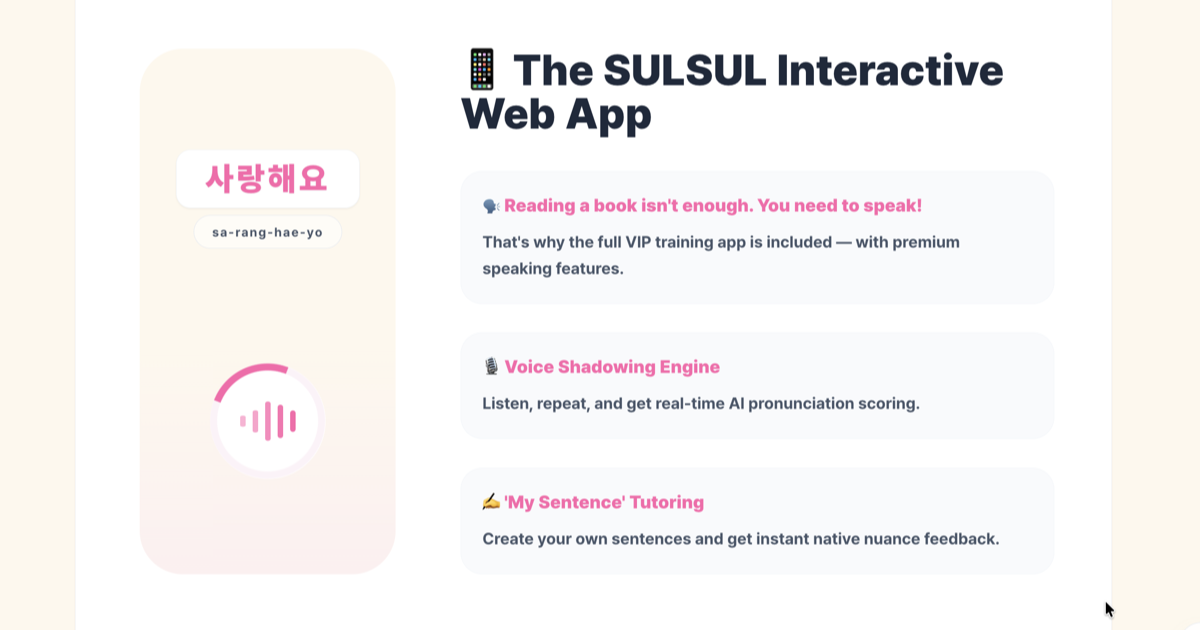
Practice this out loud with SULSUL — the app says it, you repeat it →
What does the driver say when you ask?
Most drivers reply in three words or fewer. Understanding the reply matters more than perfecting your question.
You: 이 버스 명동 가요? — i beoseu Myeongdong gayo? — "Does this bus go to Myeongdong?"
Them: 네, 가요. — ne, gayo. — "Yes, it does."
You: 감사합니다. — gamsahamnida. — "Thank you."
If the driver waves you away or says 아니요 (aniyo), "no," the bus doesn't go there — step back and check the next one. If you miss the reply, echo your destination back as a question: 명동이요? (Myeongdongiyo?) is a one-word check that costs nothing. Any nod confirms you heard right.
What usually goes wrong when you get off?
The most common mistake is waiting until the bus has already pulled up to the stop. By then the doors may be open, you're scrambling to stand, and everyone is watching. Press the bell on the pole near your seat one full stop before yours, then move toward the door while the bus is still rolling.
A second mistake is using 역 (yeok, train station) instead of 정류장 (jeongnyujang, bus stop). Asking 이 역 어디예요? (i yeok eodiyeyo?) on a bus confuses the driver. Keep the two words separate: 역 for rail, 정류장 for buses. If you're combining buses and the subway on the same trip, the post on asking for directions in the Korean subway covers transfers between both.
I have watched learners freeze at the door because they practiced the boarding question but never prepared the stop phrase. The two phrases work as a pair — board with one, exit with the other. Practice them back to back.
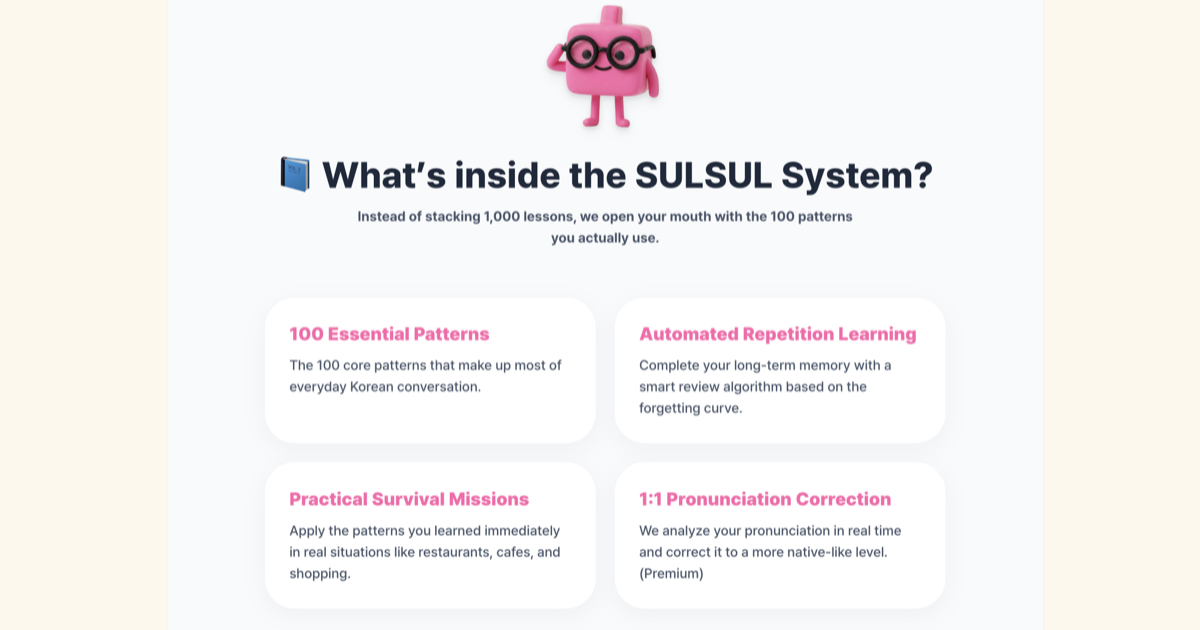
Say it out loud, not just in your head
Reading 내려 주세요 on this page is not the same as saying it while the bus is slowing down and the driver is watching you in the mirror.
SULSUL is a speaking gym for exactly that moment: pick a survival pattern, say it out loud, get an instant fix from the AI pronunciation coach, then run the real situation as a mission. The 100-pattern PDF workbook comes along as a bonus.