Korean Phrases at an Express Bus Terminal in Korea

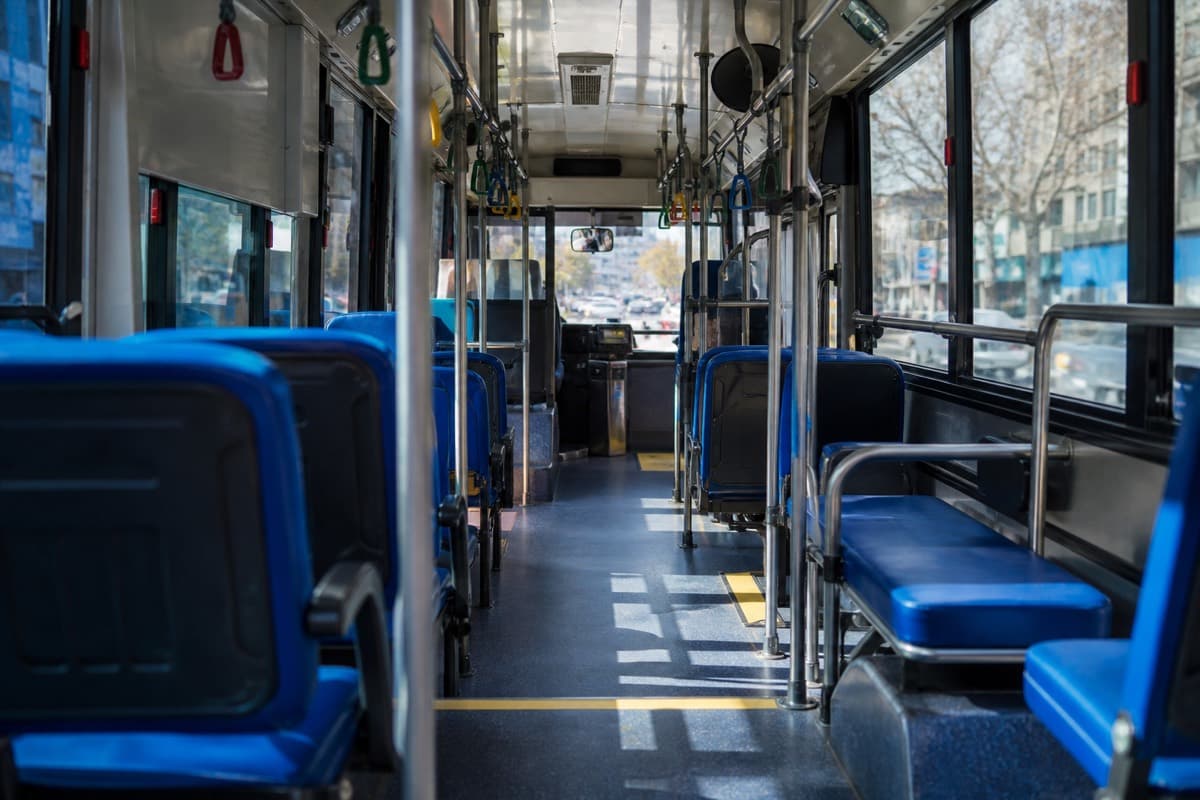
The 고속버스 (gosokbeoseu), the express coach, is how most of Korea actually moves between cities — it reaches towns the trains skip, it runs late into the night, and the terminal it leaves from is a hall the size of an airport with almost no English on the departure boards. Everything that matters there is either a place or a time, which is why two patterns from the SULSUL workbook carry the whole trip. Pattern 04 — 어디예요? / 어디 있어요? — is the place half: 매표소 어디예요? (maepyoso eodiyeyo?), "Where's the ticket counter?" Pattern 28 — (Time)에 — is the time half, and a bus is nothing but a time: 몇 시에 출발해요? (myeot sie chulbalhaeyo?), "What time does it leave?"
- Find the counter: 매표소 어디예요? (maepyoso eodiyeyo?), "Where's the ticket counter?"
- Ask what's left: 다음 차 자리 있어요? (daeum cha jari isseoyo?), "Is there a seat on the next bus?"
- Ask the departure: 몇 시에 출발해요? (myeot sie chulbalhaeyo?), "What time does it leave?"
- Find the bay: 몇 번 승차홈이에요? (myeot beon seungchahomieyo?), "Which bay is it?"
- Ask about the last one: 막차 몇 시예요? (makcha myeot siyeyo?), "What time is the last bus?"
How do you find anything inside the terminal?
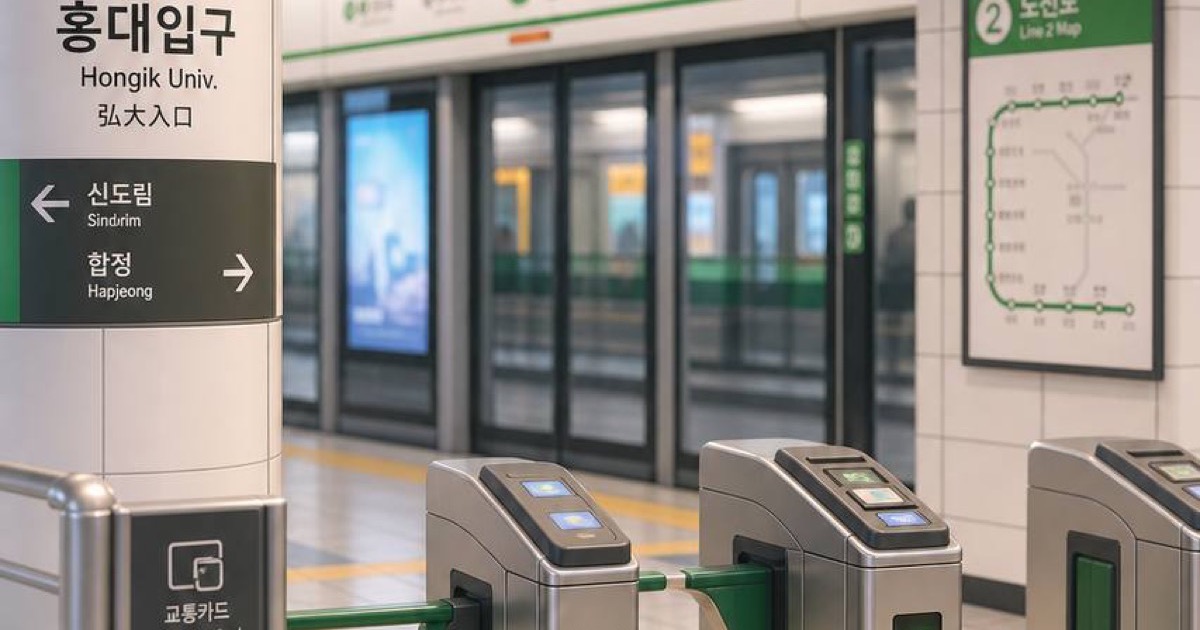
Korean terminals are split in ways the signs assume you already understand. At the Seoul end, 경부선 (gyeongbuseon) buses heading south-east and 호남선 (honamseon) buses heading south-west leave from two different buildings on the same block, the second one called 센트럴시티 (senteureolsiti). Getting to the right hall is a place question, and Pattern 04 is the shortest one you can ask.
You: 호남선 터미널 어디예요? — honamseon teomineol eodiyeyo? — "Where's the Honam-line terminal?"
Them: 길 건너편 건물이에요. — gil geonneopyeon geonmurieyo. — "It's the building across the road."
You: 표 어디서 사요? — pyo eodiseo sayo? — "Where do I buy a ticket?"
Them: 저기 매표소나 기계에서 사시면 돼요. — jeogi maepyosona gigyeeseo sasimyeon dwaeyo. — "At the counter over there, or the machine."
The three place questions are worth keeping apart, because they are not interchangeable. 어디예요? asks where a thing is — 매표소 어디예요? 어디 있어요? asks whether it exists somewhere and where — 화장실 어디 있어요? (hwajangsil eodi isseoyo?). And 어디서 marks where an action happens, which is why buying takes -서: 표 어디서 사요?, 어디서 타요? (eodiseo tayo?), "Where do I get on?" Learners who reach for 어디예요 every time still get pointed in the right direction, but the -서 version is the one that gets you the bay number instead of the building.
| Situation | Say this |
|---|---|
| Find the counter | 매표소 어디예요? (maepyoso eodiyeyo?) |
| Find where to buy | 표 어디서 사요? (pyo eodiseo sayo?) |
| Ask what's left | 다음 차 자리 있어요? (daeum cha jari isseoyo?) |
| Ask the departure | 몇 시에 출발해요? (myeot sie chulbalhaeyo?) |
| Find the bay | 몇 번 승차홈이에요? (myeot beon seungchahomieyo?) |

Practice this out loud with SULSUL — the app says it, you repeat it →
How do you talk about the time the bus leaves?
Pattern 28 is one particle doing one job: 에 goes on a clock time or a date, and then the sentence is finished. 몇 시에 출발해요?, 세 시에 출발해요 (se sie chulbalhaeyo), "It leaves at three." The catch is the words that refuse it — 오늘, 내일, 지금, 어제, 매일 never take 에. 내일에 가요 is the mistake almost everyone makes once; it is just 내일 가요.
You: 부산 가는 차 몇 시에 있어요? — busan ganeun cha myeot sie isseoyo? — "What times are there for Busan?"
Them: 두 시하고 세 시 반에 있어요. — du sihago se si bane isseoyo. — "There's one at two and one at half past three."
You: 세 시 반 차로 주세요. — se si ban charo juseyo. — "The half-three one, please."
Them: 창가 자리 드릴까요? — changga jari deurilkkayo? — "Shall I give you a window seat?"
Hours are native numbers and minutes are Sino numbers, which is why the clock sounds like two languages stitched together: 세 시 삼십 분 (se si samsip bun). The other number you need is the seat — Korean coach seats are assigned, so the ticket carries a 좌석번호 (jwaseok beonho) and a 승차홈 (seungchahom), the numbered bay outside. 얼마나 걸려요? (eolmana geollyeoyo?), "How long does it take?" and 몇 시에 도착해요? (myeot sie dochakhaeyo?), "What time does it arrive?" are the two follow-ups that decide whether you eat before you get on. For the same conversation at a railway window, see Korean phrases for buying a KTX train ticket.
What usually goes wrong at a Korean bus terminal?
The first thing is the word on the board. 고속버스 runs city to city on the motorway with almost no stops, while 시외버스 (sioebeoseu) is the intercity service that calls at small towns on the way, and the two often sell from different counters in the same hall — Seoul's 동서울터미널 (dongseoul teomineol) is mostly the second kind. Asking 고속이에요, 시외예요? (gosogieyo, sioeyeyo?) before you pay saves an hour of extra stops. Seats also sell out in a way train seats do not: 매진이에요 (maejinieyo), "It's sold out," is what you hear on a holiday weekend, and 다음 차는 자리 있어요? is the reply that finds you a later one. Around Chuseok the whole country books the same three days, so the counter is the last place to start looking.
The second is the break in the middle. Anything over about two hours stops at a 휴게소 (hyugeso), the motorway service area, and the driver announces a departure time rather than a duration — they will say 삼십 분에 출발합니다 (samsip bune chulbalhamnida), "We leave at thirty past," and then the bus leaves at thirty past whether or not you are on it. 몇 시에 출발해요? asked at the door as you step off is the single most useful sentence of the journey, and what to do with those fifteen minutes is in Korean phrases at a highway rest stop in Korea.
The third is the luggage. The hold is open and unattended, so bags go in yourself, and the terminal has coin lockers for anything you do not want to carry around a city for a day — that counter is Korean phrases for using a coin locker in Korea. When you arrive, the bus drops you at a terminal on the edge of town rather than the centre, and the last leg is a city bus you pay for by tapping — Korean phrases for riding the bus in Korea covers that part.
Say it out loud, not just in your head
몇 시에 출발해요? is a sentence with a deadline attached — the driver is already climbing back in, and the bus does not wait while you type.
SULSUL is a speaking gym for exactly that moment: pick a survival pattern, say it out loud, get an instant fix from the AI pronunciation coach, then run the real situation as a mission. The 100-pattern PDF workbook comes along as a bonus.