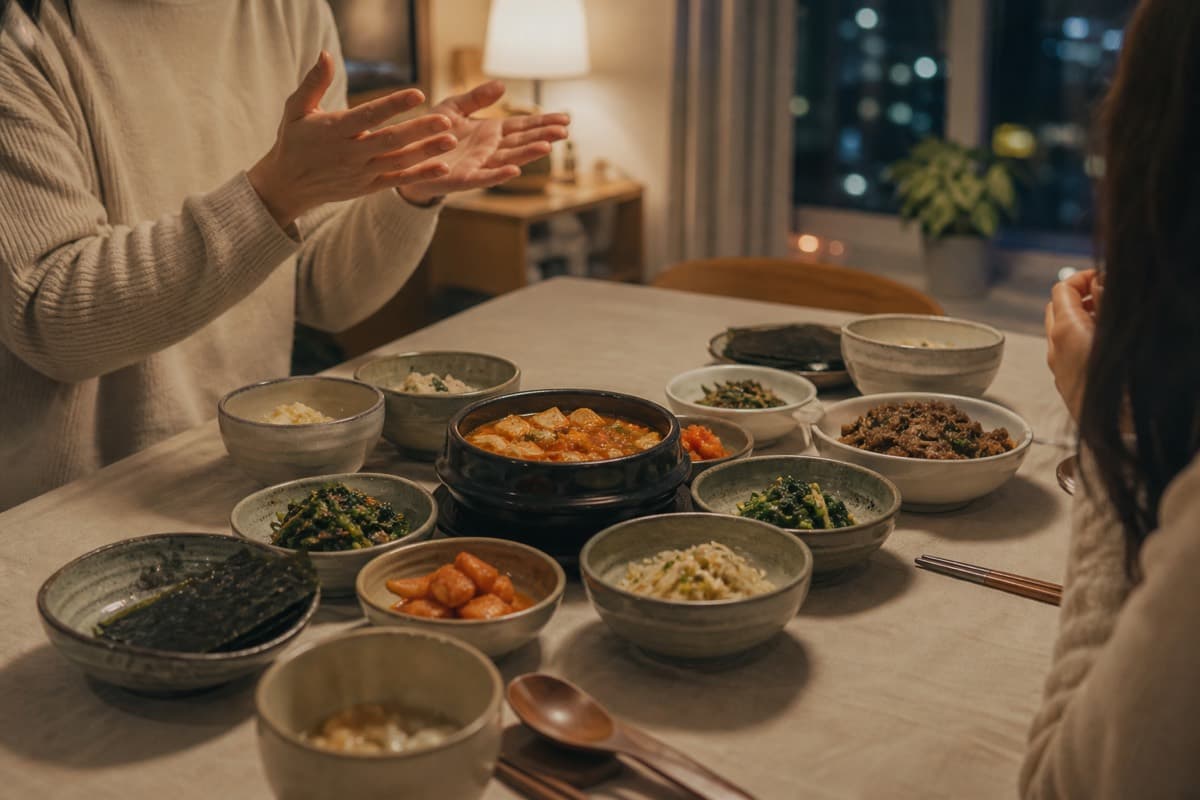
Korean Phrases for Buying Flowers at a Korean Flower Shop
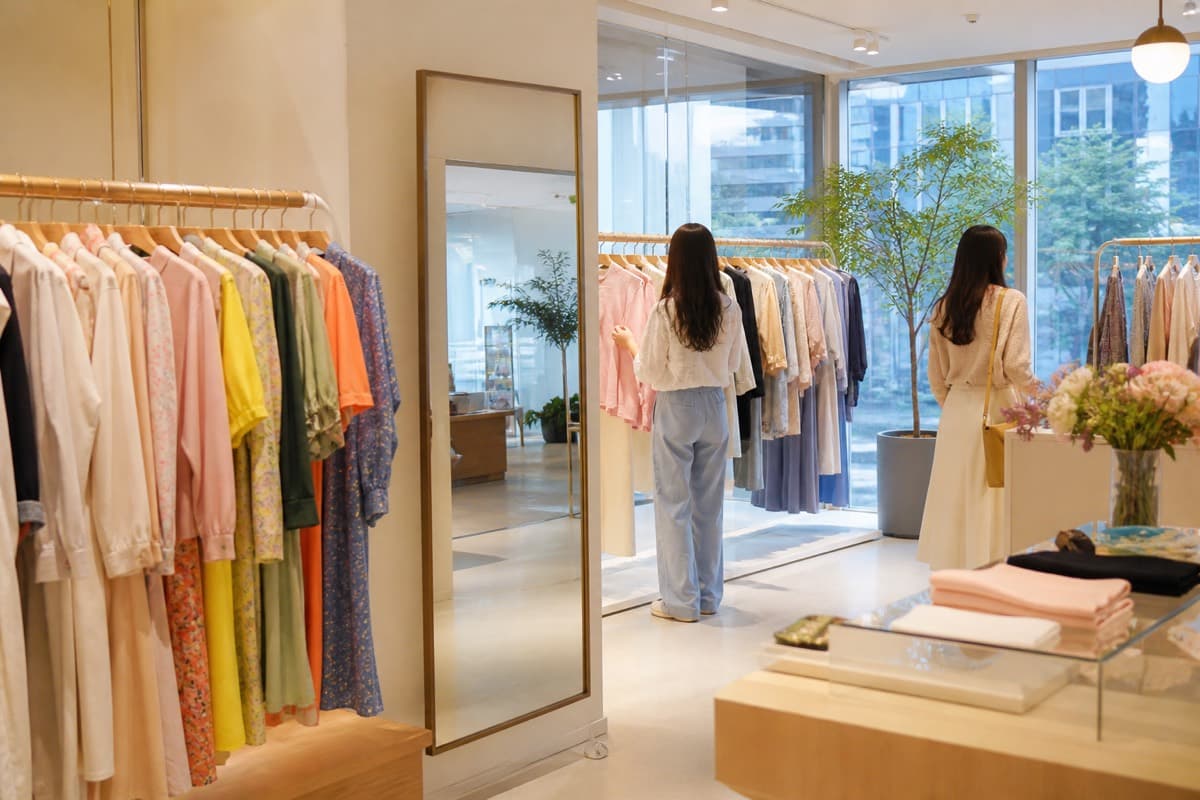
A 꽃집 (kkotjip), a Korean flower shop, asks you one question before anything else, and it is never "which flowers." It is 어디에 쓰실 거예요? — what is this for. Answer that and the florist does the rest: picks the stems, picks the colour, picks whether it should be a bouquet or a basket. Two patterns from the SULSUL workbook cover the whole visit. Pattern 47 — -려고 / -기 위해서 — is how you state the purpose: 선물하려고요 (seonmulharyeogoyo), "It's for a gift." Pattern 46 — -는 게 어때요? / -는 게 좋겠어요 — is what the florist says back, and what you say to accept it: 꽃바구니로 하는 게 어때요? (kkotbaguniro haneun ge eottaeyo?), "How about a flower basket?"
- Say why you came: 꽃 사려고 왔어요 (kkot saryeogo wasseoyo), "I came to buy flowers."
- Say who it's for: 친구한테 주려고요 (chinguhante juryeogoyo), "It's for a friend."
- Hand the choice over: 추천해 주세요 (chucheonhae juseyo), "Please recommend something."
- Accept the suggestion: 그럼 그렇게 할게요 (geureom geureoke halgeyo), "Then let's do that."
- Ask for the wrapping: 포장 예쁘게 해 주세요 (pojang yeppeuge hae juseyo), "Please wrap it nicely."
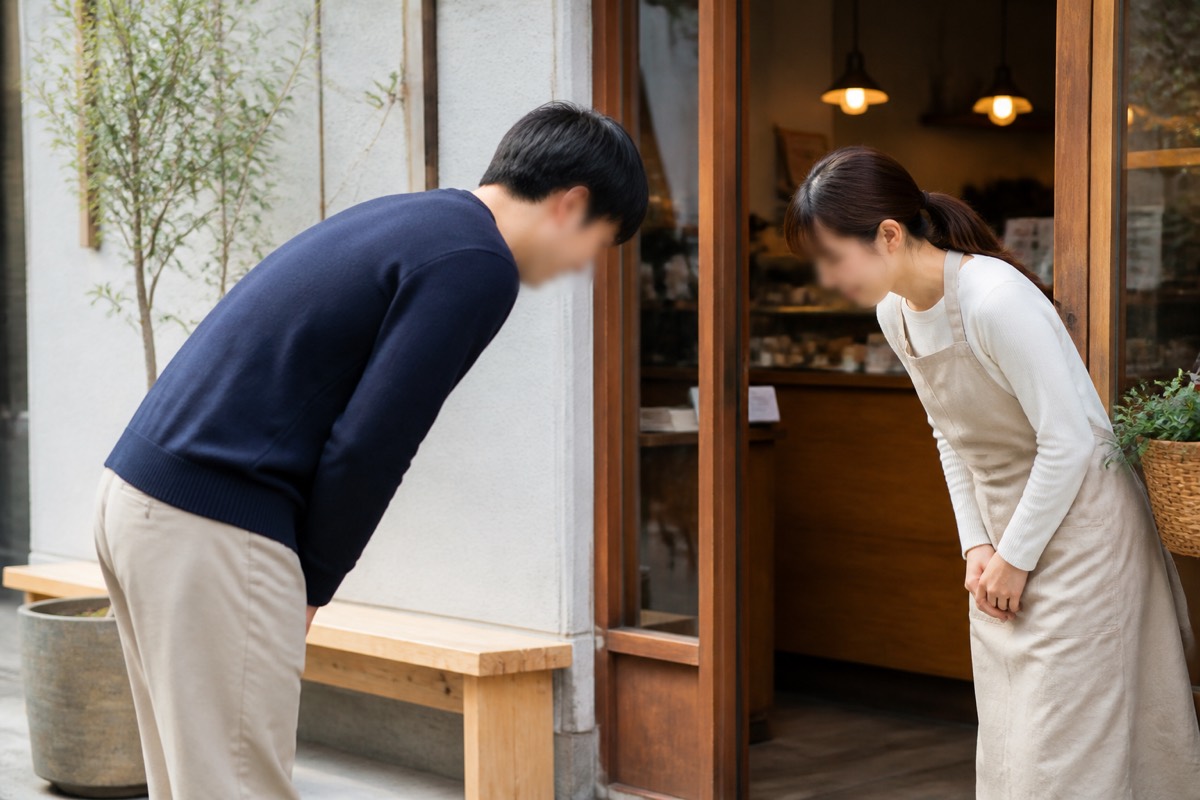
How do you tell a florist what the flowers are for?
Korean flower shops do not really work by variety. Say 장미 주세요, "roses please," and you will get roses, but you will also get a slightly puzzled pause, because the florist is missing the one piece of information that decides everything else — the occasion. Pattern 47 hands it over in four syllables.
Them: 어서 오세요. 어떤 거 찾으세요? — eoseo oseyo. eotteon geo chajeuseyo? — "Come in. What are you looking for?"
You: 꽃다발 하나 사려고요. — kkotdabal hana saryeogoyo. — "I'd like to buy a bouquet."
Them: 어디에 쓰실 거예요? — eodie sseusil geoyeyo? — "What's it for?"
You: 친구 졸업식에 가져가려고요. — chingu joreopsige gajyeogaryeogoyo. — "I'm taking it to a friend's graduation."
The grammar is one syllable of care. -려고 goes on a verb stem that ends in a vowel — 주다 → 주려고, 가다 → 가려고 — and -으려고 on one that ends in a consonant: 먹으려고 (meogeuryeogo), 받으려고 (badeuryeogo). Stems ending in ㄹ keep it: 만들려고 (mandeullyeogo). The version you will actually say most is -려고요, the sentence stopped right after the purpose, which in Korean is a complete and polite answer rather than a trailing-off. The textbook alternative -기 위해서 is not wrong, it is just formal — 꽃을 사기 위해서 왔습니다 is how you would narrate this in a documentary, not how you ask a florist for tulips.
| Situation | Say this |
|---|---|
| Say why you came | 꽃 사려고 왔어요 (kkot saryeogo wasseoyo) |
| For a gift | 선물하려고요 (seonmulharyeogoyo) |
| For a graduation | 졸업식에 가져가려고요 (joreopsige gajyeogaryeogoyo) |
| Ask for a recommendation | 추천해 주세요 (chucheonhae juseyo) |
| Ask for nice wrapping | 포장 예쁘게 해 주세요 (pojang yeppeuge hae juseyo) |
Practice this out loud with SULSUL — the app says it, you repeat it →
What does the florist suggest, and how do you answer?
Once the purpose is out, the florist starts proposing, and almost every proposal arrives in the same shape. Pattern 46 is that shape. It is a verb stem plus -는 게 어때요?, regardless of whether the stem ends in a consonant — 가는 게 어때요?, 먹는 게 어때요? — with one exception, the ㄹ that quietly drops out: 만들다 → 만드는 게 어때요? (mandeuneun ge eottaeyo?).
Them: 얼마 정도 생각하세요? — eolma jeongdo saenggakhaseyo? — "Roughly what were you thinking?"
You: 잘 몰라서요… 추천해 주시는 게 좋겠어요. — jal mollaseoyo… chucheonhae jusineun ge jokesseoyo. — "I don't really know — it'd be better if you picked."
Them: 그럼 꽃다발 말고 꽃바구니로 하는 게 어때요? — geureom kkotdabal malgo kkotbaguniro haneun ge eottaeyo? — "Then how about a basket instead of a bouquet?"
You: 네, 그게 좋겠어요. — ne, geuge jokesseoyo. — "Yes, that would be better."
The two halves of the pattern point in opposite directions. -는 게 어때요? puts the decision on the other person, so it is what the florist uses on you. -는 게 좋겠어요 puts it back on yourself — "I think it'd be better to…" — and it is softer than 할게요, which is why it works so well for accepting something you were just offered. Both need a verb. If you only have a noun, the question is the short one: 이거 어때요? (igeo eottaeyo?), "How about this one?" Learners tend to jam 어때요 onto everything and lose the -는 게; the full version is what makes it sound like a suggestion rather than a request for an opinion about an object. Handing a decision to a stranger politely is its own small skill, and the rest of it is in how to politely ask for help in Korean.
What usually goes wrong at a Korean flower shop?
The first thing is the flower itself, and it is the mistake with the highest cost. 국화 (gukhwa), the chrysanthemum, especially a white one, is a funeral flower in Korea. It is beautiful, it is everywhere in autumn, and handing a bunch of it to someone on their birthday reads as something close to a curse. The same logic governs 화환 (hwahwan), the tall wreaths on stands you see outside shops and funeral halls — a 축하화환 (chukhahwahwan) for a shop opening and a 근조화환 (geunjohwahwan) for a funeral are the same object with different ribbons, and you order them by name, never by pointing.
The second is the calendar. Flowers in Korea are seasonal in a way that has nothing to do with growing seasons. February and March are graduation and entrance ceremonies, and every shop near a school sells out. May has 어버이날 (eobeoinal), Parents' Day, when the carnation is not a suggestion but the expected flower, and 스승의 날 (seuseungui nal) a week later. Going on the day itself means picking from what is left; 미리 주문할게요 (miri jumunhalgeyo), "I'll order in advance," is the phrase that avoids the whole problem, and 이따 찾으러 올게요 (itta chajeureo olgeyo), "I'll come pick it up later," is how you leave without carrying it around all afternoon. That last one sits next to the lookalike that trips people up. -러 is the purpose of moving somewhere, so it only ever leads into 가다, 오다 or 다니다 — 찾으러 올게요, 꽃 사러 왔어요 — and it is the more natural of the two when the sentence is about coming and going. -려고 takes any verb at all: 꽃 사려고 돈을 모았어요, "I saved up to buy flowers," where -러 is simply not available.
The third is where you buy. A neighbourhood 꽃집 is the easy option and the florist will talk you through it. The wholesale flower markets are a different experience entirely — the biggest one in Seoul sits under the express bus terminal, opens before dawn, and closes by lunchtime, and prices there work like a traditional market rather than a shop, which is a separate set of phrases in how to bargain at Korean markets. Wherever you buy, stems are counted with 송이 (songi) — 한 송이 (han songi), one stem, 세 송이, three — and pots with 개, and the counting system behind that is laid out in Korean numbers for paying and counting. One last swap worth knowing: for a shop opening or a housewarming, Koreans usually bring a 화분 (hwabun), a potted plant, rather than cut flowers, because it lasts. What else to carry through that door is in Korean phrases for a housewarming party, and the flower rules at a wedding are stricter still — those are in Korean phrases for being a wedding guest in Korea.
Say it out loud, not just in your head
선물하려고요 is four syllables that decide the next ten minutes of a conversation. It only helps if it arrives before the florist has to ask twice.
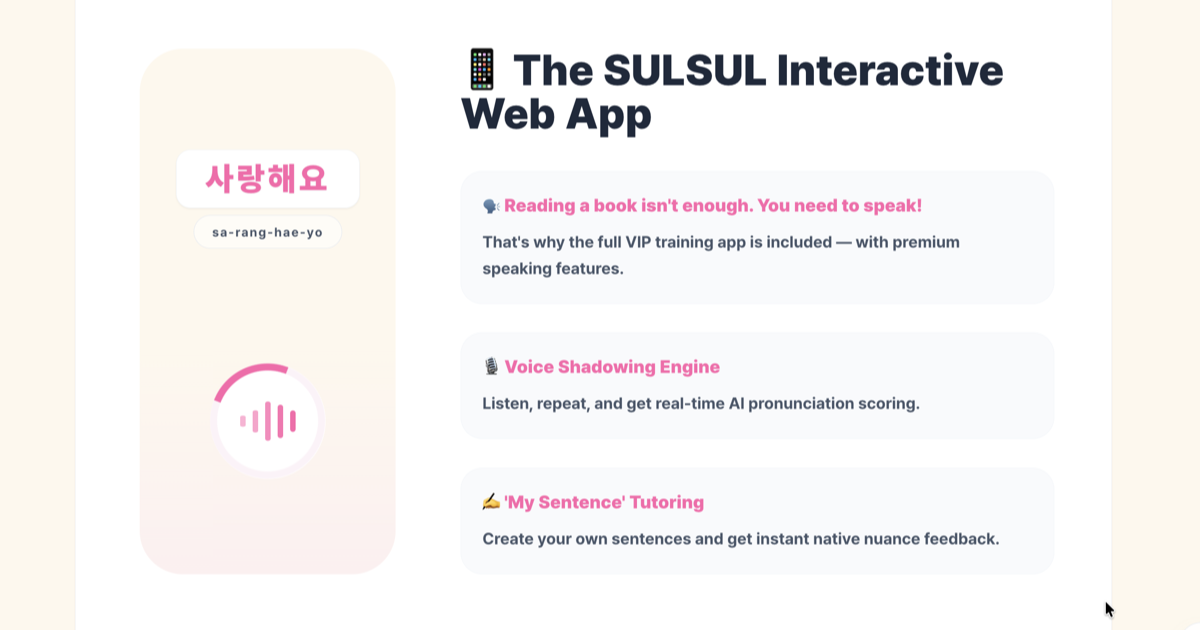
SULSUL is a speaking gym for exactly that moment: pick a survival pattern, say it out loud, get an instant fix from the AI pronunciation coach, then run the real situation as a mission. The 100-pattern PDF workbook comes along as a bonus.