Korean Phrases for Ordering Malatang at a Self-Serve Bar

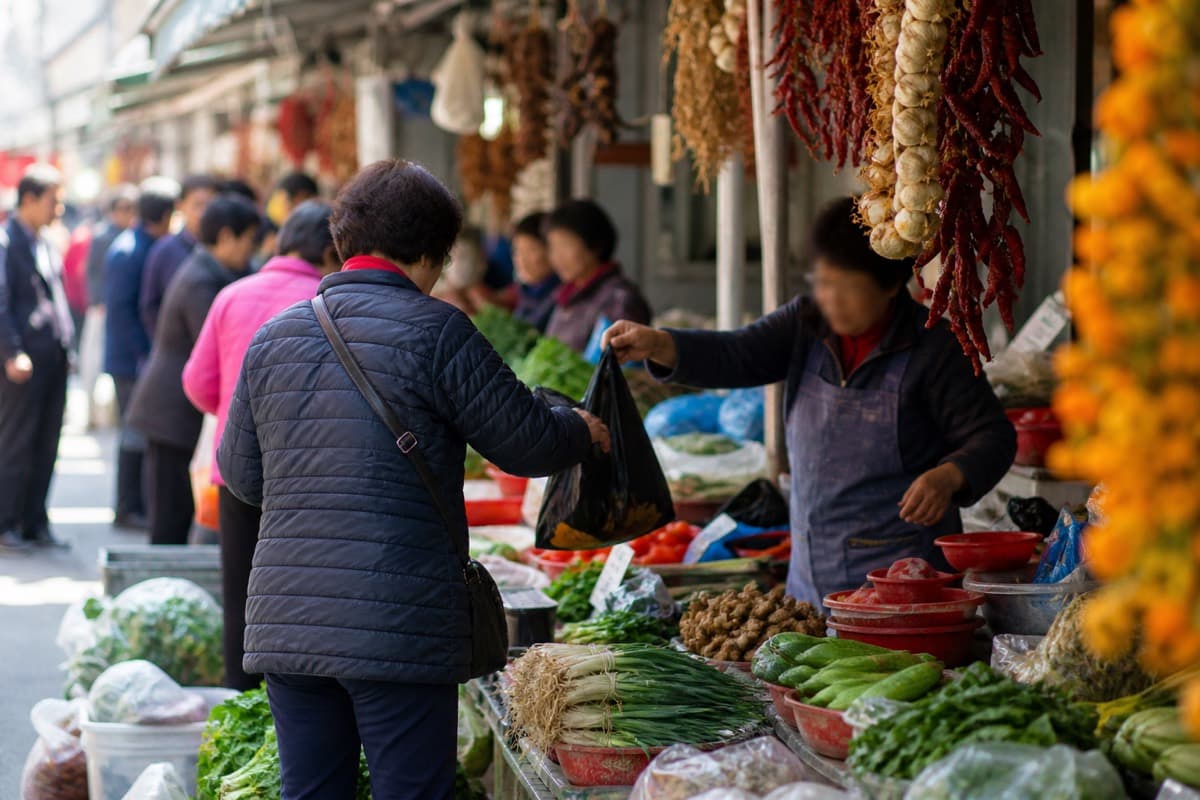
마라탕 (malatang) shops do not really have a menu. You are handed a metal bowl and a pair of tongs, pointed at a wall of bins, and expected to build the dish yourself before anyone speaks to you. The two sentences that carry the whole visit are 여기 담으면 돼요? (yeogi dameumyeon dwaeyo?), "Do I put it in here?" and 고수 빼 주세요 (gosu ppae juseyo), "No cilantro, please" — the second one only works if you say it before the pot goes on.
- Check the system: 여기 담으면 돼요? (yeogi dameumyeon dwaeyo?), "Do I put it in here?"
- Ask about noodles: 면은 뭐 있어요? (myeoneun mwo isseoyo?), "What noodles do you have?"
- Keep it mild: 안 맵게 해 주세요 (an maepge hae juseyo), "Please make it not spicy."
- Skip the cilantro: 고수 빼 주세요 (gosu ppae juseyo), "No cilantro, please."
- Ask for more soup: 국물 더 주세요 (gungmul deo juseyo), "More broth, please."
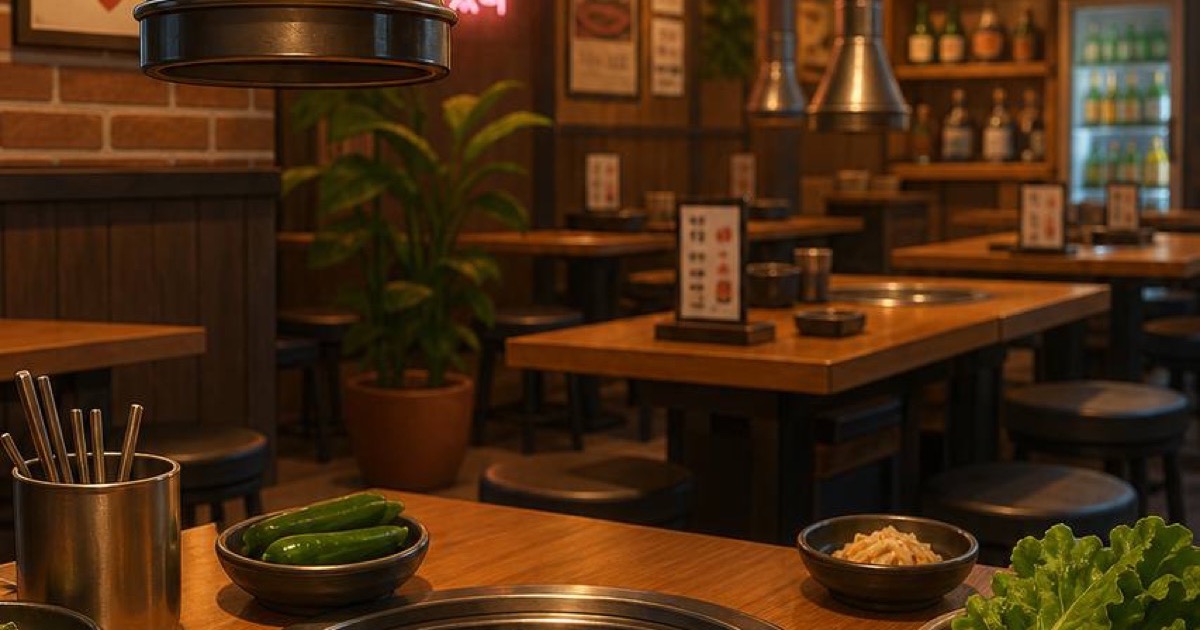
How does the bar actually work?
Nobody explains it, because every Korean customer in the room has done it since middle school.
- 여기 담으면 돼요? holding up the bowl, which sorts out the one thing signs never make obvious.
- Fill it from the bins with the tongs — vegetables, mushrooms, fish cake, sliced meat, whatever you recognise.
- 면은 뭐 있어요? at the noodle section, since the chewy wide 넓적당면 and the thin 중국당면 behave completely differently in broth.
- Hand the bowl over the counter, then 안 맵게 해 주세요 and 고수 빼 주세요 in that order, before they start cooking.
- Take the number, sit down, and use 국물 더 주세요 when it arrives thicker than you expected.
| Moment | Say this |
|---|---|
| Picking up the bowl | 여기 담으면 돼요? (yeogi dameumyeon dwaeyo?) |
| At the noodle bin | 면은 뭐 있어요? (myeoneun mwo isseoyo?) |
| Handing it over | 안 맵게 해 주세요 (an maepge hae juseyo) |
| Before it cooks | 고수 빼 주세요 (gosu ppae juseyo) |
| At the table | 국물 더 주세요 (gungmul deo juseyo) |
Practice this out loud with SULSUL — the app says it, you repeat it →
What do Korean speakers say back?
The counter is fast and the staff ask everything in one breath, so the skill is catching which question just landed.
You: 여기 담으면 돼요? — yeogi dameumyeon dwaeyo? — "Do I put it in here?"
Them: 네, 담아서 저울에 올려 주세요 — ne, damaseo jeoure ollyeo juseyo — "Yes, fill it and put it on the scale."
You: 면은 뭐 있어요? — myeoneun mwo isseoyo? — "What noodles do you have?"
Them: 중국당면이랑 넓적당면 있어요. 맵기는요? — junggukdangmyeonirang neopjeokdangmyeon isseoyo. maepgineunyo? — "Glass noodles and wide noodles. And the spice?"
You: 안 맵게 해 주세요. 고수 빼 주세요 — an maepge hae juseyo. gosu ppae juseyo — "Not spicy, and no cilantro."
Them: 번호표 들고 앉아 계세요 — beonhopyo deulgo anja gyeseyo — "Take the number tag and have a seat."
저울 (jeoul) is the scale — malatang is sold by the weight of what you picked, so the bowl you build is the order. For the other place Korean sells heat in numbered steps, see Korean phrases for picking a spice level at a tteokbokki shop.
What usually goes wrong at a malatang shop?
The most common one is filling the bowl like a buffet plate. Everything on that bar is raw and the leafy things collapse to nothing, so a bowl that looks modest at the bins can arrive as far more food than you wanted. If you have overdone it, 덜어도 돼요? (deoreodo dwaeyo?), "Can I take some back out?" is a normal thing to ask before it is weighed, and nobody minds.
The second is the cilantro. Many shops add 고수 by default, and once it is in the broth it cannot come out, which is why 고수 빼 주세요 belongs at the counter and not at the table. The third is the name: 마라탕 is the soup, while 마라샹궈 (malasyanggwo) is the same bar of ingredients stir-fried dry with no broth at all. If a real allergy rather than a preference is in play, the sentences for that are in Korean phrases for food allergies and diet restrictions.
Say it out loud, not just in your head
The whole exchange happens standing at a counter with a queue behind you, and the staff ask about spice before you have finished the sentence about noodles.
SULSUL is a speaking gym for exactly that moment: pick a survival pattern, say it out loud, get an instant fix from the AI pronunciation coach, then run the real situation as a mission. The 100-pattern PDF workbook comes along as a bonus.