Korean Words Meaning in Nepali: आमा, दिदी, दाइ and the K-Drama Words Nepali Fans Already Know
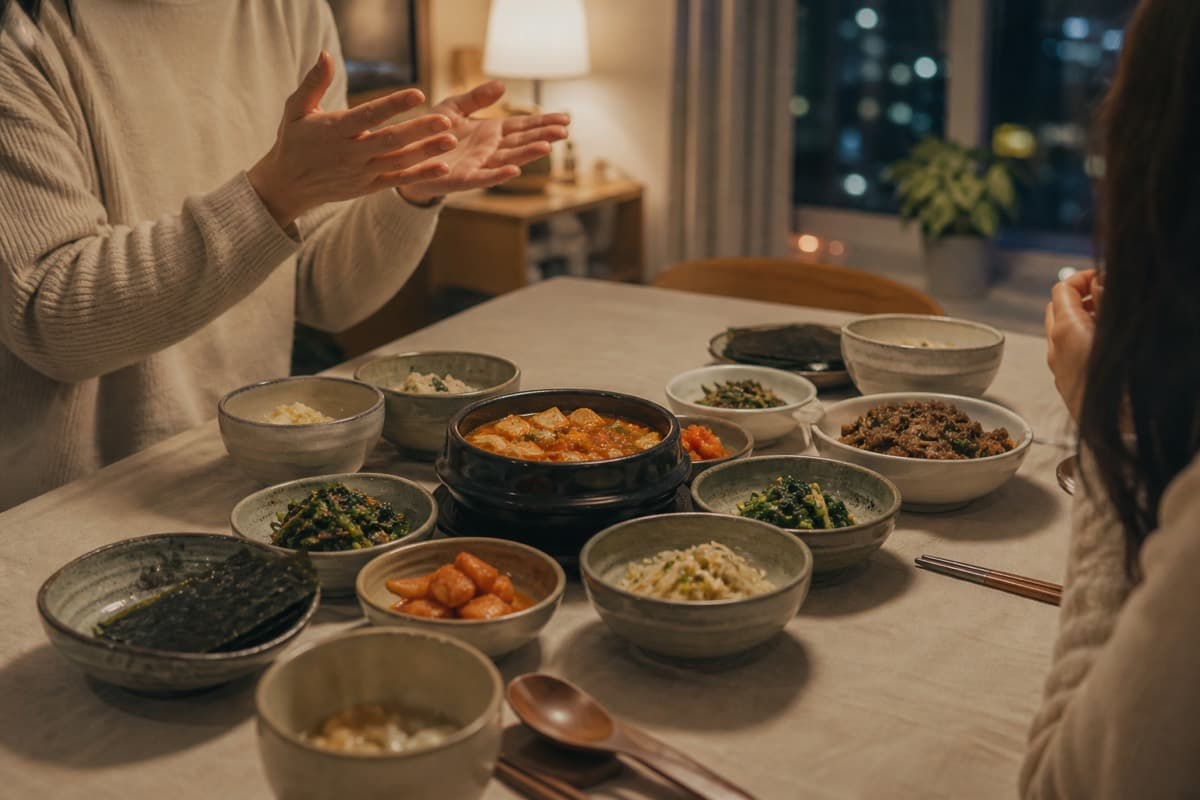
If you speak Nepali and watch K-dramas, you already know more Korean than you think. 엄마 (eom-ma) means आमा — "mom." 언니 (eon-ni) and 누나 (nu-na) both mean दिदी — "older sister." 오빠 (o-ppa) and 형 (hyeong) both mean दाइ — "older brother." 사랑해 (sa-rang-hae) means म तिमीलाई माया गर्छु — "I love you." And the first question a Korean mother asks, 밥 먹었어? (bap meo-geo-sseo?), is the same question a Nepali mother asks: खाना खायौ?
- 엄마 / 아빠 (eom-ma / a-ppa) — आमा / बुबा — "mom / dad"
- 언니, 누나 (eon-ni, nu-na) — दिदी — "older sister"
- 오빠, 형 (o-ppa, hyeong) — दाइ — "older brother"
- 동생 (dong-saeng) — भाइ / बहिनी — "younger sibling"
- 밥 먹었어요? (bap meo-geo-sseo-yo?) — खाना खानुभयो? — "Have you eaten?"
The rest of this page goes through the family words, the politeness levels that work just like तिमी and तपाईं, the reactions you hear in every episode, and the four places where thinking in Nepali leads you to the wrong Korean.
आमा and 엄마: the Korean words that sound like home
Only a handful of Korean words actually sound Nepali, but the ones that do are the warmest words in any drama:
- 엄마 (eom-ma) — आमा — mom. Heard in every crying scene, usually shouted down a hospital hallway.
- 아빠 (a-ppa) — बुबा / बा — dad. Korean children say it the way Nepali children say बा.
- 아이고 (a-i-go) — आइया / ओहो — the sigh of a tired grandmother, a sore back, or a big bill.
- 네 (ne) — हजुर — "yes," the polite answer when someone calls your name.
- 응 (eung) — अँ — "yeah," the casual one between friends.
You will not find a long list of shared words, because the two languages are not related. What they share is something more useful: the same way of addressing people and the same sentence order.
Practice this out loud with SULSUL — the app says it, you repeat it →
दिदी, दाइ, भाइ, बहिनी in Korean
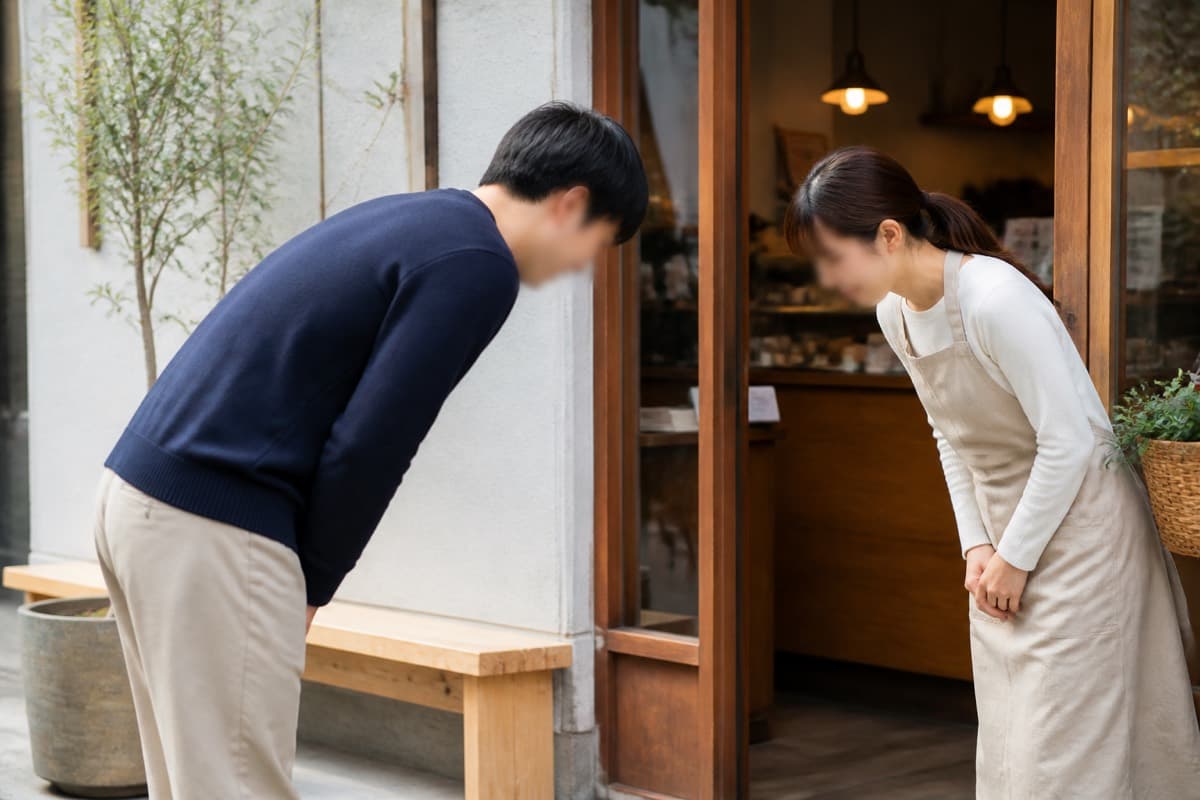
In Nepal you do not call an older person by name alone. You call them दिदी or दाइ — even the man at the tea shop. Korean works the same way, with one extra rule: the word depends on whether the speaker is a girl or a boy.
| Korean | Who says it | Nepali | English |
|---|---|---|---|
| 언니 (eon-ni) | a girl, to an older woman | दिदी | older sister |
| 누나 (nu-na) | a boy, to an older woman | दिदी | older sister |
| 오빠 (o-ppa) | a girl, to an older man | दाइ | older brother |
| 형 (hyeong) | a boy, to an older man | दाइ | older brother |
| 동생 (dong-saeng) | anyone, about someone younger | भाइ / बहिनी | younger sibling |
| 사장님 (sa-jang-nim) | anyone, to a shop owner | साहुजी | boss, owner |
So when a girl in a drama calls a man 오빠, think दाइ. When a boy calls his older friend 형, that is also दाइ. And 사장님 is your साहुजी — the polite way to call the owner of a small restaurant or shop.
The big surprise for Nepali viewers: a Korean girl calls her boyfriend 오빠. A Nepali girl would never call her boyfriend दाइ, which is why the word sounds so strange the first time and so sweet once you get used to it.
तिमी, तपाईं, हजुर: Korean has the same ladder
Nepali speakers grow up switching between तँ, तिमी, तपाईं, and हजुर depending on who is in front of them. English speakers find this hard. You already do it every day — and Korean has nearly the same ladder.
In Korean, the switch happens at the end of the verb:
| Level | Korean | Nepali | English |
|---|---|---|---|
| close friends, younger people | 와 (wa) | आऊ (तिमी) | come |
| polite, everyday | 오세요 (o-se-yo) | आउनुहोस् (तपाईं) | please come |
| close friends | 고마워 (go-ma-wo) | थ्यांक्स | thanks |
| polite, formal | 감사합니다 (gam-sa-ham-ni-da) | धन्यवाद | thank you |
| close friends | 미안해 (mi-an-hae) | सरी है | sorry |
| polite, formal | 죄송합니다 (joe-song-ham-ni-da) | माफ गर्नुहोस् | I apologize |
A simple rule: Korean -요 is your तपाईं level. Add it, and you are being polite to a stranger or an elder. Leave it off, and you sound like two best friends in a drama. The very formal -니다 endings are the हजुर level — news anchors, company meetings, and the soldier who reports to his captain.
Building a Korean sentence in Nepali order
English says "I ate rice." Nepali and Korean both put the verb at the end:
나는 밥을 먹었어. (na-neun ba-beul meo-geo-sseo.) मैले भात खाएँ। (maile bhaat khaaen.) I — rice — ate.
Both languages also attach small endings to words instead of putting a separate word in front. Korean 학교에 (hak-gyo-e) is "to school," just like Nepali स्कूलमा. Korean 친구하고 (chin-gu-ha-go) is "with a friend," like साथीसँग. When you translate in your head from Nepali, the Korean pieces fall in the same order. You never have to flip the sentence around.
खाना खानुभयो? The greeting Korea and Nepal share
In Nepal, "Have you eaten?" is often how you say hello. Korea is exactly the same. Nobody is really asking about your lunch — it means "I care about you."
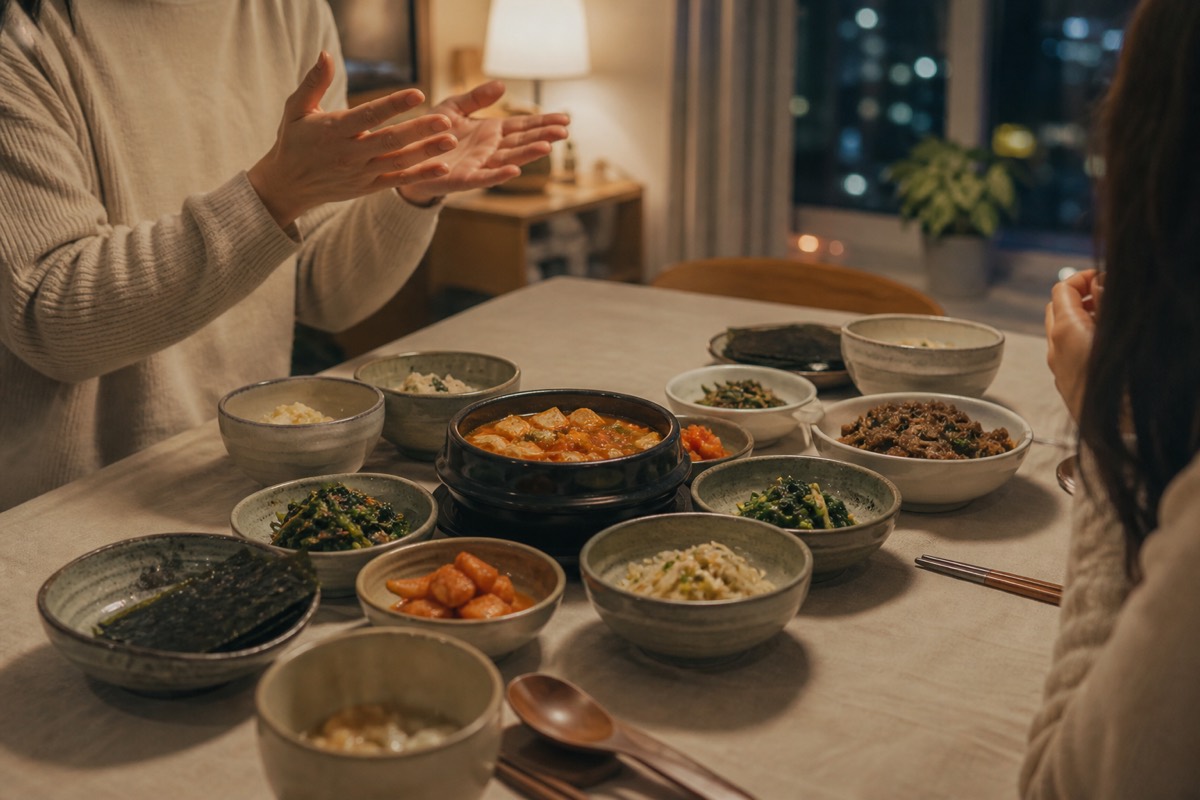
- 밥 먹었어? (bap meo-geo-sseo?) — खाना खायौ? — to a friend
- 식사하셨어요? (sik-sa-ha-syeo-sseo-yo?) — खाना खानुभयो? — to an elder
- 많이 먹어 (ma-ni meo-geo) — धेरै खाऊ — "eat a lot," said by every drama grandmother
- 잘 자 (jal ja) — राम्ररी सुत — "sleep well"
- 조심해 (jo-sim-hae) — होसियार — "be careful"
- 보고 싶어 (bo-go si-peo) — तिम्रो याद आयो — "I miss you," literally "I want to see you"
A short exchange between two friends:
A: 밥 먹었어? (bap meo-geo-sseo?) — खाना खायौ? B: 아직. 너는? (a-jik. neo-neun?) — अहिलेसम्म खाएको छैन। तिमीले? A: 나도. 같이 먹자! (na-do. ga-chi meok-ja!) — मैले पनि। सँगै खाऔँ!
K-drama reactions with a Nepali match
These short words fill every episode. Learn them and half the subtitles become unnecessary:
- 대박 (dae-bak) — कस्तो राम्रो! / गजब! — "Amazing!"
- 헐 (heol) — के?! / हैट! — "Wait, what?"
- 진짜? (jin-jja?) — साँच्चै? — "Really?"
- 어떡해 (eo-tteo-ke) — अब के गर्ने? — "What do I do now?"
- 괜찮아 (gwaen-chan-a) — ठिक छ — "It's okay." Also "are you okay?" when said with a rising voice.
- 가지 마 (ga-ji ma) — नजाऊ — "Don't go," the line before every airport scene.
- 화이팅 (hwa-i-ting) — आँट गर! / सक्छौ! — "You've got this!" It comes from English "fighting," but nobody fights.
Four mistakes Nepali speakers make in Korean
1. Calling every man 오빠, like दाइ. In Nepal, any shopkeeper can be दाइ. In Korea, a woman saying 오빠 to a stranger sounds flirty. Use 사장님 for an owner, 저기요 (jeo-gi-yo, "excuse me") to get anyone's attention, or 아저씨 (a-jeo-ssi) for a middle-aged man.
2. Using 너 with elders. 너 (neo) is तँ / तिमी, never तपाईं. Saying it to a friend's mother is like saying तँ to your own aunt. Korean easily drops "you" altogether, so use her title — 어머니 (eo-meo-ni) — or leave "you" out.
3. Saying 엄마 to someone else's mother. 엄마 is the warm आमा at home. For a friend's mother, use 어머니, the respectful form, much like आमा said with हजुर behind it.
4. Reading Korean letters like English. Korean ㅂ, ㄷ, ㄱ are soft sounds, close to Nepali प, त, क without the puff of air. Korean ㅍ, ㅌ, ㅋ carry the puff, close to फ, थ, ख. Your Nepali ear already hears this difference; most English speakers cannot. Trust it, and read 밥 as bap, not a hard English "bob."
Say them out loud before the next episode
Knowing that 밥 먹었어? is खाना खायौ? takes one second. Saying it to a Korean friend with the right rhythm, without stopping to build the sentence, takes practice. Words you have said out loud are the ones that stay.
Pick three lines from this page — 언니, 괜찮아, 밥 먹었어? — and say each one five times. Then play both A and B in the dialogue above. Next time a drama character calls out 오빠, you will hear दाइ — and you can answer back in Korean.
SULSUL is a speaking gym for that moment: pick a pattern, say it out loud, get an instant fix from the AI pronunciation coach, then run the real situation as a mission. The 100-pattern PDF workbook comes along as a bonus.