Korean Words Meaning in Urdu: امی، ابو، چائے and the K-Drama Words Urdu Speakers Hear Right Away


If you speak Urdu and watch K-dramas, a few Korean words will feel familiar from the first episode. 엄마 (eom-ma) means امی — "mom." 아빠 (a-ppa) means ابو — "dad." 차 (cha) means چائے — "tea." But one tiny word will fool you every time: 네 (ne) sounds like the start of نہیں, and it means yes — the Korean جی.
- 엄마 (eom-ma) — امی — "mom"
- 아빠 (a-ppa) — ابو — "dad"
- 차 (cha) — چائے — "tea"
- 네 (ne) — جی، ہاں — "yes" (not "no"!)
- 아이고 (a-i-go) — ہائے اللہ — "oh no, oh my"
Below: the words that sound like home, the yes-and-no trap, the Korean versions of باجی and بھائی جان, how Korean politeness lines up with تو، تم، آپ, and the reactions you hear in every episode.
Ammi, Abbu, Chai: Korean words an Urdu ear already knows
- 엄마 (eom-ma) — امی — mom. The word every drama character cries out when things fall apart.
- 아빠 (a-ppa) — ابو — dad. Close enough that you will never forget it.
- 차 (cha) — چائے — tea. Both words travelled from Chinese chá, one through Persian into Urdu, one straight into Korean. 녹차 (nok-cha) is green tea; 차 마실래? (cha ma-sil-lae?) is "Want some tea?" Careful: 차 also means "car," so context does the work.
- 이리 와 (i-ri wa) — ادھر آؤ — "come here." The hero's line, arms open.
These matches are mostly coincidence or shared borrowing, not family ties. That is fine. A word you can hear in your own language is a word you keep.
Practice this out loud with SULSUL — the app says it, you repeat it →
네 means yes: the trap for every Urdu speaker
This is the one to learn first, because it can turn a conversation upside down.
| Korean | Sounds like | Means | Urdu |
|---|---|---|---|
| 네 (ne) | "nah," "nay" | yes | جی، ہاں |
| 예 (ye) | "yeh" | yes (more formal) | جی ہاں |
| 아니요 (a-ni-yo) | — | no | نہیں جی |
| 아니 (a-ni) | — | no (casual) | نہیں |
When a shopkeeper asks 카드 돼요? — "Can I pay by card?" — and hears 네, the answer is جی، ہو جائے گا. And 네 works just like جی does: it is not only "yes" but also "I'm listening," "okay," and "here!" when a teacher calls your name.
باجی and بھائی جان in Korean: the word depends on who speaks
In Urdu you call an older woman باجی or آپی, and an older man بھائی جان — whether or not you are related. Korean works the same way, with one twist: the speaker's gender changes the word.
| Korean | Who says it | Urdu | English |
|---|---|---|---|
| 언니 (eon-ni) | a girl, to an older woman | آپی، باجی | older sister |
| 누나 (nu-na) | a boy, to an older woman | باجی | older sister |
| 오빠 (o-ppa) | a girl, to an older man | بھائی جان | older brother |
| 형 (hyeong) | a boy, to an older man | بھائی جان | older brother |
| 동생 (dong-saeng) | anyone, about someone younger | چھوٹا بھائی، چھوٹی بہن | younger sibling |
The big surprise for Urdu speakers: a Korean girl calls her boyfriend 오빠. Nobody would call a boyfriend بھائی جان, so this is where the match stops. In Korean romance, 오빠 sounds sweet, close, and a little playful.
تو، تم، آپ: Korean has three levels too
Urdu speakers already live with three ways to say "you." Korean has three ways to end a sentence, and they map neatly:
- 고마워 (go-ma-wo) — thanks, to a close friend — the تم level
- 고마워요 (go-ma-wo-yo) — thank you, everyday polite — the آپ level
- 감사합니다 (gam-sa-ham-ni-da) — thank you, formal — آپ کا بہت شکریہ
The same goes for sorry: 미안해 (mi-an-hae) to a friend, 미안해요 for everyday politeness, and 죄송합니다 (joe-song-ham-ni-da) — the Korean معاف کیجیے — to a boss or an elder.
Think of Korean -요 as Urdu جی stuck onto the end of a sentence. Add it, and you sound respectful. Drop it with a stranger, and it lands like تو — too close, too fast.
Same sentence order as Urdu
English says "I ate food." Urdu and Korean both save the verb for last:
나는 밥을 먹었어. (na-neun ba-beul meo-geo-sseo.) میں نے کھانا کھایا۔ (main ne khana khaya.) I — food — ate.
Both languages also put small markers after words instead of before. Korean 친구한테 (chin-gu-han-te) is دوست کو — "to a friend." Korean 집에서 (ji-be-seo) is گھر پر / گھر سے — "at home, from home." If you build the sentence in Urdu order, the Korean comes out right.
Haye, Uff, Wah: K-drama reactions in Urdu
- 아이고 (a-i-go) — ہائے اللہ / اف — the all-purpose sigh: tired, shocked, sore back, big bill.
- 대박 (dae-bak) — واہ! کمال ہے! — "Amazing!"
- 헐 (heol) — کیا؟! — "Wait, what?"
- 진짜? (jin-jja?) — سچ میں؟ — "Really?"
- 어떡해 (eo-tteo-ke) — اب کیا کروں؟ — "What do I do now?"
- 괜찮아 (gwaen-chan-a) — کوئی بات نہیں — "It's okay."
- 화이팅 (hwa-i-ting) — شاباش! تم کر سکتے ہو! — "You've got this!"
کھانا کھا لیا؟ The Korean way of saying "I care"
An Urdu-speaking mother asks کھانا کھا لیا؟ before anything else. So does a Korean one.
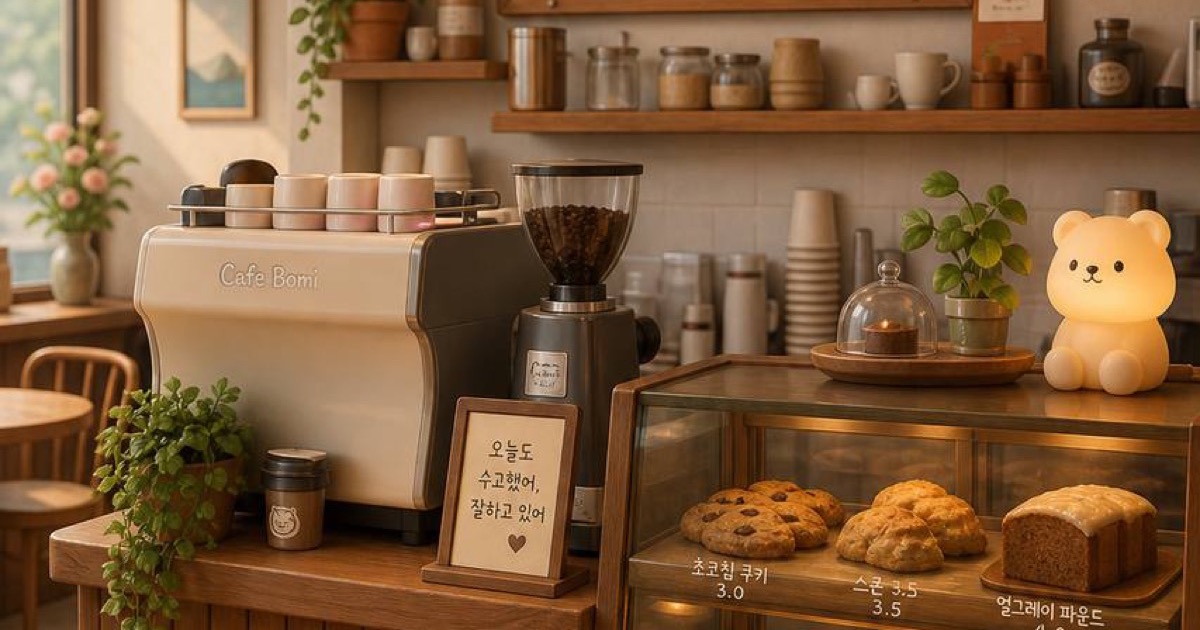
- 밥 먹었어? (bap meo-geo-sseo?) — کھانا کھا لیا؟ — "Did you eat?" It means "I was thinking about you."
- 밥 먹었어요? (bap meo-geo-sseo-yo?) — آپ نے کھانا کھا لیا؟ — the polite version.
- 조심해 (jo-sim-hae) — اپنا خیال رکھنا — "Take care."
- 잘 자 (jal ja) — شب بخیر — "Good night, sleep well."
- 보고 싶어 (bo-go si-peo) — تمہاری یاد آ رہی ہے — "I miss you."
A short exchange between friends:
A: 밥 먹었어? (bap meo-geo-sseo?) — کھانا کھا لیا؟ B: 아니, 아직. 너는? (a-ni, a-jik. neo-neun?) — نہیں، ابھی نہیں۔ تم نے؟ A: 나도. 차 한잔하고 같이 먹자! (na-do. cha han-jan-ha-go ga-chi meok-ja!) — میں نے بھی نہیں۔ چائے پی کر ساتھ کھاتے ہیں!
Three more sound-alikes that mean something else
바지 (ba-ji) is pants, not باجی. Call an older woman 바지 and you have just called her "trousers." Use 언니 or 누나.
나 (na) means میں — "I," not نہ. 나 가 (na ga) is "I'm going," not "don't go." "Don't go" is 가지 마 (ga-ji ma).
오빠 to strangers. Urdu speakers say بھائی to any shopkeeper. In Korean, a girl saying 오빠 to a stranger sounds flirty. Use 사장님 (sa-jang-nim) for a shop owner and 저기요 (jeo-gi-yo) for "excuse me."
Say them out loud before the next episode
Reading that 네 means yes takes a second. Saying 네 without your brain flinching toward نہیں takes a few days of practice out loud.
Pick three lines — 네, 아이고, 밥 먹었어? — and say each five times. Then play both A and B in the dialogue above. Next time a drama hero says 이리 와, you will hear ادھر آؤ and answer before the subtitle does.
SULSUL is a speaking gym for that moment: pick a pattern, say it out loud, get an instant fix from the AI pronunciation coach, then run the real situation as a mission. The 100-pattern PDF workbook comes along as a bonus.