Korean Weather Phrases for Small Talk in Korea

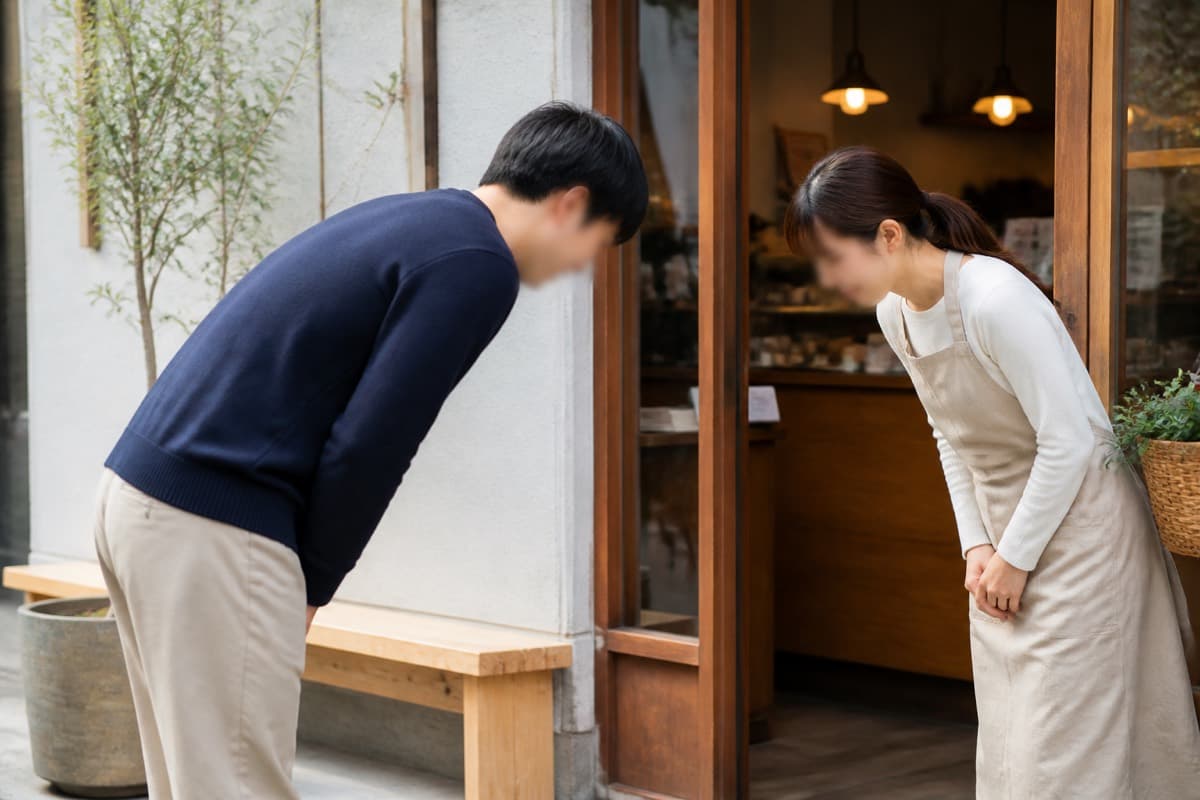
Korean weather phrases for small talk open almost every casual chat. Ask 오늘 날씨가 어때요? (oneul nalssiga eottaeyo?), "How is the weather today?", and you give your coworker or host family an easy topic to pick up. Answer 날씨가 좋아요 (nalssiga joayo), "The weather is nice," and the conversation starts itself — no hobby, no politics, no pressure.
- Ask about today: 오늘 날씨가 어때요? (oneul nalssiga eottaeyo?), "How is the weather today?"
- Say it is nice: 날씨가 좋아요 (nalssiga joayo), "The weather is nice."
- Say it is raining: 비가 와요 (biga wayo), "It is raining."
- Guess from what you see: 비가 올 것 같아요 (biga ol geot gatayo), "It looks like it will rain."

How do you ask about the weather in Korean?
Korea has four sharp seasons, so the weather changes fast and people comment on it constantly. The question pattern is simple: 오늘 (oneul, today) + 날씨 (nalssi, weather) + 어때요? (eottaeyo?, how is it?).
You: 오늘 날씨가 어때요? — oneul nalssiga eottaeyo? — "How is the weather today?"
Them: 맑고 따뜻해요. — malkgo ttatteuthaeyo. — "It is clear and warm."
You: 그래요? 산책하기 좋겠네요. — geuraeyo? sanchaekhagi jogetneyo. — "Really? Good weather for a walk."
If you want a shorter version with a friend, 날씨 어때? (nalssi eottae?) works — drop -요 when the relationship is casual. With a boss, a host parent, or a stranger, keep 어때요?.
Practice this out loud with SULSUL — the app says it, you repeat it →
What do you say when it rains, snows, or feels humid?
Name what is happening, then add -요 for polite speech. These cover most days you will actually talk about:
| What you see | Say this |
|---|---|
| Clear sky | 날씨가 맑아요 (nalssiga malgayo) |
| Rain | 비가 와요 (biga wayo) |
| Snow | 눈이 와요 (nuni wayo) |
| Cloudy | 흐려요 (heuryeo) |
| Hot and sticky | 덥고 습해요 (deopgo seuphaeyo) |
| Cold | 추워요 (chuwoyo) |
Summer often means 장마 (jangma, monsoon season). Spring and autumn bring 미세먼지 (mise meonji, fine dust) — check your weather app before you head out.
How do Koreans use weather to keep a chat going?
After the first answer, react — do not jump to a new topic. 그래요? (geuraeyo?, "Really?") or 진짜요? (jinjayo?, "For real?") buys you time while you think of the next line.
You: 오늘 날씨가 참 좋아요. — oneul nalssiga cham joayo. — "The weather is really nice today."
Them: 그쵸? 어제보다 훨씬 따뜻해요. — geuchyo? eojeboda hwolssin ttatteuthaeyo. — "Right? Much warmer than yesterday."
You: 그러니까요. 밖에 나가고 싶어요. — geureonikayo. bakke nagago sipeoyo. — "Exactly. I want to go outside."
-나 봐요 (-na bwayo) means "I guess" or "it seems." 비가 오나 봐요 (biga ona bwayo) is "Looks like rain." You do not need perfect grammar — noticing the sky and saying one honest sentence is enough for small talk.

Why weather beats "nice to meet you" as a first Korean sentence
Textbooks teach introductions first. Real life in Korea often starts with 오늘 날씨가 어때요? at the office kitchen, in a taxi, or while waiting for a friend. The phrase is short, polite, and always relevant.
If you already know how to greet someone but freeze after 안녕하세요 (annyeonghaseyo), the post on Korean politeness levels when you greet someone shows where -요 fits.
Say it out loud, not just in your head
Reading 비가 와요 on this page is not the same as saying it when your Korean friend points at the window and waits for your reaction.
SULSUL is a speaking gym for exactly that moment: pick a survival pattern, say it out loud, get an instant fix from the AI pronunciation coach, then run the real situation as a mission. The 100-pattern PDF workbook comes along as a bonus.