Achim in Korean: What 아침 Means (Morning and Breakfast), and How to Find Breakfast in Korea
Achim (아침) is the Korean word for morning, and it is also the everyday word for breakfast. Korean doesn't need a separate word because the morning meal is simply "the morning": 아침 먹었어요? (a-chim meo-geo-sseo-yo?) means "Did you eat breakfast?", while 아침에 만나요 (a-chi-me man-na-yo) means "Let's meet in the morning." The verb next to it tells you which one is meant. When you travel, you'll meet one more breakfast word, 조식 (jo-sik), which is what hotels and guesthouses print on signs and booking pages.
- 아침 (a-chim) — morning / breakfast
- 아침 먹었어요? (a-chim meo-geo-sseo-yo?) — "Did you have breakfast?"
- 조식 포함이에요? (jo-sik po-ham-i-e-yo?) — "Is breakfast included?"
- 조식 몇 시부터예요? (jo-sik myeot si-bu-teo-ye-yo?) — "From what time is breakfast?"
- 이 근처에 아침 먹을 데 있어요? (i geun-cheo-e a-chim meo-geul de i-sseo-yo?) — "Is there a place for breakfast around here?"
How one word means both morning and breakfast
Korean meal words follow the clock. 아침 is morning and the morning meal, 점심 (jeom-sim) is midday and lunch, and 저녁 (jeo-nyeok) is evening and dinner. So the same trick works three times:
| Word | As a time | As a meal |
|---|---|---|
| 아침 | 아침에 일어나요 — "I get up in the morning" | 아침 먹어요 — "I eat breakfast" |
| 점심 | 점심에 만나요 — "Let's meet at lunchtime" | 점심 먹었어요? — "Did you have lunch?" |
| 저녁 | 저녁에 전화할게요 — "I'll call in the evening" | 저녁 같이 먹어요 — "Let's have dinner together" |
The rule of thumb: if 아침 is followed by 에 (e, "at/in"), it's the time. If it's followed by a verb about eating, 먹다 or 하다, it's the meal. You'll also hear 아침밥 (a-chim-ppap), literally "morning rice," which leaves no doubt that you mean food. Notice the ㅂ in 밥 turns tense here, so it sounds like ppap, not bap.
A third word, 아침 식사 (a-chim sik-sa), is the polite, slightly formal "breakfast meal." Staff use it with guests: 아침 식사하셨어요? (a-chim sik-sa-ha-syeo-sseo-yo?), "Have you had breakfast?"
Practice this out loud with SULSUL — the app says it, you repeat it →
Pronouncing achim so it doesn't sound like a sneeze
Romanized as achim, it's tempting to say "a-CHEEM" with a hard English ch and stress on the end. Korean keeps both syllables flat and even: a-chim. The ㅊ is a breathy ch, and the final ㅁ closes your lips.
Things change when a vowel follows. ㅁ slides forward into the next syllable:
- 아침에 → a-chi-me ("in the morning")
- 아침을 → a-chi-meul (breakfast, as an object)
- 아침이에요 → a-chi-mi-e-yo ("It's morning")
If you've heard 좋은 아침 in a K-drama and wondered why it sounded like jo-eun a-chim, that's the same word. The everyday greeting side is covered in how to say good morning in Korean. This post is about the food.
Breakfast at your hotel: the word 조식
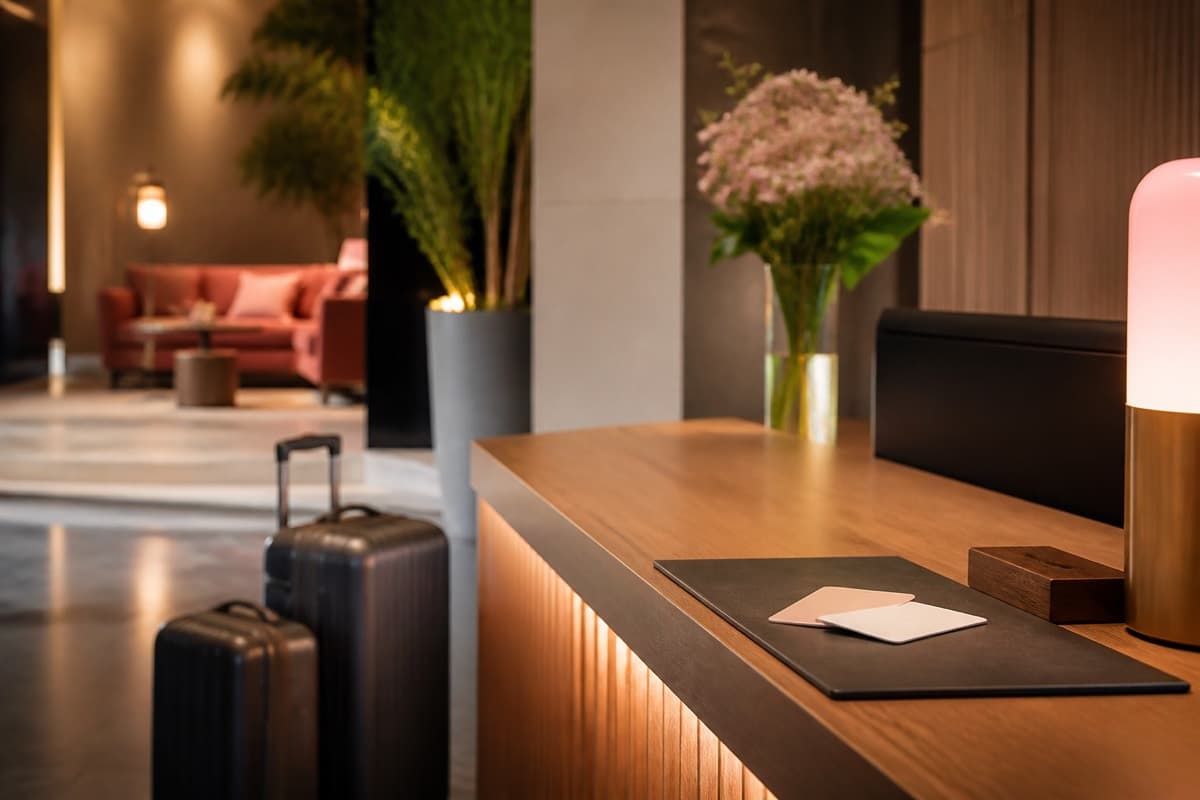
On a booking site or a lobby sign, breakfast is almost never 아침. It's 조식, a Sino-Korean word (조 = morning, 식 = meal). You'll see it in these combinations:
| On the sign | Say it | Meaning |
|---|---|---|
| 조식 포함 | jo-sik po-ham | Breakfast included |
| 조식 불포함 | jo-sik bul-po-ham | Breakfast not included |
| 조식 뷔페 | jo-sik bwi-pe | Breakfast buffet |
| 조식 시간 | jo-sik si-gan | Breakfast hours |
| 조식권 | jo-sik-kkwon | Breakfast voucher |
Asking about it uses Pattern 05 from the SULSUL workbook, noun + 이에요/예요, turned into a question: 조식 포함이에요? (jo-sik po-ham-i-e-yo?), "Is breakfast included?" For the hours, combine Pattern 15 (question words) with Pattern 27, 부터 / 까지 ("from / until"):
- 조식 몇 시부터예요? (jo-sik myeot si-bu-teo-ye-yo?) — "From what time is breakfast?"
- 조식 몇 시까지예요? (jo-sik myeot si-kka-ji-ye-yo?) — "Until what time is breakfast?"
- 조식 어디서 먹어요? (jo-sik eo-di-seo meo-geo-yo?) — "Where do we eat breakfast?"
The answer will often come back as a range: 일곱 시부터 열 시까지예요 (il-gop si-bu-teo yeol si-kka-ji-ye-yo), "From seven to ten." Listen for 부터 and 까지 and you've caught the important part even if the numbers fly by. More front-desk lines are in how to check into a hotel in Korean.
Finding breakfast outside the hotel
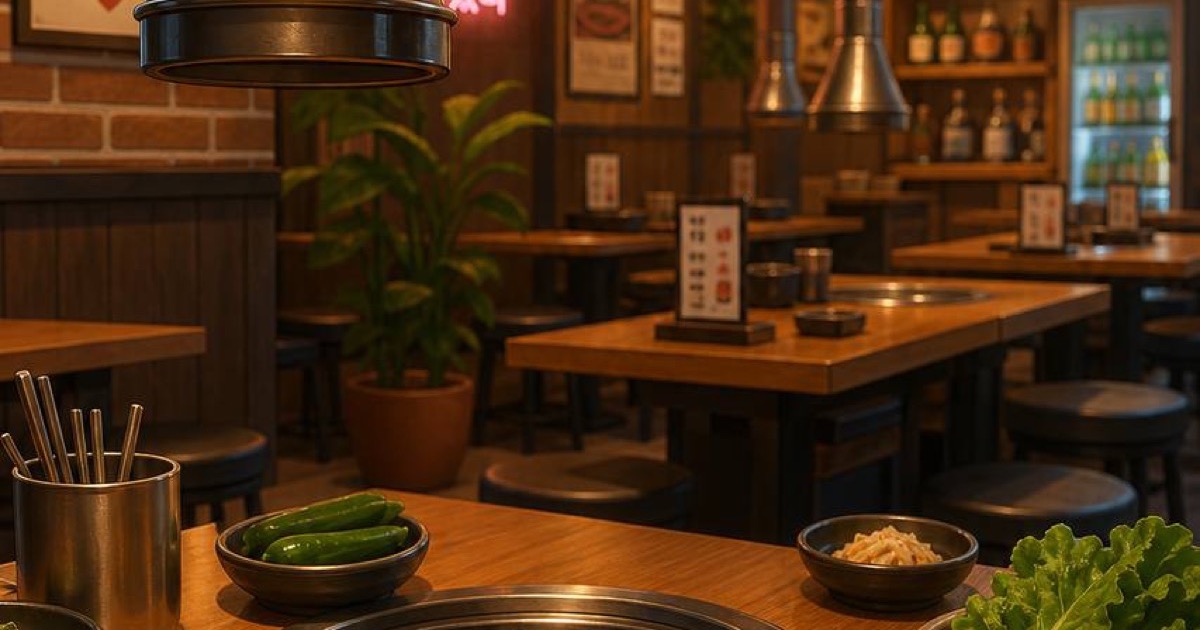
Here's what surprises many visitors: plenty of Korean restaurants don't open until late morning, and the classic sit-down breakfast café is less common than in the US or Europe. Koreans who eat breakfast out usually go to one of four places:
- 편의점 (pyeo-nui-jeom) — the convenience store: triangle 삼각김밥 (sam-gak-gim-bap), sandwiches, banana milk.
- 김밥집 (gim-bap-jjip) — gimbap shops, many open early for commuters. See ordering gimbap to go.
- 국밥집 / 해장국집 (guk-bap-jjip / hae-jang-guk-jjip) — rice-and-soup places, some open all night.
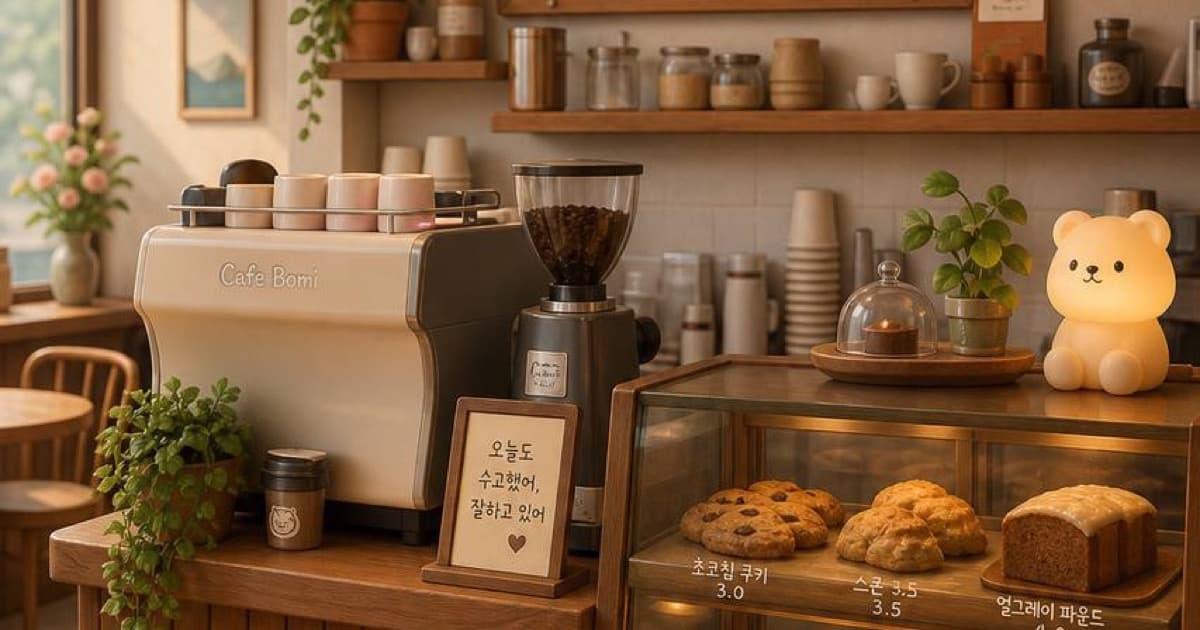
- 빵집 (ppang-jjip) — bakeries, which pair well with coffee. More in Korean at a bakery.
To ask a local where to go, use Pattern 03, noun + 있어요?, "Is there ___?":
- 이 근처에 아침 먹을 데 있어요? — "Is there a place to eat breakfast around here?"
- 지금 문 연 식당 있어요? (ji-geum mun yeon sik-dang i-sseo-yo?) — "Is there a restaurant open right now?"
At the door of a restaurant early in the morning, check before you sit down:
- 지금 식사 돼요? (ji-geum sik-sa dwae-yo?) — "Can I eat now?"
돼요? is the all-purpose "is it possible?" If they're still prepping, you'll hear 아직 준비 중이에요 (a-jik jun-bi jung-i-e-yo), "We're still getting ready."
A morning exchange at the front desk
You: 안녕하세요. 조식 포함이에요? an-nyeong-ha-se-yo. jo-sik po-ham-i-e-yo? "Hello. Is breakfast included?"
Staff: 네, 포함이에요. 이 층 식당에서 드시면 돼요. ne, po-ham-i-e-yo. i cheung sik-dang-e-seo deu-si-myeon dwae-yo. "Yes, it is. You can eat at the restaurant on the second floor."
You: 몇 시까지예요? myeot si-kka-ji-ye-yo? "Until what time?"
Staff: 열 시까지예요. yeol si-kka-ji-ye-yo. "Until ten."
You: 감사합니다! gam-sa-ham-ni-da! "Thank you!"
Notice 이 층 (i cheung): here 이 is the number two, not "this." Floors use Sino-Korean numbers, so 일 층 is the first floor and 이 층 the second.
아침 먹었어요? is often not a real question
When a Korean coworker, host, or friend asks 아침 먹었어요? before ten in the morning, it's usually a greeting, the morning version of "How are you?" A short answer is perfect. This is Pattern 08, the past tense 았/었어요:
- 네, 먹었어요. (ne, meo-geo-sseo-yo.) — "Yes, I ate."
- 아직 안 먹었어요. (a-jik an meo-geo-sseo-yo.) — "Not yet." (Pattern 07 adds 안 for "not.")
- 아침은 잘 안 먹어요. (a-chi-meun jal an meo-geo-yo.) — "I don't really eat breakfast."
Be ready: "not yet" with an older Korean host can lead to food appearing in front of you. Then just say 잘 먹겠습니다 (jal meok-ge-sseum-ni-da) before you start.
Mistakes to avoid
Saying 아침 when the sign says 조식. Staff will understand either, but if you're scanning a booking page for "breakfast included," search for 조식, not 아침.
Reading 아침에 as "at breakfast." 아침에 만나요 is "see you in the morning," not "see you at breakfast." For a meal plan, say 아침 같이 먹어요 (a-chim ga-chi meo-geo-yo), "Let's have breakfast together."
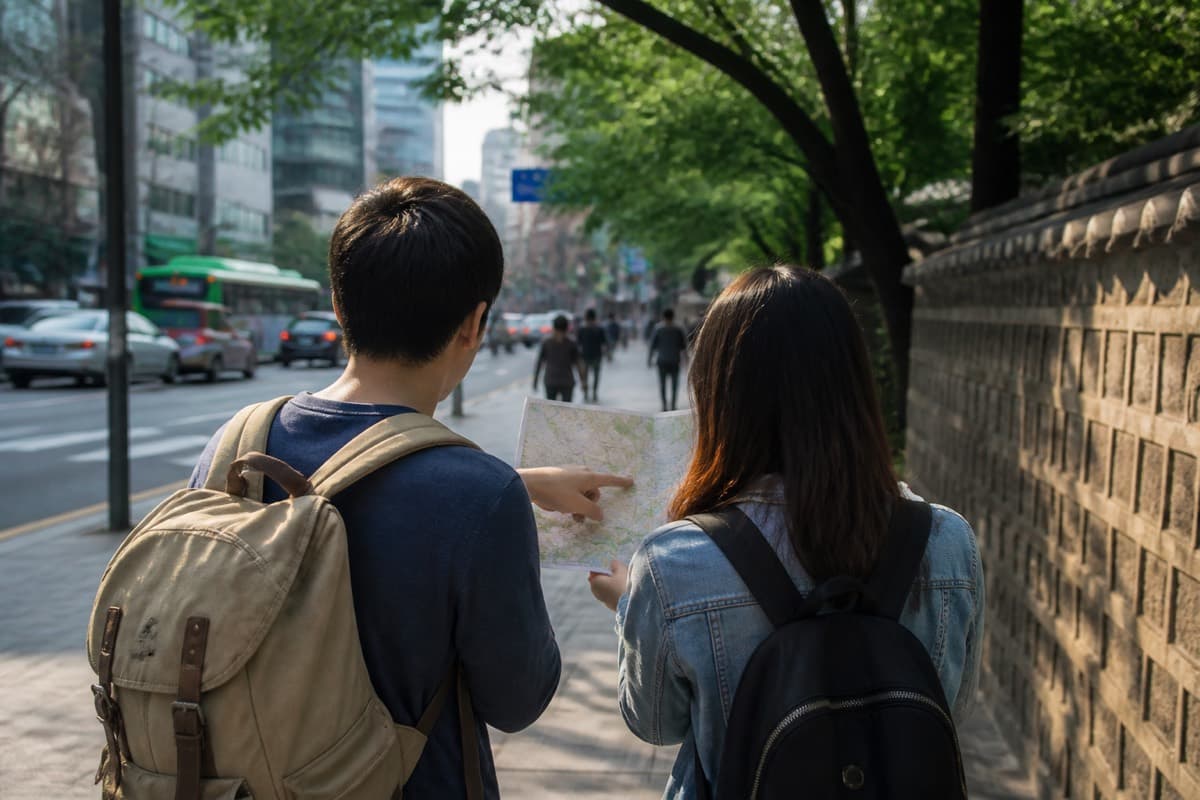
Heading out at 7 a.m. for a sit-down meal. Many places are still closed. Ask the front desk first, or go straight to a convenience store or gimbap shop.
Stressing the second syllable. a-CHEEM sounds off. Keep it level: a-chim.
Practice tonight, use it tomorrow morning
Say these three lines out loud a few times before you go to sleep: 조식 포함이에요?, 조식 몇 시까지예요?, and 이 근처에 아침 먹을 데 있어요? Pay attention to the linking in 먹을 데 (meo-geul de) and the tense 까 in 까지. Those two sounds are what make the sentences sound natural rather than read off a screen.
SULSUL is a speaking gym built for exactly this kind of morning: pick a pattern, say it out loud, get an instant fix from the AI pronunciation coach, then run the real situation as a mission. The 100-pattern PDF workbook comes along as a bonus.
Now say it out loud
SULSUL says the phrase, you repeat it, and it tells you what came out wrong — 100 survival patterns for cafes, taxis and small talk in Seoul.
Start speaking Korean →