Algessoyo: What 알겠어요 Means in Korean, and When to Say 알겠습니다 or 모르겠어요

Algessoyo is how many people spell 알겠어요 (al-ge-sseo-yo), and it means "Got it," "Okay, I understand," or "Will do." You say it right after someone explains something or asks you to do something: the taxi driver says the drop-off is on the next corner, the cafe worker says your drink will be ready in five minutes, and you answer 네, 알겠어요. It's polite, it's warm, and it's one of the most useful two-second replies you can learn before a trip to Korea.
- 알겠어요 (al-ge-sseo-yo) — "Got it. / I understand." (polite)
- 알겠습니다 (al-get-sseum-ni-da) — "Understood." (formal)
- 알았어 (a-ra-sseo) — "Okay, got it." (casual, friends only)
- 잘 알겠어요 (jal al-ge-sseo-yo) — "I understand perfectly."
- 잘 모르겠어요 (jal mo-reu-ge-sseo-yo) — "I'm not really sure. / I don't quite get it."
- 아직 잘 모르겠어요 (a-jik jal mo-reu-ge-sseo-yo) — "I still don't quite understand."
Spelling it: algessoyo, algesseoyo, or arasseoyo?
You'll see this word romanized a dozen ways because English letters don't fit Korean sounds neatly. Algessoyo, algesseoyo, and algetseoyo all point to the same 알겠어요. The official romanization is algesseoyo.
Say it in four beats: al (like "pal" without the p), ge, sseo (a tight, tense ss with the vowel in "son"), yo. The ㅆ is the part learners usually soften. Squeeze it a little, and it'll sound like what you hear on the street.
Arasseoyo (알았어요) is a close cousin. It's the past tense, "I got it," and it means nearly the same thing. We'll get to the difference below.
Practice this out loud with SULSUL — the app says it, you repeat it →
알겠어요 vs 알아요: why Koreans add 겠
Both come from 알다 (al-da), "to know." So why not just say 알아요 (a-ra-yo), "I know"?
Because 알아요 states a fact you already had. If a coworker explains the new printer and you answer 알아요, it sounds like "Yes, I already know that," which can come across as brushing them off. 알겠어요 says "I've taken in what you just told me." It acknowledges the other person's effort.
This is Pattern 21 in the SULSUL workbook, 잘 알겠어요 / 잘 모르겠어요, built by attaching -겠어요 to 알다 and 모르다. The 겠 here doesn't mean future. It softens the statement and frames it as your reaction in the moment, which is exactly why it sounds kinder than the bare form.
The same logic runs the other way. 몰라요 (mol-la-yo), "I don't know," is blunt. 모르겠어요 (mo-reu-ge-sseo-yo) sounds more like "Hmm, I'm not sure." Add 잘 (jal, "well") and 잘 모르겠어요 becomes the gentlest way to say you don't know or didn't understand.
Where you'll say it on a trip
The situations come fast, and they almost always follow an instruction from a stranger.
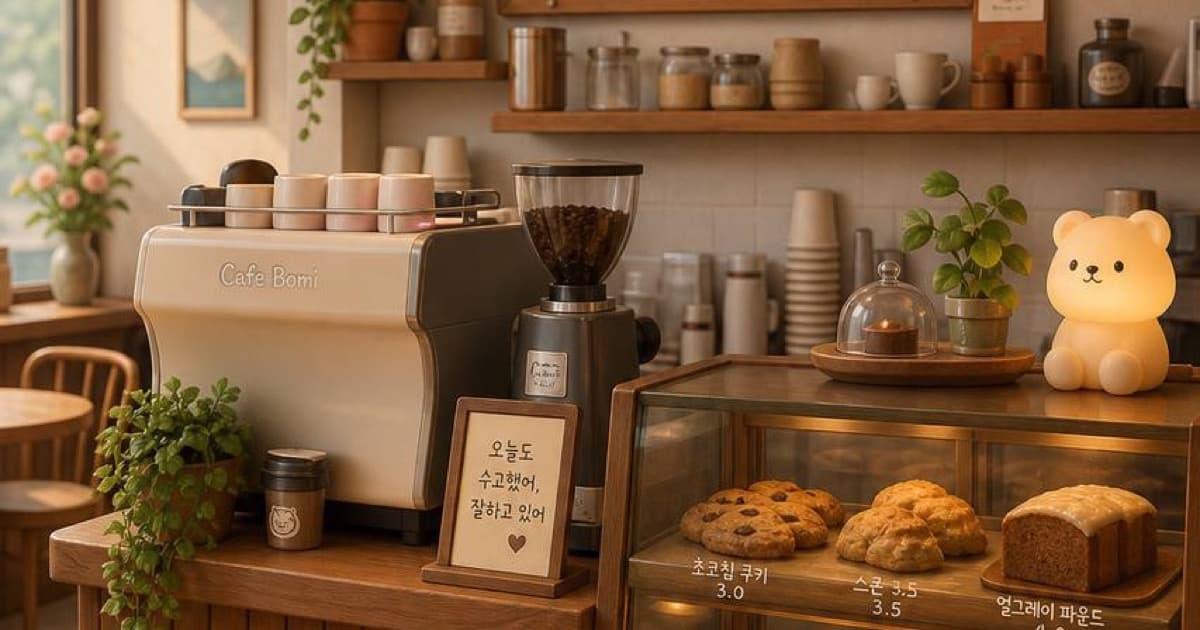
At a cafe, after you order:
Barista: 진동벨 울리면 오세요. — jin-dong-bel ul-li-myeon o-se-yo. — "Come up when the buzzer goes off."
You: 네, 알겠어요. — ne, al-ge-sseo-yo. — "Okay, got it."
At a hotel front desk:
Staff: 조식은 2층에서 드시면 돼요. — jo-si-geun i-cheung-e-seo deu-si-myeon dwae-yo. — "You can have breakfast on the 2nd floor."
You: 아, 알겠습니다. 감사합니다. — a, al-get-sseum-ni-da. gam-sa-ham-ni-da. — "Ah, understood. Thank you."
In a taxi:
Driver: 여기서 내리시면 돼요? — yeo-gi-seo nae-ri-si-myeon dwae-yo? — "Is here okay to get out?"
You: 네, 알겠어요. 여기서 내릴게요. — ne, al-ge-sseo-yo. yeo-gi-seo nae-ril-ge-yo. — "Yes, okay. I'll get out here."
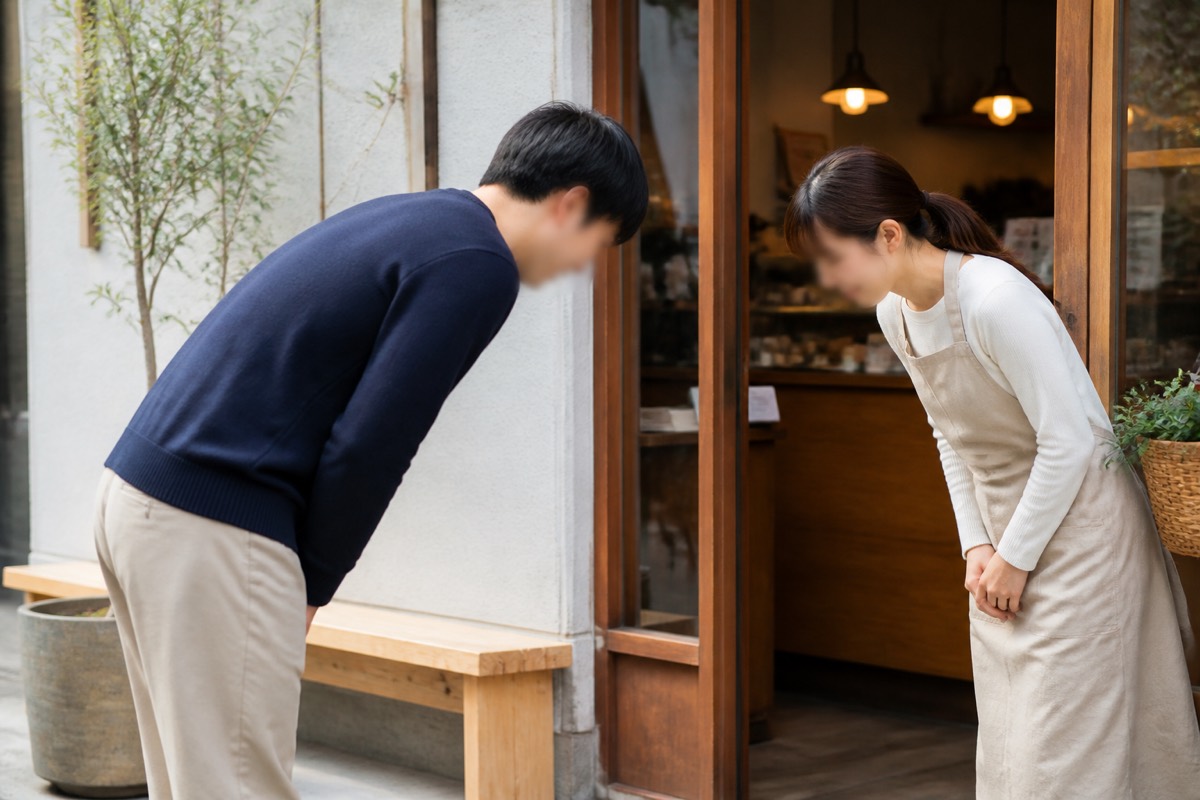
Notice the 네 in front. Koreans rarely say 알겠어요 alone. 네, 알겠어요 is the natural package, and a little 아 before it (아, 알겠어요) adds an "oh, I see" feeling.
알겠어요, 알겠습니다, 알았어: picking the right level
| Say this | Romanization | Use it with |
|---|---|---|
| 알겠습니다 | al-get-sseum-ni-da | hotel staff, officials, a boss, anyone much older |
| 알겠어요 | al-ge-sseo-yo | shop workers, drivers, people you just met |
| 알았어요 | a-ra-sseo-yo | same as 알겠어요, slightly more "noted, done" |
| 알겠어 / 알았어 | al-ge-sseo / a-ra-sseo | close friends, younger siblings |
| 응, 알았어 | eung, a-ra-sseo | very close friends, partners |
If you watch K-dramas, you've heard 알았어 (arasseo) a hundred times, often snapped at a nagging parent or murmured to a love interest. It's lovely between friends but too casual for a stranger. As a visitor, 알겠어요 is your safe default, and 알겠습니다 is your "I'm being extra respectful" setting. If you want the bigger picture of these levels, see how to be polite in Korean.
When you didn't understand: 잘 모르겠어요
The most honest reply is sometimes the opposite. Someone explains bus transfers in rapid Korean, you nod along, and then you realize you got none of it. Don't fake 알겠어요. Say:
죄송해요, 잘 모르겠어요. — joe-song-hae-yo, jal mo-reu-ge-sseo-yo. — "Sorry, I don't quite understand."
아직 잘 모르겠어요. — a-jik jal mo-reu-ge-sseo-yo. — "I still don't quite get it."
Then follow up with the workbook's next pattern, Pattern 22:
천천히 말해 주세요. — cheon-cheon-hi mal-hae ju-se-yo. — "Please speak slowly."
다시 말해 주세요. — da-si mal-hae ju-se-yo. — "Please say it again."
And when it finally clicks: 아, 이제 잘 알겠어요! — a, i-je jal al-ge-sseo-yo! — "Ah, now I get it!" People light up when they hear that. There are more rescue lines in Korean phrases when someone speaks too fast.
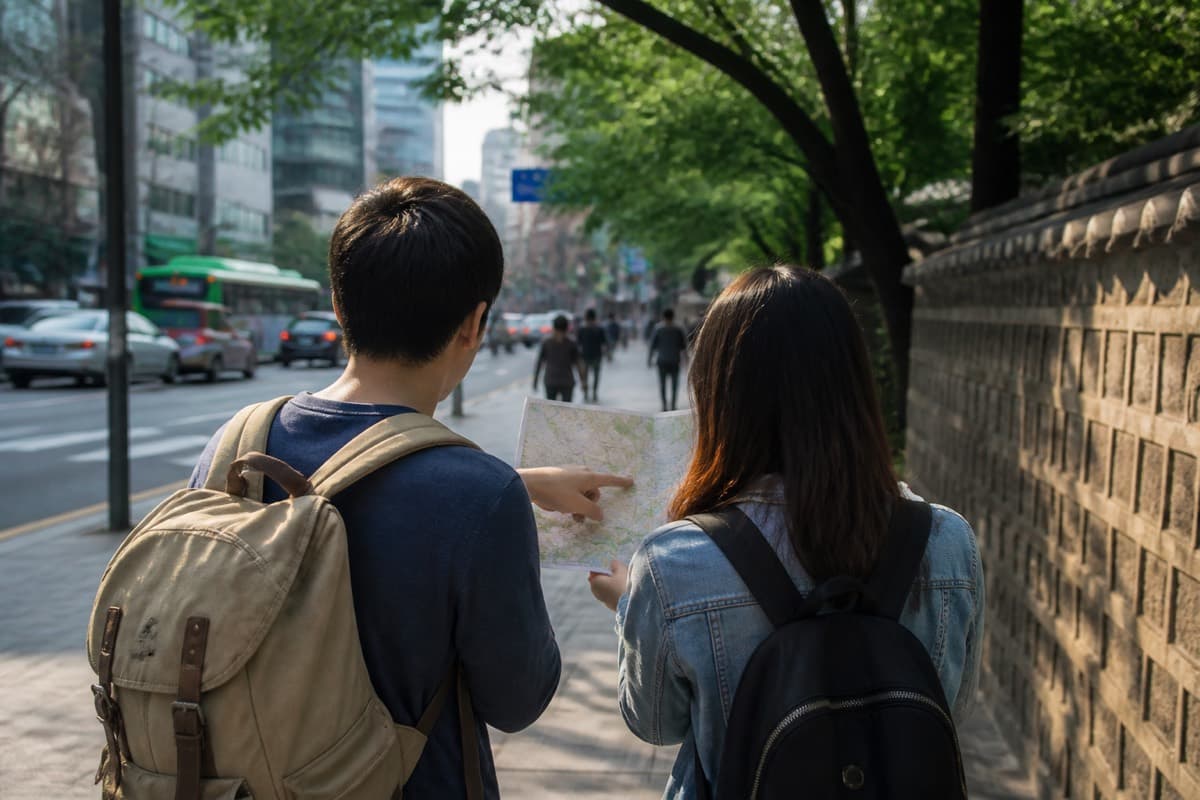
모르겠어요 also works when someone asks you something. A local asks the way to a station, and you're a tourist too: 죄송해요, 저도 잘 모르겠어요 (jeo-do jal mo-reu-ge-sseo-yo), "Sorry, I'm not sure either." It's far softer than a flat 몰라요.
Mistakes learners make with 알겠어요
Answering 알아요 to instructions. As above, 알아요 can sound like "I know already." After someone explains something, use 알겠어요.
Saying 알았어 to staff. It sounds like you're talking down to them. Save it for friends.
Saying 알겠어요 when you didn't understand. Koreans will take it at face value and move on. A quick 잘 모르겠어요 saves you from boarding the wrong bus.
Dropping the ㅆ. Al-ge-seo-yo with a soft s is understandable, but the tight sseo is what makes it sound natural.
Using it to mean "I agree." 알겠어요 means you understood or will do it, not that you share an opinion. For agreeing, Koreans say 맞아요 (ma-ja-yo), "That's right."
Practice the reply, not just the word
The tricky part isn't remembering 알겠어요. It's getting it out in the half second after someone finishes talking, while you're still processing what they said. Drill the pair until it's automatic: 네, 알겠어요 when you got it, 죄송해요, 잘 모르겠어요 when you didn't. Say each one out loud five times, and practice switching between them, because in real life you won't know which one you need until the other person stops speaking.

SULSUL is a speaking gym built for this: pick a pattern, say it out loud, get an instant fix from the AI pronunciation coach, then run the whole situation as a mission. The 100-pattern PDF workbook comes along as a bonus.
Now say it out loud
SULSUL says the phrase, you repeat it, and it tells you what came out wrong — 100 survival patterns for cafes, taxis and small talk in Seoul.
Start speaking Korean →