How to Ask a Korean Friend to Hang Out in Korean


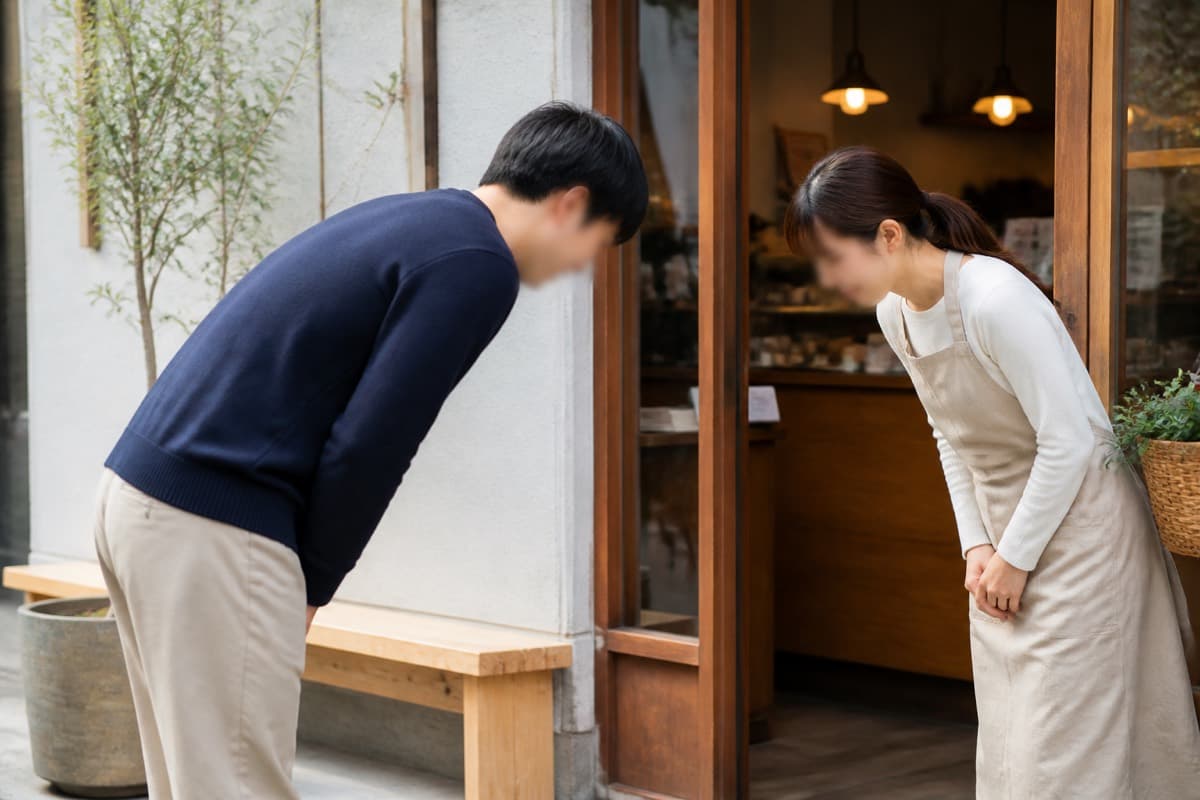
To ask a Korean friend to hang out in Korean, add 같이 (gachi, together) before the verb and finish with ㄹ래요? (llaeyo?) or ㄹ까요? (lkkayo?). 주말에 같이 영화 볼래요? (jumare gachi yeonghwa bollaeyo?) means "Do you want to watch a movie together this weekend?" Pattern 25 in the SULSUL workbook covers this warm invitation without sounding pushy.
- Suggest watching together: 같이 볼래요? (gachi bollaeyo?), "Do you want to watch it together?"
- Suggest eating together: 같이 먹을까요? (gachi meogeulkkayo?), "Shall we eat together?"
- Offer coffee after class: 커피 한잔할래요? (keopi hanjanhallaeyo?), "Do you want to grab a cup of coffee?"
- Set the day first: 토요일에 같이 갈래요? (toyoire gachi gallaeyo?), "Do you want to go together on Saturday?"
How do you build a hang-out invitation in Korean?
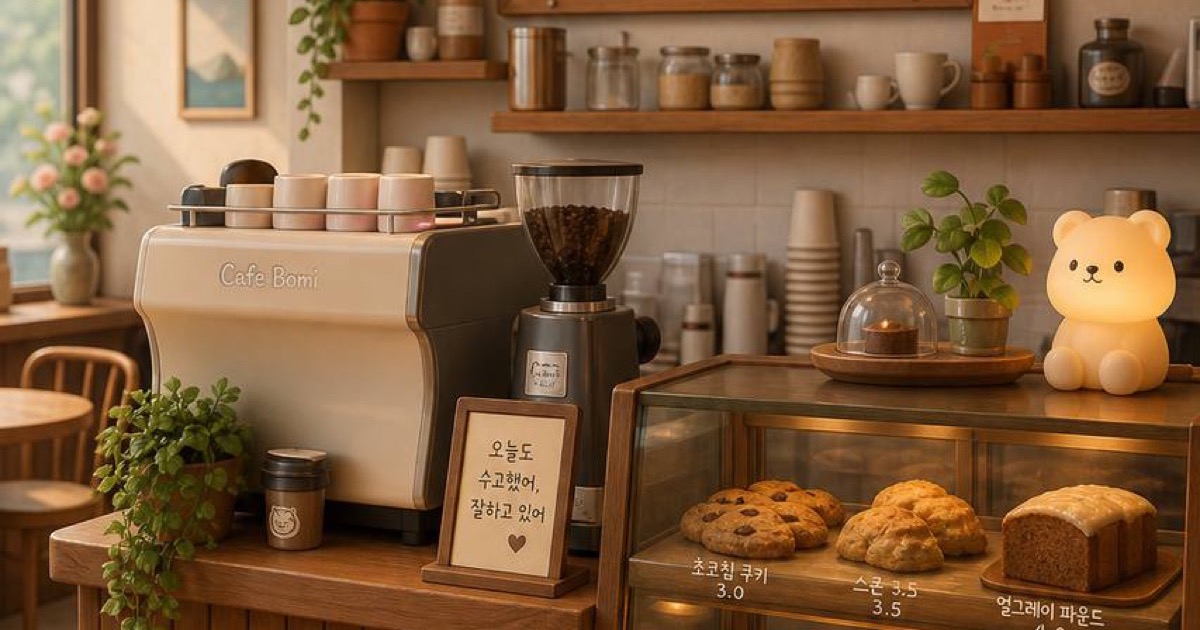
The reusable frame is time or place + 같이 + verb stem + ㄹ래요? or ㄹ까요?. ㄹ래요? (llaeyo?) asks what the other person wants — good between peers. ㄹ까요? (lkkayo?) asks for a joint decision and feels slightly softer at work or with someone you just met.
If the verb stem ends in a consonant, use 을래요? or 을까요? instead: 같이 먹을래요? (gachi meogeullaeyo?), "Do you want to eat together?"
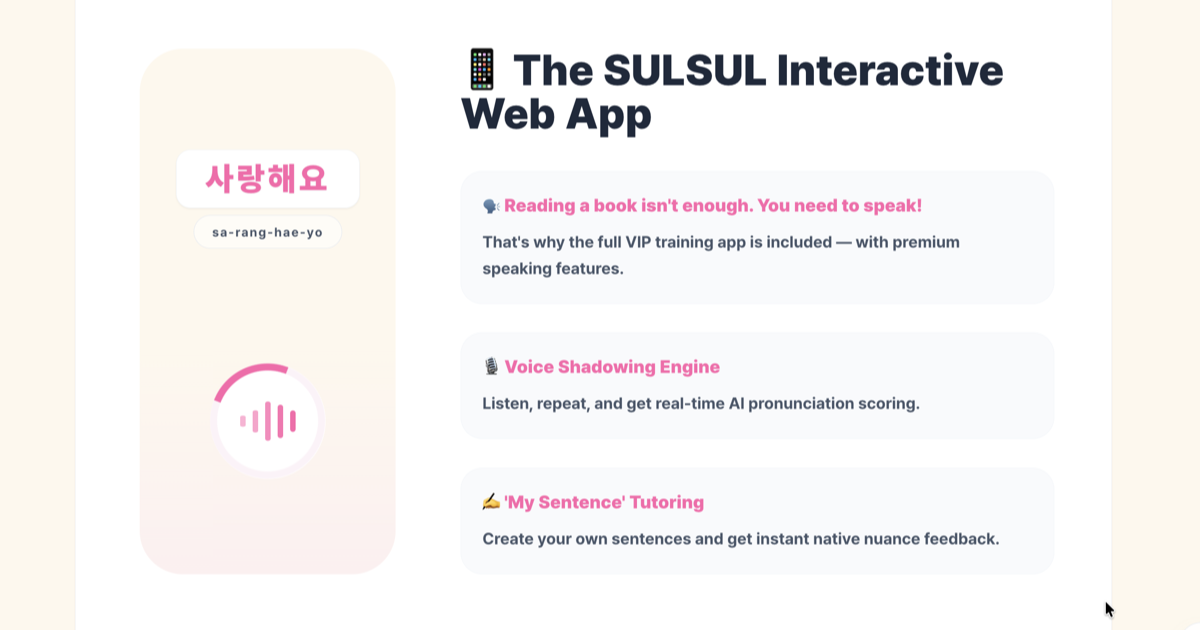
Practice this out loud with SULSUL — the app says it, you repeat it →
What does a real invitation exchange sound like?
You: 수업 끝나고 같이 커피 한잔할래요? — su-eop kkeutnago gachi keopi hanjanhallaeyo? — "Do you want to grab coffee together after class?"
Them: 좋아요! 몇 시에요? — joayo! myeot sieyo? — "Sounds good! What time?"
You: 세 시쯤 어때요? — se sijjeum eottaeyo? — "How about around three?"
If they are busy, you will hear 미안해요, 그때 시간 없어요 (mianhaeyo, geuttae sigan eopseoyo), "Sorry, I am not free then." Reply with 그럼 다음에요 (geureom daeumeyo), "Then next time," and the door stays open.
| Situation | Say this |
|---|---|
| Watch a movie | 주말에 같이 영화 볼래요? (jumare gachi yeonghwa bollaeyo?) |
| Eat lunch | 오늘 점심 같이 먹을까요? (oneul jeomsim gachi meogeulkkayo?) |
| Grab coffee | 커피 한잔할래요? (keopi hanjanhallaeyo?) |
| Go somewhere | 내일 같이 갈래요? (naeil gachi gallaeyo?) |
| Pick a place | 어디에서 만날까요? (eodiseo mannalkkayo?) |
What usually goes wrong?
The most common mistake is skipping 같이 and sounding like a solo plan. 영화 볼래요? (yeonghwa bollaeyo?) can read as "Do you want to watch a movie?" without implying you go together. Add 같이 every time until it is automatic.
A second slip is using ㄹ래요? with a boss or a professor when ㄹ까요? fits better. Both are polite 해요체 (haeyoche); ㄹ까요? just leaves more room for the other person to say no gracefully. For lines after you already exchanged numbers, see Korean phrases for KakaoTalk texting. If lunch is the plan, 같이 먹을까요? (gachi meogeulkkayo?) is the line to practice first.
Say it out loud, not just in your head
You will not have time to look up 같이 먹을까요? (gachi meogeulkkayo?) when a Korean classmate is already putting their notebook away and waiting for your answer.
SULSUL is a speaking gym for exactly that moment: pick a survival pattern, say it out loud, get an instant fix from the AI pronunciation coach, then run the real situation as a mission. The 100-pattern PDF workbook comes along as a bonus.