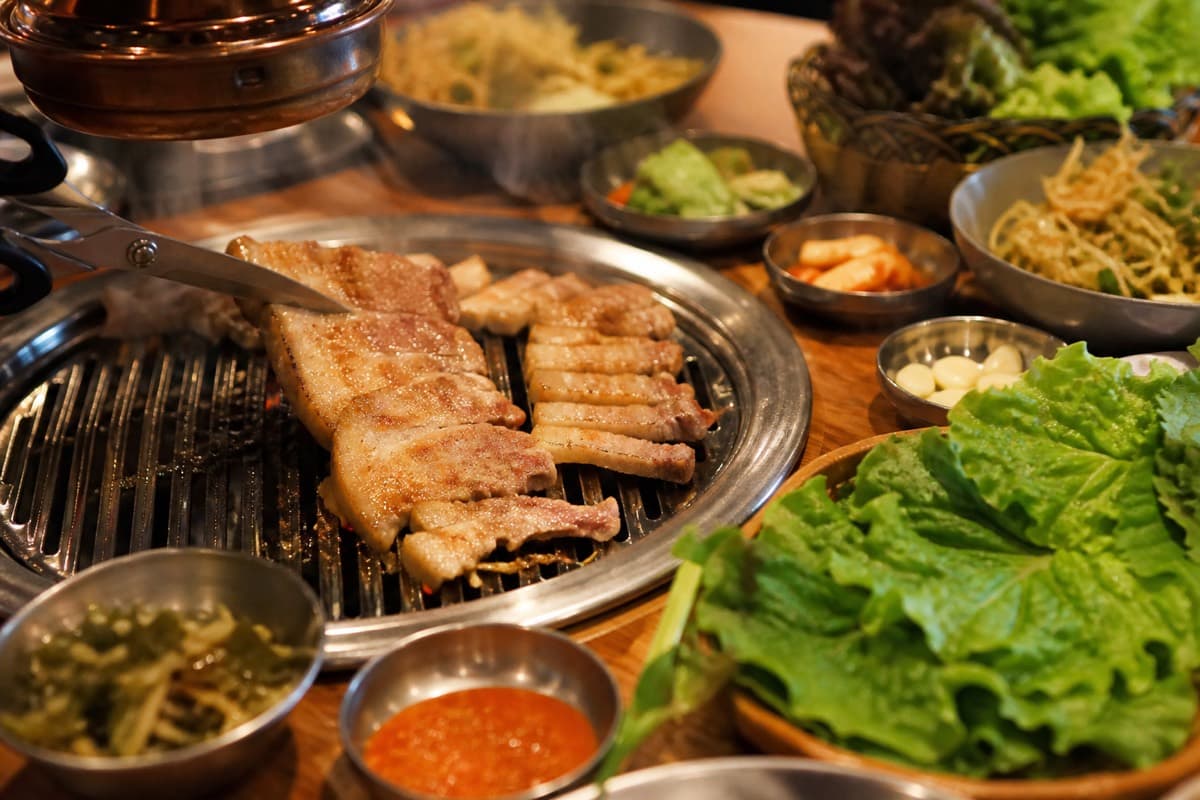
Korean Slang for Cute: 귀여워, 커엽다, and 심쿵


The plain word for cute is 귀엽다 (gwiyeopda), and the slang grows out of it in three directions. Out loud you say 귀여워 (gwiyeowo) — "so cute" — or 귀여워요 (gwiyeowoyo) if you are being polite. In a chat window fans type 커엽다 (keoyeopda), which is the same word with one letter swapped on purpose. And when something is cute enough to hurt, the word is 심쿵 (simkung), the sound of your heart thudding. Those three cover almost everything you hear in fan comments, and the only one that is risky is the one most learners reach for first: 귀엽다 aimed at a person older than you is not a compliment.
- Say it out loud: 귀여워 (gwiyeowo) casually, 귀여워요 (gwiyeowoyo) politely.
- Type it, don't say it: 커엽다 (keoyeopda), the deliberate misspelling.
- The reaction word: 심쿵 (simkung), "my heart just went thud."
- The noun: 귀요미 (gwiyomi), "a cutie."
- The performance: 애교 (aegyo), acting cute on purpose.
- Safer for someone older: 멋있어요 (meosisseoyo), "you're cool."
귀여워 or 귀엽다? Which form leaves your mouth
Dictionaries and subtitle files give you 귀엽다, and that is a real form — Koreans shout 귀엽다! at a puppy all the time, as a kind of exclamation thrown at the world rather than at a listener. But the moment you are talking to someone, the ending changes, and 귀엽다 is a ㅂ-irregular verb, so the change is bigger than you expect:
- 귀여워 (gwiyeowo) — to a close friend, or about a pet, a baby, an idol on your screen.
- 귀여워요 (gwiyeowoyo) — polite, safe with people you have just met.
- 귀엽네요 (gwiyeopneyo) — "oh, that's cute," said when you have just noticed.
That ㅂ dropping out and becoming 워 is why so many learners freeze mid-sentence and produce "귀엽어," which no one says. Drill the three forms above as three separate words and the irregularity stops mattering. If the 요 / no-요 choice is still fuzzy, the whole ladder is laid out in how to greet someone in different Korean politeness levels.
One more thing about 귀엽네 — said flatly, with a small pause, it turns sarcastic. "귀엽네" about an adult's clumsy attempt at something means roughly "how adorable that you tried." Koreans read the tone instantly, so keep yours bright.
Practice this out loud with SULSUL — the app says it, you repeat it →
커엽다 and 댕댕이: the typos fans kept on purpose
Open the comments under any idol clip and you will see 커엽다 where 귀엽다 should be. It is not a mistake. In most Korean fonts the syllable 귀 and the syllable 커 look nearly identical at small sizes, so people started typing the wrong one as a joke, and the joke stuck. The forms behave exactly like the original: 커엽다, 커여워 (keoyeowo), 커엽네.
This letter-swapping game has a name — 야민정음 (yaminjeongeum) — and the most famous one of all is cute-adjacent too: 멍멍이 (meongmeongi), "doggy," became 댕댕이 (daengdaengi), the Korean equivalent of "doggo." If someone sends you a photo captioned 우리 댕댕이 커엽다, they mean "my doggo is so cute," and they typed every letter deliberately.
Two rules keep you out of trouble with these. They are written, not spoken — saying 커엽다 out loud sounds like you are doing a bit. And they belong in casual chats only, never in a message to a teacher, a landlord or a boss. The rest of the chat-window shorthand, the consonant-only kind, is in Korean slang words and what they actually mean.

심쿵: the word for what cute does to you
심쿵 is two pieces glued together: 심장 (simjang), "heart," and 쿵 (kung), the thud sound. So it is not a word for the cute thing — it is a word for your own chest reacting to it. English needs a whole sentence; Korean needs two syllables.
- 심쿵했어 (simkunghaesseo) — "my heart just skipped."
- 심쿵 포인트 (simkung pointeu) — the exact second in a clip that got you.
- 심쿵사 (simkungsa) — jokingly, "death by heart flutter," with 사 meaning "death."
Use it for the idol who looked straight into the camera, for the second lead's confession, for a cat putting its paw on a hand. It is affectionate and completely harmless, and unlike 귀엽다 it says nothing about the other person's status — which makes it the safer of the two in mixed company.
귀요미, 짱귀, 개귀여워 — nouns and volume knobs
귀요미 (gwiyomi) turns the adjective into a person: a cutie. It works as a label (우리 귀요미 — uri gwiyomi — "our little cutie") and lands best on children, pets and very close friends.
Then come the intensifiers, in rising order of informality:
| Slang | Reads as | Where it belongs |
|---|---|---|
| 완전 귀여워 | "totally cute" | anywhere, any age |
| 짱귀 (jjanggwi) | "super cute," clipped | texting between friends |
| 개귀여워 (gaegwiyeowo) | "crazy cute" | close friends only |
| 존귀 (jongwi) | strongest, mildly crude root | friends your own age, never above |
존귀 is shortened from a vulgar intensifier, so it carries that origin even though young people use it lightly. Treat it the way you would treat a swear word you have heard in a song: understand it, enjoy it in fan posts, leave it out of your own speech until you can hear the room. The same logic applies to the 개- and 존- prefixes in general.
And when one word is not enough, Koreans stack a whole clause: 귀여워 죽겠어 (gwiyeowo jukgesseo), "I'm dying of the cuteness." Beside it sits the all-purpose overwhelmed noise 어떡해 (eotteokhae), literally "what do I do," which is what you say when a clip has defeated you.
애교: cute as something you perform
애교 (aegyo) is not a compliment, it is an activity — a voice, a face, a small gesture done to be endearing. The verb that goes with it is 부리다 (burida), "to put on":
- 애교 부려봐 (aegyo buryeobwa) — "do some aegyo," the request every idol gets on variety shows.
- 애교 많아 (aegyo mana) — "they're full of aegyo," said about someone's personality.
- 아잉 (aing) — the actual sound effect people make while doing it.
So 귀엽다 describes, 애교 performs. Mixing them up is why fans sometimes write "she did cute" in English fan translations. The surrounding fandom vocabulary — bias, visual, comeback — is sorted out in K-pop words and what they mean in Korean.
In a real group chat
A friend sends a photo of her new puppy, and the thread runs like this:
Her: 우리 댕댕이 봐봐 ㅋㅋ — uri daengdaengi bwabwa — "Look at my doggo lol" You: 헐 완전 귀여워 😭 — heol wanjeon gwiyeowo — "Whoa, so cute" You: 발 봐, 심쿵했어 — bal bwa, simkunghaesseo — "Look at the paws, my heart went thud" Her: 그치? 애교가 진짜 많아 — geuchi? aegyoga jinjja mana — "Right? She's so full of aegyo" You: 다음에 보여줘요 🥹 — daeume boyeojwoyo — "Show me next time"
Notice what you did there: slang in the middle, a normal polite ending at the end. That is how Korean actually gets texted — the slang rides on top of ordinary grammar, it does not replace it. If you want the mechanics of the messages themselves, read Korean phrases for KakaoTalk texting.
When 귀엽다 is the wrong word
Here is the part no vocabulary list warns you about. Calling someone cute in Korean quietly places them below you — younger, smaller, not to be taken seriously. Downward it is warm. Upward it stings.
- To an older colleague or anyone senior: skip 귀여워 entirely. There is no polite version that fixes it; 귀여우세요 sounds stranger than saying nothing.
- To an adult man you admire: 멋있어요 (meosisseoyo), "you're cool," or 잘생겼어요 (jalsaenggyeosseoyo), "you're handsome."
- About someone's work, cooking or effort: 대단해요 (daedanhaeyo), "that's impressive," which respects instead of patronising. More of those are in how to compliment a Korean friend's cooking.
- About an object, a small bag, a tiny café: 깜찍해요 (kkamjjikhaeyo) is the pretty-and-dainty version, and 사랑스러워요 (sarangseureowoyo) is "lovely" with more warmth than 귀여워.
Idols are the exception that confuses everyone. Fans call a thirty-year-old man 귀여워 constantly, because the fan-to-idol relationship is affectionate by design and he is not in the room. The same sentence said to a thirty-year-old man at your office is a different sentence.
Mistakes K-pop fans make with these words
Saying 커엽다 out loud. It is a typing joke. Spoken, it reads as trying too hard.
Producing 귀엽어. The ㅂ has to go. 귀여워.
Using 심쿵 as an adjective. It describes your reaction, not the thing. "그 장면 심쿵" works as a fragment, but "심쿵한 사람" to mean "a cute person" does not.
Aiming 존귀 at anyone older. The root is crude. Keep it inside your own age group, or just use 완전 귀여워.
Calling a senior cute. The single mistake with real consequences. Reach for 멋있어요 or 대단해요 instead.
Flattening the tone. 귀여워 said with no energy sounds sarcastic. Korean compliments carry pitch; the word only works if your voice goes up with it. Other reaction words that live or die on delivery, like 진짜요 and 대박, show up in common K-drama phrases to use in conversation.
Say it out loud before you need it
헐, 완전 귀여워! takes one second to read and still comes out as mush the first time a Korean friend holds up a phone and waits for your reaction.
SULSUL is a speaking gym built for that gap: pick a pattern, say it out loud, get an instant fix from the AI pronunciation coach, then run the whole situation as a mission. The 100-pattern PDF workbook comes along as a bonus.