What Does Sunbae Mean in Korean?


선배 (seonbae) means "the person who started before me." Same school, same company, same club, same army unit — if they entered first, they are your 선배, and you are their 후배 (hubae). That is the entire definition, and it is why the word sounds strange to English ears: there is no English title for "one year ahead of me at university," so subtitles quietly swap it for a name and the meaning evaporates. It is not an age word, and it is not a family word. A 선배 can be younger than you. A 선배 can be someone you have a crush on — which is exactly why so many dramas have a character saying 선배 to someone they are clearly in love with.
- The word itself: 선배 (seonbae), "someone who started before me."
- The polite form you actually say out loud: 선배님 (seonbaenim).
- The other half of the pair: 후배 (hubae), "someone who started after me."
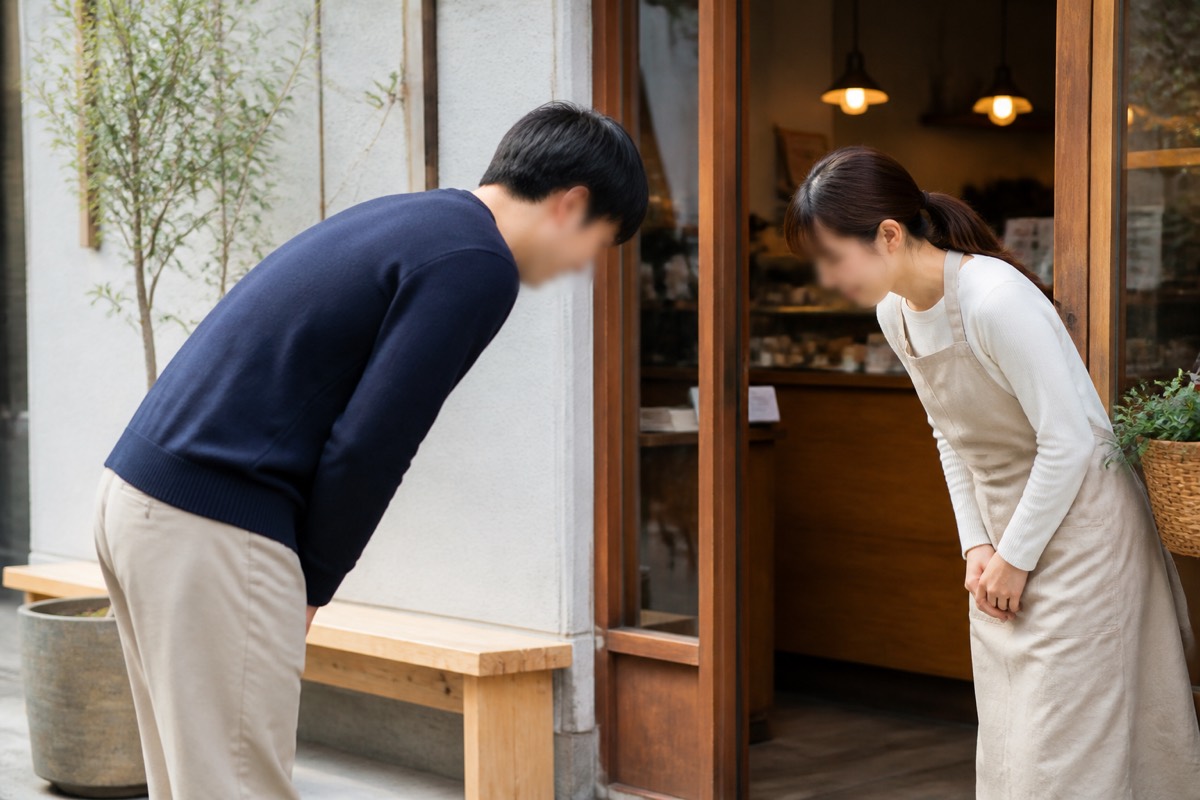
- The safe opener: 선배님, 안녕하세요 (seonbaenim, annyeonghaseyo), "Hello, sunbae."
- How the ranking gets checked: 몇 학번이세요? (myeot hakbeoniseyo?), "What's your entering year?"
Do you say 선배 or 선배님?
Both are real, and the gap between them is bigger than it looks. 님 (nim) is the honorific suffix Korean glues onto titles to raise them, and 선배님 is the version you use when you are not sure, when the person is much further ahead, or when anyone senior might be listening.
Plain 선배 is what you say once the relationship is comfortable — a 선배 you eat lunch with every day, a 선배 two semesters ahead who told you to stop with the 님. Drama couples land here constantly: the heroine keeps calling him 선배 long after they start dating, because dropping it would mean choosing something else to call him, and that choice is its own scene.
One thing English speakers get wrong immediately: 선배 works as a name substitute. You say it directly to the person, the way you would say someone's name.
You: 선배, 이거 어떻게 해요? — seonbae, igeo eotteoke haeyo? — "Sunbae, how do I do this?"
Them: 아, 그거 내가 해 줄게. 어렵지? — a, geugeo naega hae julge. eoryeopji? — "Ah, I'll do that one for you. Tricky, right?"
You: 감사합니다, 선배님. — gamsahamnida, seonbaenim. — "Thank you, sunbae."
Notice the 선배 answering in 반말 (banmal) while the 후배 stays in 존댓말 (jondaenmal). That asymmetry is standard and nobody finds it rude — the senior speaks casually downward, the junior speaks politely upward. If you want the whole ladder, how to greet someone at different Korean politeness levels lays out which ending goes where.
Practice this out loud with SULSUL — the app says it, you repeat it →
선배 and 후배: the pair the whole thing runs on
The two words only exist relative to each other. In the same afternoon you can be a 후배 to the person who joined six months before you and a 선배 to the one who joined last week, and your Korean will change twice.
| Korean | Romanization | Who it means |
|---|---|---|
| 선배 | seonbae | Anyone ahead of you in the same school, job or group |
| 선배님 | seonbaenim | The same person, addressed with respect |
| 후배 | hubae | Anyone who came in after you |
| 동기 | donggi | Someone who entered the same year as you |
| 대선배 | daeseonbae | Someone far, far ahead — a legend of the place |
동기 is the quiet hero of that table. Your 동기 is the one person at work or school you can speak plainly with from day one, no negotiating, because you arrived together. Koreans will tell you their 동기 are the friendships that last.
At university the whole ranking runs on one number: 학번 (hakbeon), the year you entered. It is not your age and it is not your graduation year, which is why students ask for it instead of asking how old you are.
You: 혹시 몇 학번이세요? — hoksi myeot hakbeoniseyo? — "Can I ask what year you entered?"
Them: 저는 22학번이에요. — jeoneun isibi hakbeonieyo. — "I'm the class of '22."
You: 그럼 제가 후배네요. 앞으로 잘 부탁드려요. — geureom jega hubaeneyo. apeuro jal butakdeuryeoyo. — "Then I'm your junior. I'll be counting on you."
잘 부탁드려요 (jal butakdeuryeoyo) has no clean English equivalent — somewhere between "please look after me" and "I look forward to working with you" — and it is the standard sentence a 후배 hands to a 선배 the first time they meet. The stiffer 잘 부탁드립니다 (jal butakdeurimnida) is for the first day at a job.
Where you actually hear it outside school
회사 선배 (hoesa seonbae), a work senior, is common in speech but rarely used as a form of address at the office — there you call people by their job title, 대리님 (daerinim) or 과장님 (gwajangnim). The word you will hear instead is 사수 (sasu), the senior colleague assigned to train you, borrowed from the military and now pure office vocabulary. 동아리 선배 (dongari seonbae) is your club senior, and 군대 선배 (gundae seonbae) is the army one that men joke about for the rest of their lives.
There is also a duty attached, and dramas milk it endlessly: the 선배 pays. Not always, not by law, but often enough that the phrase is fixed.
Them: 오늘은 선배가 살게. — oneureun seonbaega salge. — "Today the sunbae is buying."
You: 아니에요, 제가 살게요. — anieyo, jega salgeyo. — "No no, let me buy."
Them: 다음에 사. 후배는 그냥 먹는 거야. — daeume sa. hubaeneun geunyang meongneun geoya. — "Buy next time. Juniors just eat."
Try the refusal once, then accept. Fighting it twice reads as not knowing how the exchange works. The same rhythm runs through a work dinner, which is unpacked in Korean phrases for a company dinner in Korea.
선배 vs 오빠, 언니, 형, 누나
This is the confusion that sends most people searching in the first place. The family titles and 선배 measure completely different things.
오빠 (oppa), 언니 (eonni), 형 (hyeong) and 누나 (nuna) are about age and closeness — they need the other person to be older than you, and they need a friendly relationship to sit on. 선배 is about order of arrival and needs neither. A 선배 three years younger than you is completely normal if they joined the company first.
So the same person can be both, and which word comes out tells everyone where you stand. A woman calling a male senior 선배 is keeping it at school or work. The moment she switches to 오빠, something has changed, and every K-drama viewer knows it. The full family-title map is in Korean family titles: how to address people in Korea.
Mistakes K-drama fans make with 선배
Using it on a stranger. 선배 only works inside a shared institution. In a shop or on the street the word you want is 저기요 (jeogiyo), "excuse me."
Saying 선배 to someone far above you. A first-year addressing a graduating student, or a new hire addressing a department head, needs 선배님 or their job title. When in doubt, add 님.
Reading it as a romance word. It carries no romance on its own. The dramas create the feeling by pairing an ordinary school word with a look, and the word itself stays neutral — which is precisely why it works.
Trusting the English spelling. Fans write sunbae, but the sound is seon-bae — the first vowel is the one in "sun" pushed back toward "song," never the "oo" of "soon." Same for hoobae, which is really hu-bae. The spellings came from subtitles, not from the sound.
Forgetting 후배 exists. Fans learn 선배 from subtitles and never learn the other half, then cannot describe themselves. 저는 후배예요 (jeoneun hubaeyeyo), "I'm the junior," is the sentence that explains your position in one breath. More of this everyday drama vocabulary is collected in common K-drama phrases to use in conversation.

Say it out loud, not just in your head
선배님, 안녕하세요 is four syllables you have heard a hundred times on screen and still will not produce cleanly the first time someone is standing in front of you waiting.
SULSUL is a speaking gym for exactly that gap: pick a pattern, say it out loud, get an instant fix from the AI pronunciation coach, then run the real situation as a mission. The 100-pattern PDF workbook comes along as a bonus.