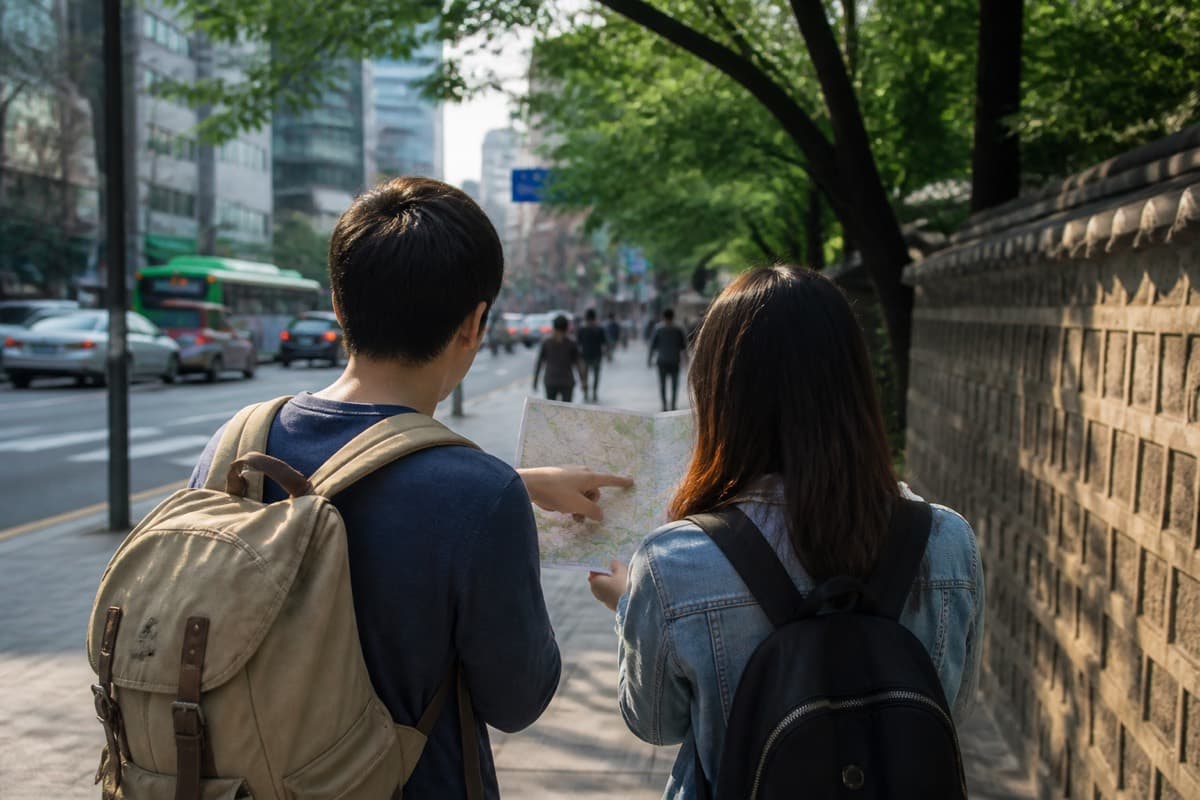
Korean Phrases for a Part-Time Job Interview in Korea


An 알바 (alba) interview in Korea is rarely a meeting. It is ten minutes at the end of a counter during a quiet hour, with the manager half watching the door, and it turns on two questions that sound identical in English and are completely different in Korean: can you work this shift, and do you know how to do this job. The SULSUL workbook splits them cleanly. Pattern 12 — -ㄹ/을 수 있어요 — is about whether something is possible for you: 주말에도 일할 수 있어요 (jumaredo ilhal su isseoyo), "I can work weekends too." Pattern 13 — -ㄹ/을 줄 알아요 — is about whether you have the skill: 포스기 쓸 줄 알아요 (poseugi sseul jul arayo), "I know how to use the till."
- Say why you're there: 면접 보러 왔어요 (myeonjeop boreo wasseoyo), "I'm here for the interview."
- Say what you can work: 주말에도 일할 수 있어요 (jumaredo ilhal su isseoyo), "I can work weekends too."
- Say what you know how to do: 포스기 쓸 줄 알아요 (poseugi sseul jul arayo), "I know how to use the till."
- Say what you can't take: 야간은 못 해요 (yaganeun mot haeyo), "I can't do the night shift."
- Close it properly: 잘 부탁드립니다 (jal butakdeurimnida), "I'd be grateful for the chance."
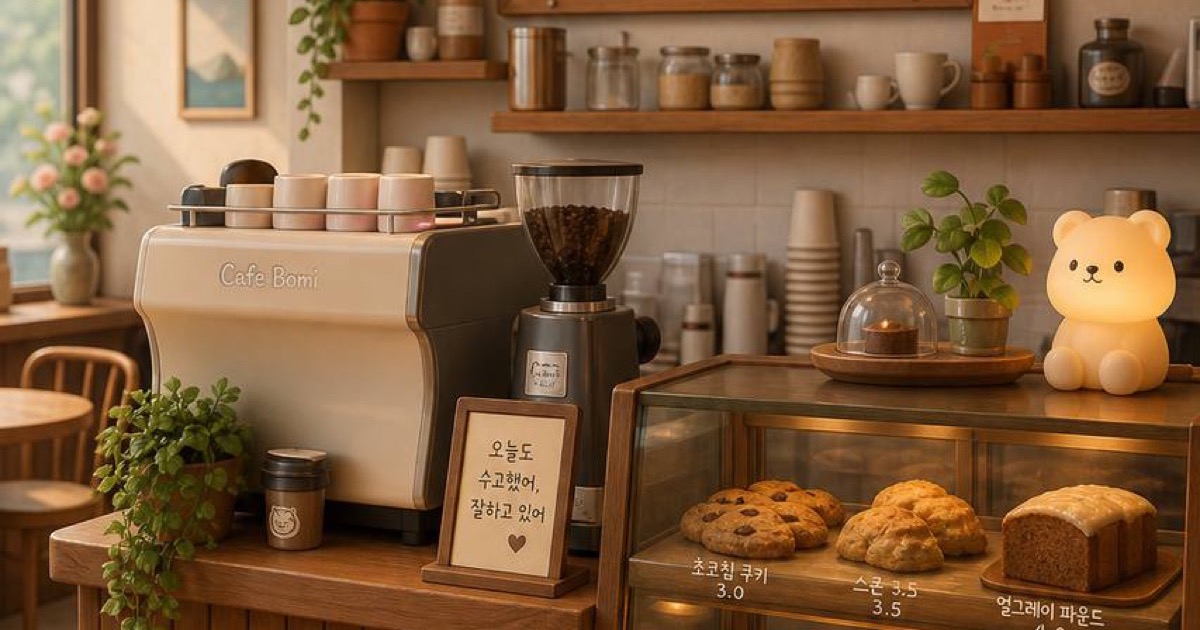
What does the manager actually ask you?
Almost every question is one of the two patterns wearing different clothes, and hearing which one you have been asked decides whether your answer sounds confident or evasive.
Them: 주말에 일할 수 있어요? — jumare ilhal su isseoyo? — "Can you work weekends?"
You: 네, 토요일하고 일요일 다 괜찮아요. — ne, toyoirhago iryoil da gwaenchanayo. — "Yes, Saturday and Sunday are both fine."
Them: 커피 만들 줄 알아요? — keopi mandeul jul arayo? — "Do you know how to make coffee?"
You: 네, 전에 카페에서 일했어요. — ne, jeone kapeeseo ilhaesseoyo. — "Yes, I worked at a cafe before."
-ㄹ/을 수 있어요 is about circumstances: your timetable, your visa, your Tuesday. -ㄹ/을 줄 알아요 is about a skill you learned once and still have. Answer a -줄 알아요? question with 할 수 있어요 and it sounds like you are dodging; answer a -수 있어요? question with 할 줄 알아요 and you have told the manager nothing about whether you are available on Tuesday. The form is straightforward — verb stem plus -ㄹ 줄 알아요 after a vowel, -을 줄 알아요 after a consonant, and the negative is 몰라요 rather than 안: 운전할 줄 몰라요 (unjeonhal jul mollayo), "I don't know how to drive."
| Situation | Say this |
|---|---|
| Arrive for the interview | 면접 보러 왔어요 (myeonjeop boreo wasseoyo) |
| Say a shift works | 주말에도 일할 수 있어요 (jumaredo ilhal su isseoyo) |
| Say you have the skill | 포스기 쓸 줄 알아요 (poseugi sseul jul arayo) |
| Say you don't yet | 아직 할 줄 몰라요 (ajik hal jul mollayo) |
| Say a shift doesn't work | 야간은 못 해요 (yaganeun mot haeyo) |

Practice this out loud with SULSUL — the app says it, you repeat it →
What do you say when the answer is no?
Most of an interview is small refusals, and the two Korean ways of saying no are not the same. 못 is "I'm unable" — the circumstance blocks it. 안 is "I don't" — a choice. 야간은 못 해요 says the night shift is impossible for you; 야간은 안 해요 says you have decided against it, which is a different sentence to hand someone who is about to hire you.
Them: 평일 아침도 가능해요? — pyeongil achimdo ganeunghaeyo? — "Are weekday mornings possible too?"
You: 아침은 수업이 있어서 못 해요. — achimeun sueobi isseoseo mot haeyo. — "I have classes in the morning, so I can't."
Them: 한국말은 좀 해요? — hangungmareun jom haeyo? — "Do you speak some Korean?"
You: 아직 잘 못하지만 배우고 있어요. — ajik jal mothajiman baeugo isseoyo. — "Not well yet, but I'm learning."
The most useful answer in the whole interview is the honest half-no, because nobody expects a new 알바생 (albasaeng) to arrive knowing the till. 아직 해 본 적은 없는데 금방 배울 수 있어요 (ajik hae bon jeogeun eomneunde geumbang baeul su isseoyo), "I haven't done it before, but I can pick it up quickly," is the sentence that keeps you in the running, and 가르쳐 주시면 열심히 하겠습니다 (gareuchyeo jusimyeon yeolsimhi hagetseumnida), "If you show me, I'll work hard at it," is how people close it. When the manager's Korean comes faster than you can follow, the repair lines are in Korean phrases for when Korean is too fast.
What usually goes wrong at a Korean part-time interview?
The first thing happens before the interview. Anyone here on a student visa needs written permission from the immigration office before working at all — the 시간제취업허가 (siganje chwieop heoga), the part-time work permit — and it comes with a weekly hour limit that depends on your visa and your course. Managers ask about it early, so 취업허가 받았어요 (chwieop heoga badasseoyo), "I have the work permit," is a sentence worth having ready; that counter is Korean phrases for the immigration office in Korea. Anywhere that handles food will also ask for a 보건증 (bogeonjeung), the health certificate issued by the local public health centre, which takes a few days to come through and cannot be sorted out on your first shift.
The second is that the interview usually has to be arranged by phone or message, because listings end with 문의 주세요 (muni juseyo), "get in touch." 알바 구하세요? (alba guhaseyo?), "Are you hiring?" and 면접 언제 가면 돼요? (myeonjeop eonje gamyeon dwaeyo?), "When should I come in for the interview?" are the two lines that turn a posting into a time and a place. Most of it happens in the tone laid out in Korean phrases for texting on KakaoTalk, where a 네! and a 감사합니다 carry more weight than the sentence around them.
The third is what you call people. The owner is 사장님 (sajangnim), the shop manager is 점장님 (jeomjangnim), and a colleague who started before you is 선배 (seonbae) regardless of age — using a name where a title belongs is the thing that lands oddly on day one, and the whole system is in how to address people in Korean. One last piece of paper matters: a 근로계약서 (geullo gyeyakseo), a written contract stating your hours and pay, is something the employer is required to give you, and 근로계약서 언제 쓸까요? (geullo gyeyakseo eonje sseulkkayo?), "When do we do the contract?" is a normal question, not a pushy one. After that the shop floor language takes over — the counter lines are in Korean phrases for a Korean convenience store, the cafe ones in how to order coffee in Korean, and the evening everyone eats together is Korean phrases for a company dinner in Korea.
Say it out loud, not just in your head
주말에도 일할 수 있어요 has to come out while the manager is still looking at you — there is no version of this where you check your phone first.
SULSUL is a speaking gym for exactly that moment: pick a survival pattern, say it out loud, get an instant fix from the AI pronunciation coach, then run the real situation as a mission. The 100-pattern PDF workbook comes along as a bonus.